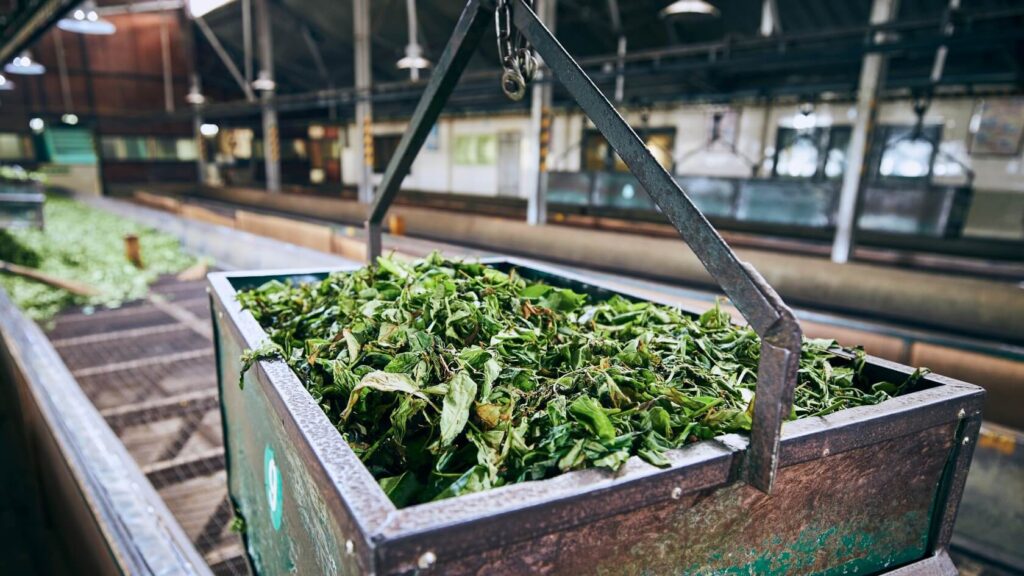
The Tea Invoice Number is the single most important detail on a packet of Darjeeling tea, yet most buyers ignore it. Standing here in the sorting room of the Castleton factory, watching the fresh stencils being painted onto plywood chests, we can tell you exactly why those letters and digits matter.
While marketing terms like “Premium” or “Gold” are often fluff, the Tea Invoice Number is a legal trace. It is the specific batch identifier assigned the moment the tea leaves the dryer and enters the sorting grade. For the true connoisseur, this number reveals the harvest time, the freshness, and the authenticity of the leaf.
What is a Tea Invoice Number?
A Tea Invoice Number is a unique alphanumeric code assigned to each batch of tea produced by a registered estate. It acts like a “fingerprint” for that specific day’s production.
In the Darjeeling district, this number typically starts with “DJ” (for Darjeeling) or the estate’s initials, followed by a sequential number that resets every year.
- DJ-1: The very first batch of the year (Early Spring/First Flush).
- DJ-500: A batch produced late in the year (Autumn Flush).
By checking the Tea Invoice Number, you are verifying that the tea is a single-origin product and not a generic blend of unknown “Himalayan” leaves.
Decoding the Code: What “DJ-1” Really Means
To buy like an expert, you must understand the timeline hidden in the Tea Invoice Number. As we transition through the seasons here in the hills, the numbers climb.
1. The “Champagne” Batches (DJ-1 to DJ-20)
If you see a low Tea Invoice Number like DJ-1, DJ-5, or EX-1, you are looking at the prized First Flush.
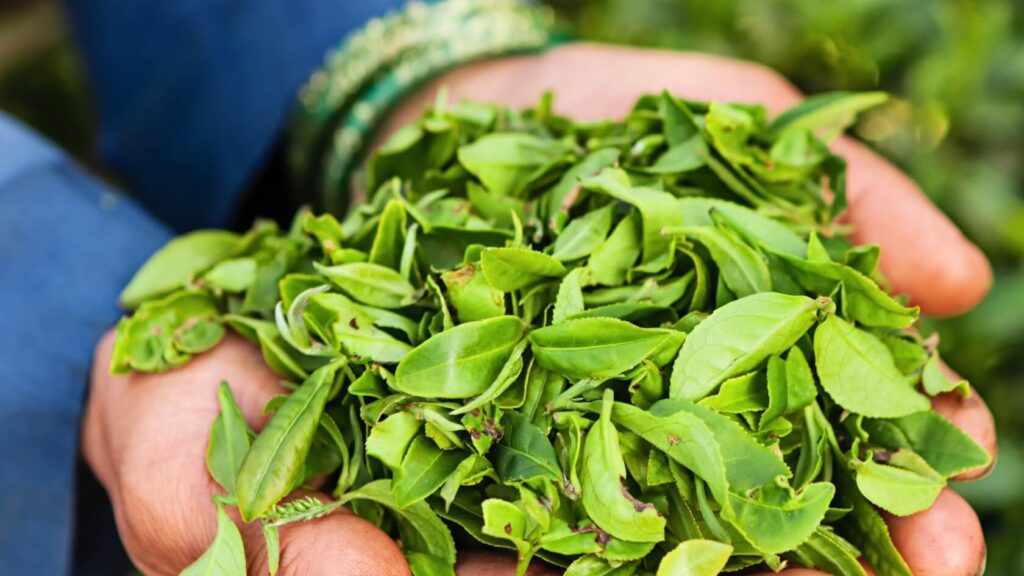
- Harvest: Late February to March.
- Profile: These are the most expensive teas, produced when the bushes awake from winter dormancy.
- Buyer’s Tip: If a seller offers a “First Flush” with a high number like DJ-150, be suspicious. That mathematically doesn’t add up.
2. The “Muscatel” Batches (DJ-80 to DJ-150)
A mid-range Tea Invoice Number usually signals the Second Flush.
- Harvest: May to June.
- Profile: This is when the legendary “Muscatel” flavor develops, often aided by the attack of the green fly (Empoasca flavescens).
Why the Tea Invoice Number Protects You
In an industry rife with adulteration, where Nepal tea is often re-exported as Darjeeling, the Tea Invoice Number is your shield.
- Traceability: This number is linked to the Tea Board of India’s export documentation. A legitimate seller should be able to tell you exactly which invoice they are selling.
- Freshness: A lower Tea Invoice Number in April means the tea is fresh. The same number in December means the tea is old and has likely lost its delicate floral top notes.
- Single Estate Guarantee: Blended teas rarely carry a specific invoice number because they are a mix of multiple batches. If you see “DJ-22,” you know it came from one garden, processed at one time.
Real-World Example: Reading a Label
Let’s practice reading a label you might find on our marketplace.
Label: Castleton Moonlight FTGFOP1 (DJ-04)
Here is what the Tea Invoice Number and details tell us:
- Estate: Castleton (Kurseong Valley).
- Grade: FTGFOP1 (Fine Tippy Golden Flowery Orange Pekoe 1).
- Invoice: DJ-04.
The Verdict: This is the 4th batch produced in the year. It is undeniably a First Flush tea, likely plucked in the first week of March. It will be light, floral, and astringent. If you prefer strong, dark tea, this Tea Invoice Number tells you to stay away!
Conclusion
Stop buying “Tea.” Start buying “Invoices.”
Just as you check the vintage on a bottle of wine, checking the Tea Invoice Number ensures you are getting the specific terroir and season you paid for. It is the primary tool we use to enforce “Radical Transparency” in the Darjeeling tea trade.
Next time you shop, ask the seller: “What is the invoice number?” If they can’t answer, it’s not authentic Darjeeling.
For more details on Geographic Indications and authenticity, you can verify registered estates on the European Commission GI Database.