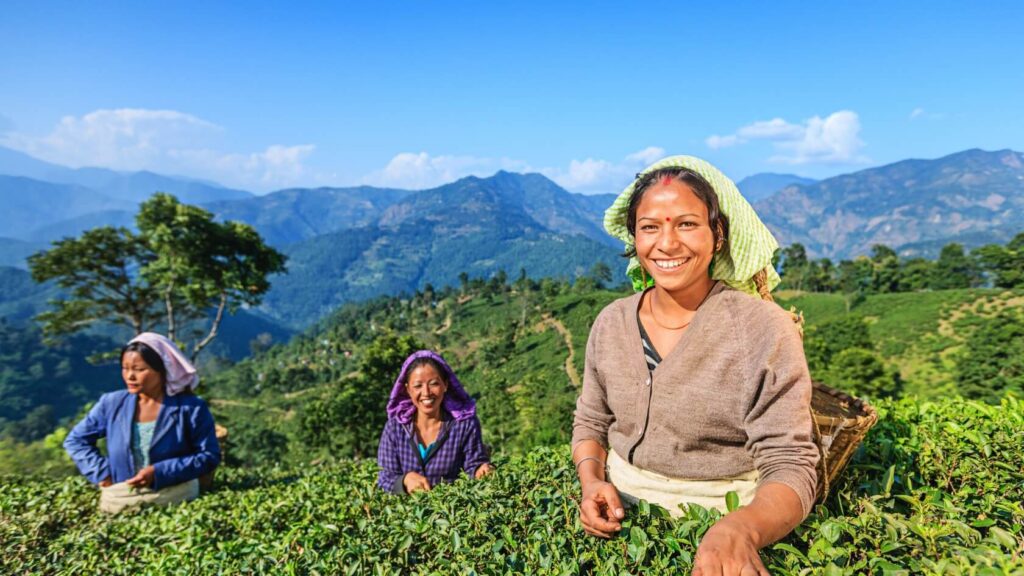
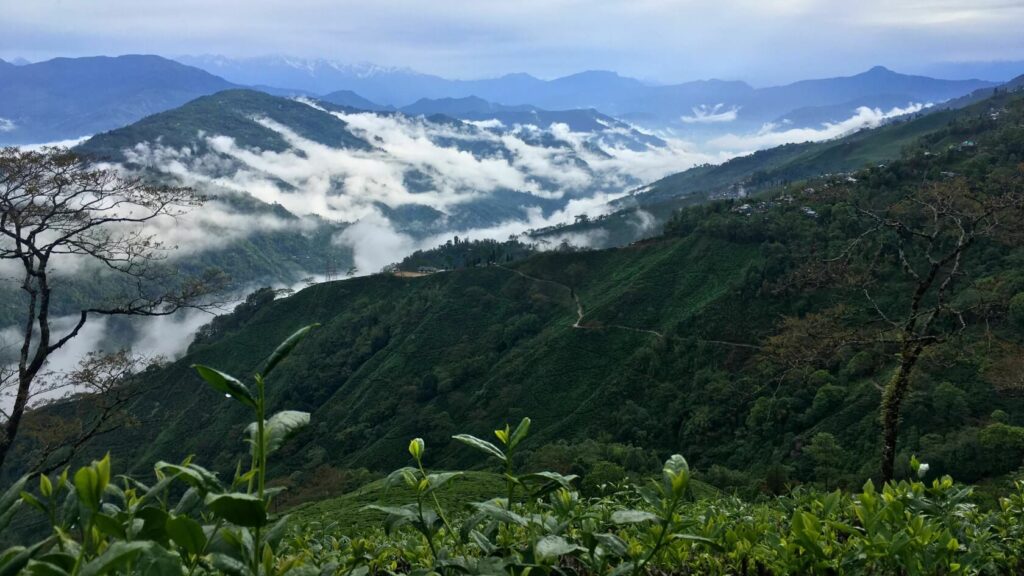
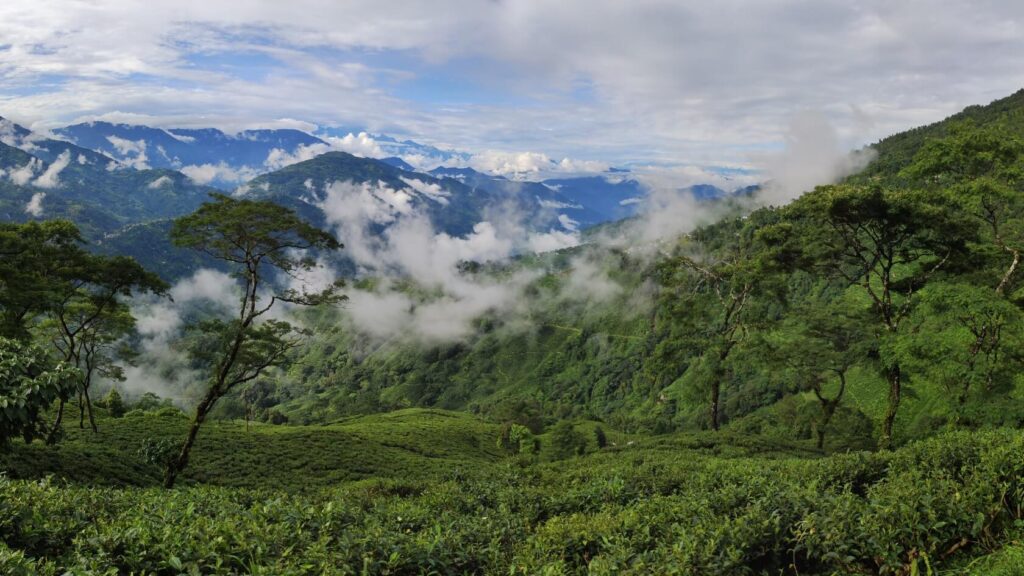
The Nepal vs Darjeeling tea debate is the most controversial topic in our industry today. Standing here in Mirik, on the western edge of the Darjeeling district, we can literally look across the valley into the Ilam district of Nepal. The mist rolls over the border without stopping for customs, and the soil composition is virtually identical.
So, is there really a difference? Or is it just a border line drawn on a map?
For the consumer, the Nepal vs Darjeeling tea question is often confusing because both are sold as “Himalayan” delicacies. However, while the botany is similar, the history, processing, and “soul” of the tea diverge significantly.
The Geographic Reality: Cousins by Nature
To understand the Nepal vs Darjeeling tea connection, you must look at the map. The Ilam district of Nepal is contiguous with the Darjeeling hills.
- Terroir: Both regions share the same high altitude (4,000–7,000 ft), the same loamy soil rich in organic matter, and the same distinct seasons1.
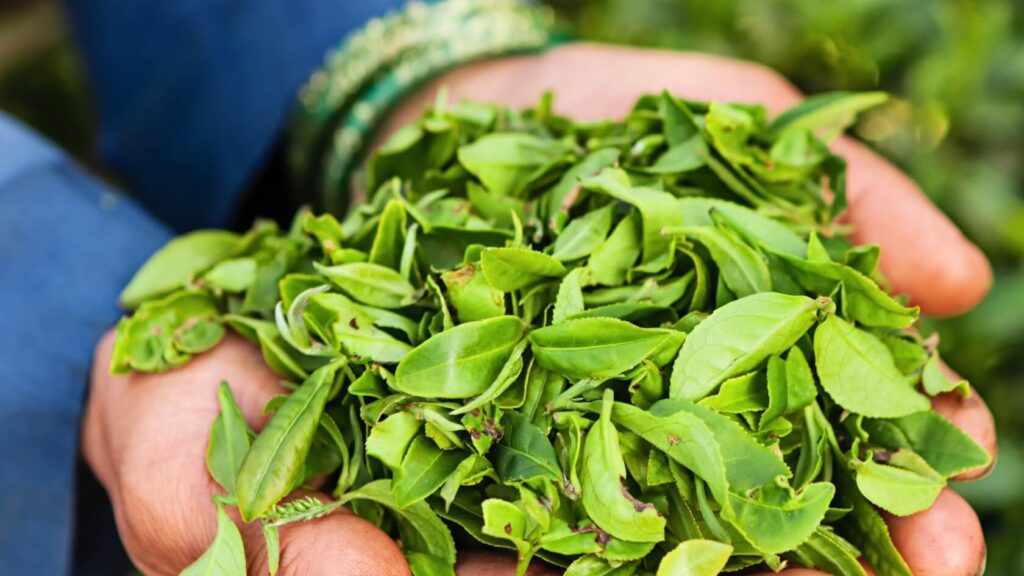
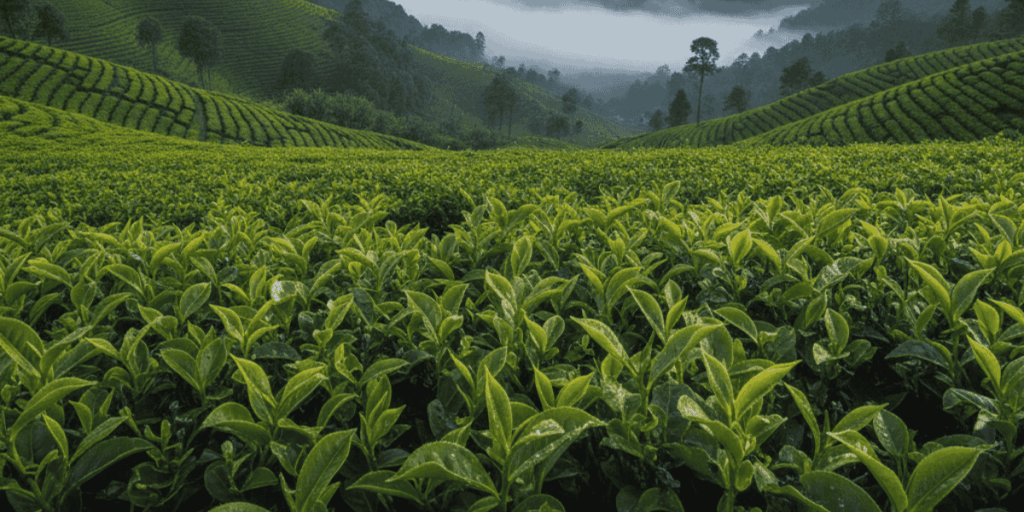
- Botany: Many Nepali gardens have planted the exact same cultivars (like the AV2 clonal) that made Darjeeling famous2.
From a purely agricultural standpoint, they are siblings. But as any winemaker knows, terroir is only half the story. The human hand makes the rest.
Nepal vs Darjeeling Tea: The Processing Split
This is where the Nepal vs Darjeeling tea paths diverge.
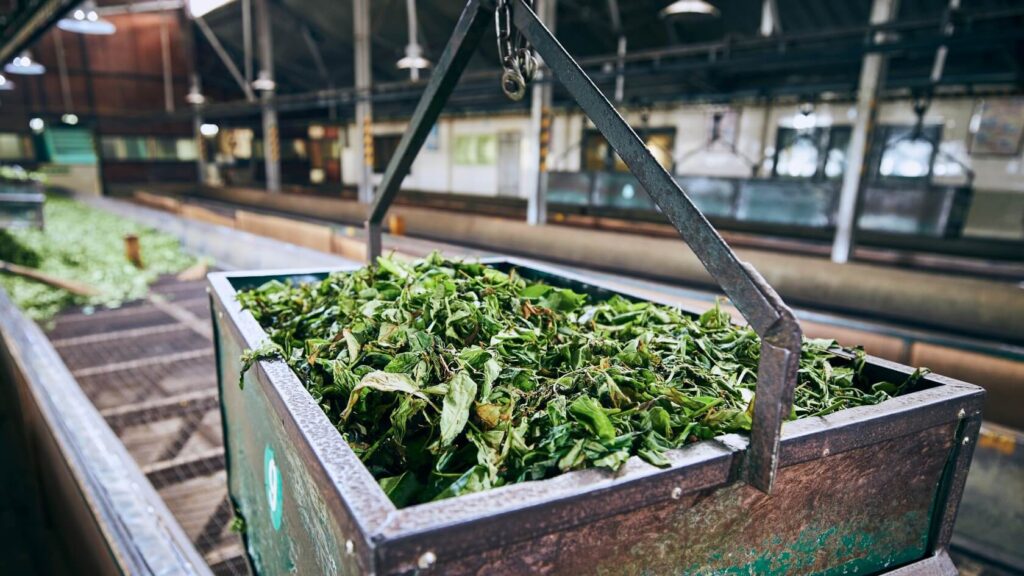
Darjeeling operates on a 150-year-old “Plantation Model.” We have large, established factories with legacy machinery and generations of know-how passed down since the British era3. The processing is highly regulated by the Tea Board of India (dofollow), ensuring a standardized “Orthodox” style.
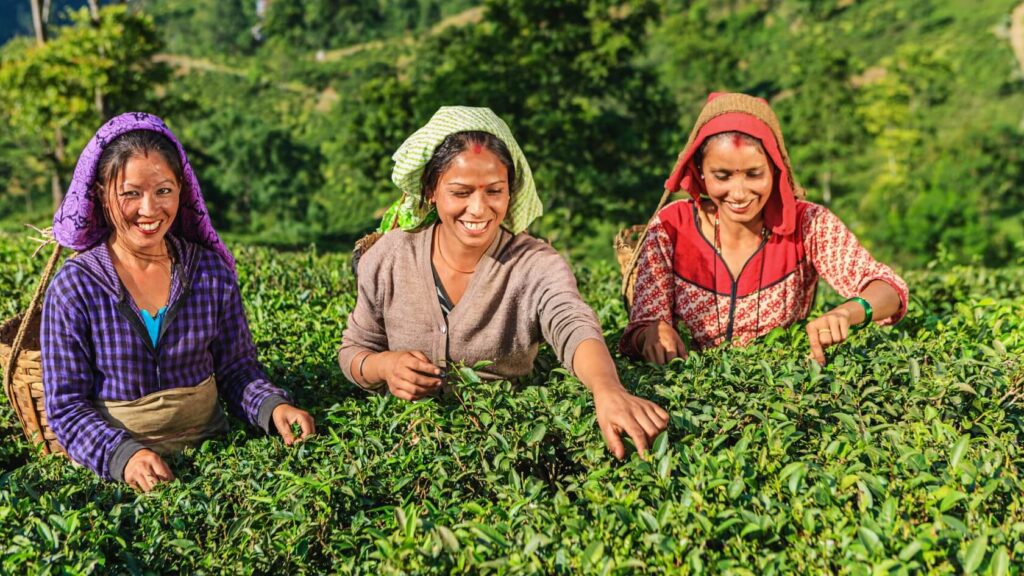
Nepal, conversely, is dominated by “Small Tea Growers.” These are independent farmers who sell green leaf to private factories. While this allows for innovation, it can lead to inconsistency. However, in recent years, Nepal has improved drastically, often hiring retired Darjeeling experts to replicate our methods4.
The Flavor Profile: Musk vs. Green
When we cup (taste) them side-by-side, the Nepal vs Darjeeling tea distinction becomes clear to the trained palate.
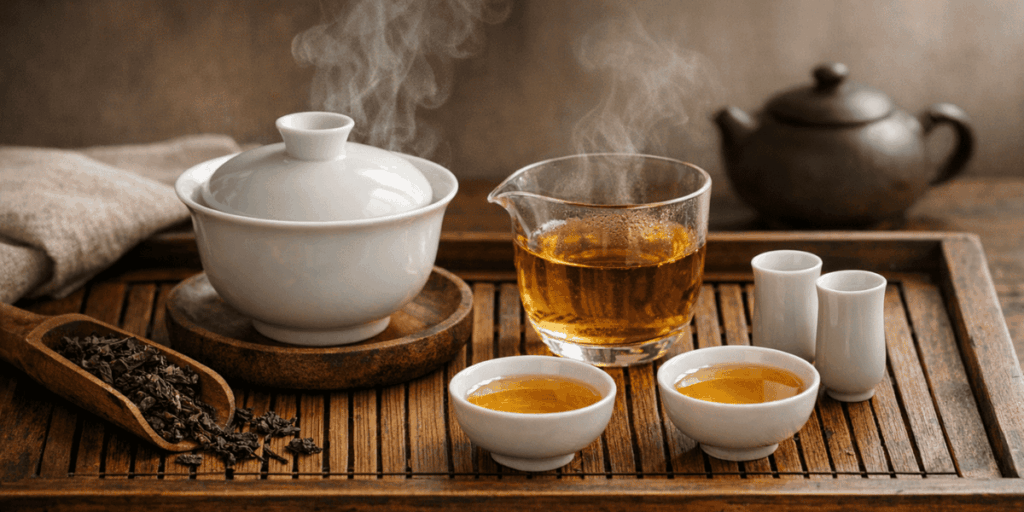
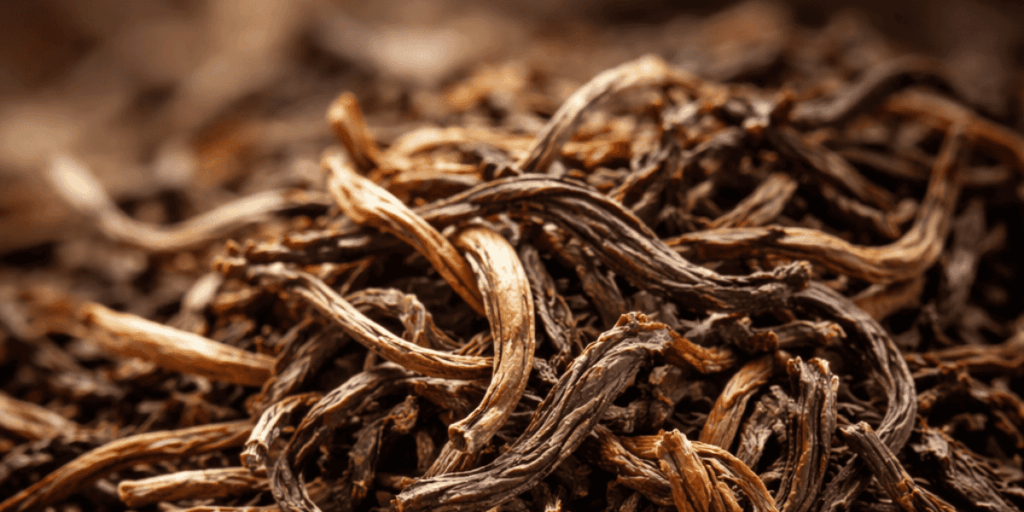
- Darjeeling Profile: Known for its “Mineral Backbone.” It has a distinct astringency (the “briskness”) and a complex, brooding character often described as “Muscatel” in the summer. It feels structured and “masculine”5555.
- Nepal Profile: Generally fruitier and more floral. It often lacks the deep mineral finish of Darjeeling but compensates with high-toned notes of spinach, fresh greens, and tropical flowers. It is often described as “younger” or “greener”6.
The “Adulteration” Crisis
We cannot discuss Nepal vs Darjeeling tea without addressing the elephant in the room: Adulteration.
Because Nepal tea is cheaper to produce (due to lower labor compliance costs), unscrupulous traders often import it duty-free into India7. They then blend it with Darjeeling and sell it as “Pure Darjeeling.”
- The Issue: The problem isn’t that Nepal tea is “bad”—it is excellent. The problem is deception.
- The Solution: This is why we insist on the Estate Invoice Number (dofollow). If your tea doesn’t have a specific estate invoice, it might be a hidden blend.
Quick Comparison Guide
Here is a snapshot of the Nepal vs Darjeeling tea differences for your next shopping trip.
| Feature | Darjeeling Tea | Nepal (Ilam) Tea |
| Primary Taste | Muscatel, Mineral, Astringent | Floral, Fruity, “Spinach-fresh” |
| Structure | Large Estates (150+ years old) | Small Farmers & New Factories |
| Cost | High (High Labor/Social Costs) | Moderate (Lower Production Costs) |
| Certification | Protected GI (Geographical Indication) | Emerging Brands |
Conclusion
Ultimately, the Nepal vs Darjeeling tea battle shouldn’t be about one being “better” than the other. They are different expressions of the Himalayas.
If you want the classic, structured, and historic taste of the “Champagne of Teas,” stick to authentic, invoice-verified Darjeeling. If you want a floral, value-for-money daily drinker, Nepal is a fantastic choice.
The key is Transparency. Whether you choose Nepal vs Darjeeling tea, ensure the label tells you exactly where it was grown.
For further reading on the legal protections of our region, visit the World Intellectual Property Organization (WIPO) (dofollow).