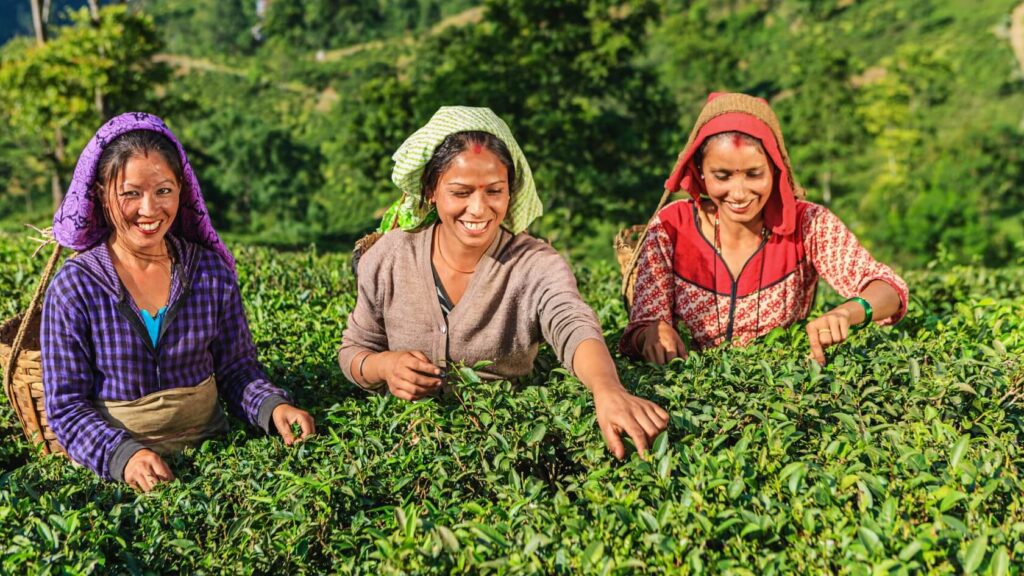
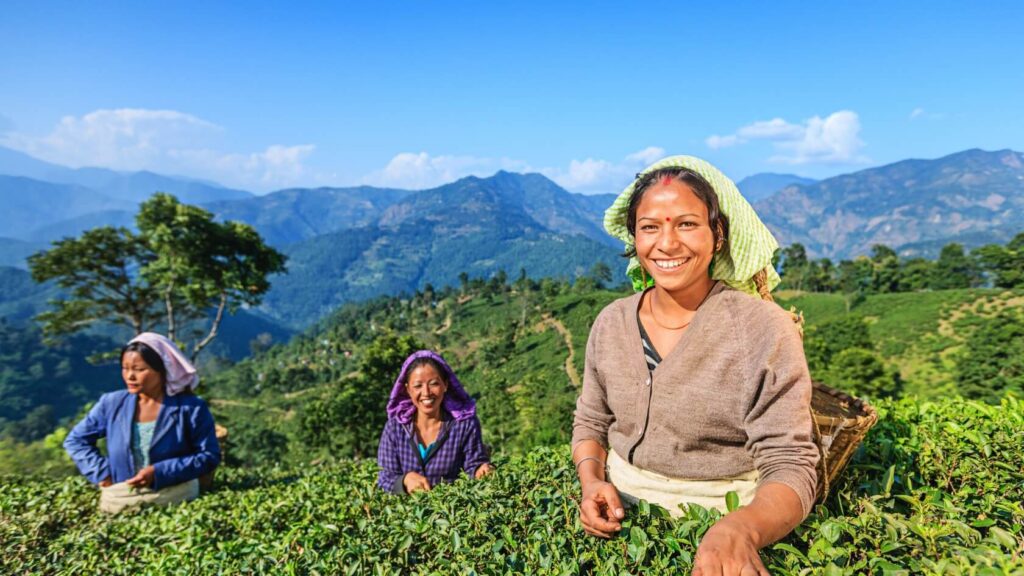
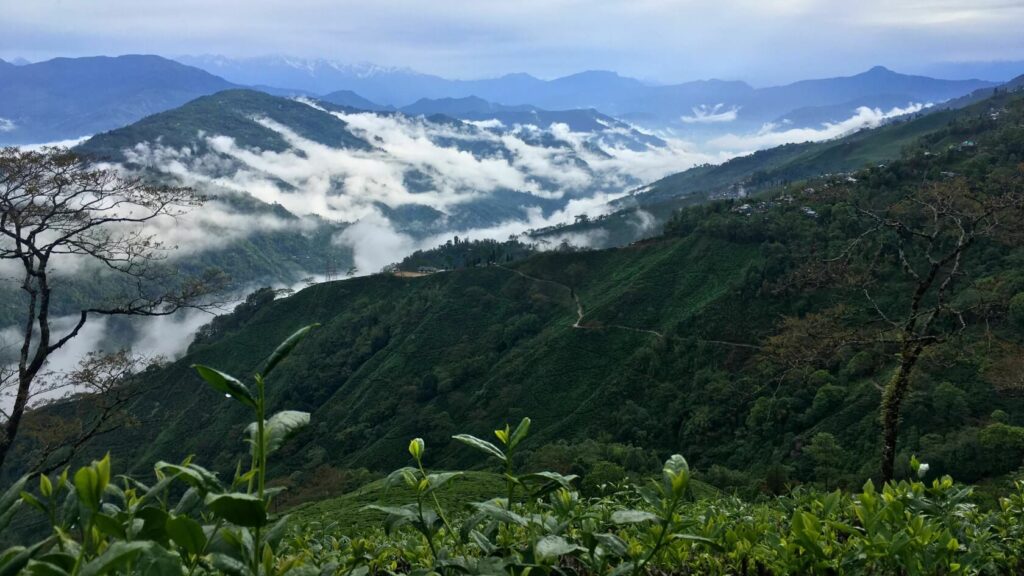
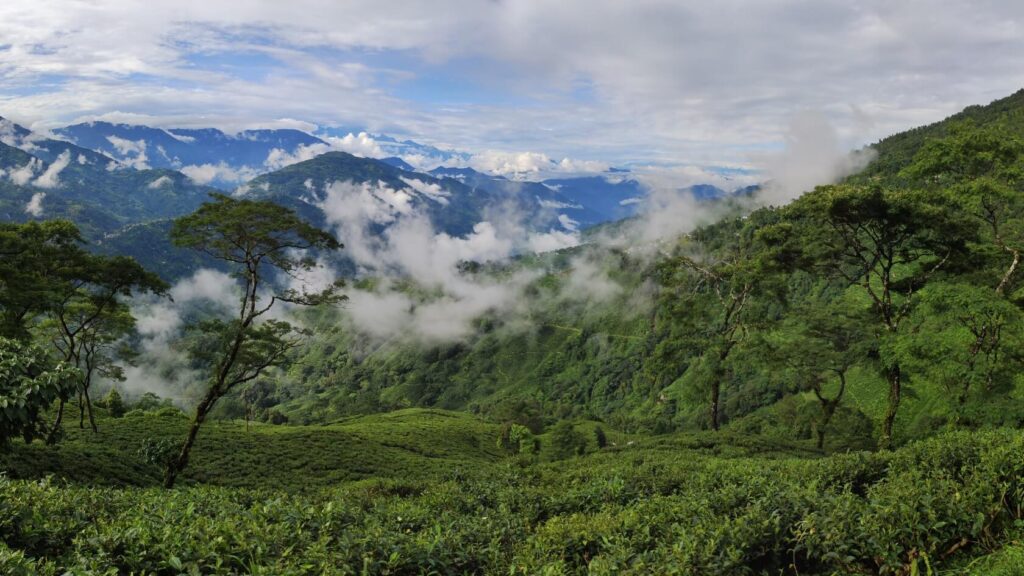
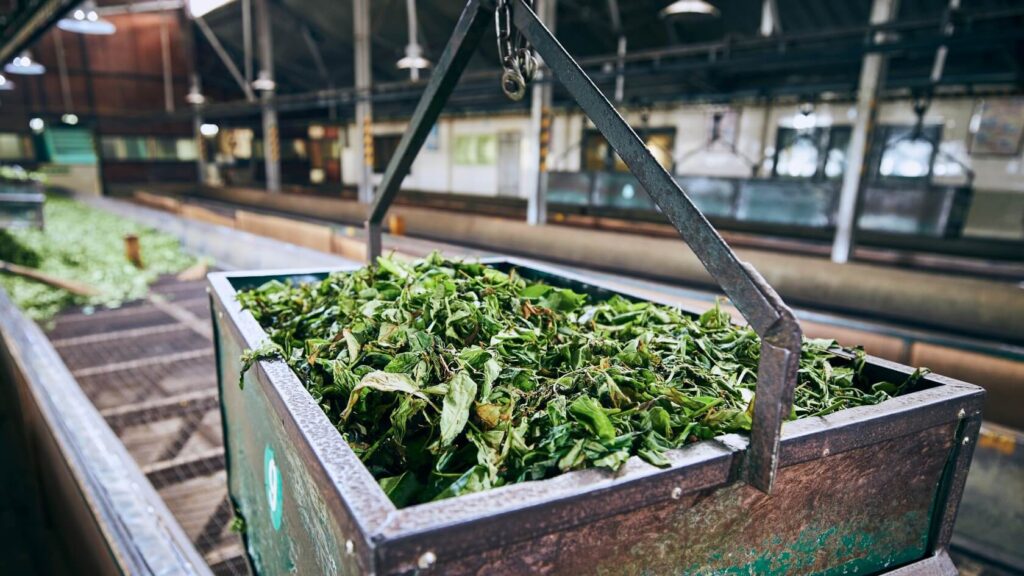
Darjeeling White Tea represents the pinnacle of orthodox manufacturing, but one name stands above the rest: Silver Tips Imperial. Standing here on the steep slopes of the Kurseong Valley, the night air feels different. It’s midnight, and while most of the district sleeps, the hills of Makaibari are alive with the flicker of tallow torches.
They aren’t just picking leaves; they are harvesting a legend. This specific Darjeeling White Tea is a semi-fermented, biodynamic masterpiece that has fetched record-breaking prices (up to $1,850/kg) and captivated connoisseurs globally. But is it magic, or is it science?
Here is the definitive guide to the “Jewel of Darjeeling,” written from the source.
What is Silver Tips Imperial?
Silver Tips Imperial is a rare, semi-fermented Darjeeling White Tea harvested exclusively on full moon nights. It is produced by the historic Makaibari Tea Estate using the prized AV2 and China Bush cultivars. Renowned for its silver-downy buds and complex floral profile, it is the crown jewel of biodynamic agriculture.
Unlike standard black teas, this Darjeeling White Tea retains the highest concentration of antioxidants because it is least processed, preserving the natural “soul” of the bush.
The “Cosmic” Science: Why Harvest on a Full Moon?
Critics often dismiss the full moon harvest as marketing folklore. However, as “Third Wave” tea educators, we look at the botany. The logic follows the principles of Biodynamic Agriculture, which views the estate as a living organism.
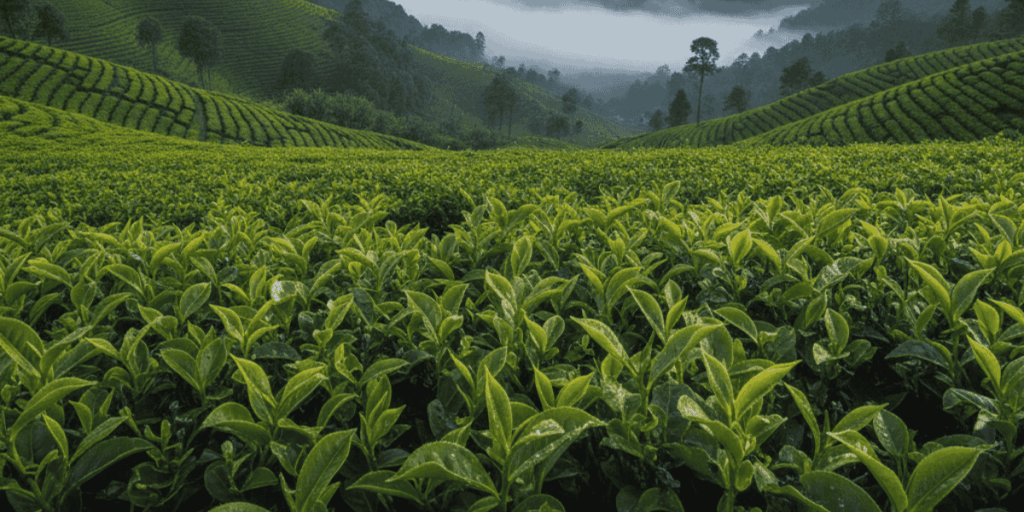
- Fluid Dynamics & Tides: Just as the moon’s gravitational pull dictates ocean tides, it influences the water content within plants. During the full moon, the “high tide” effect draws moisture and soluble solids (flavor compounds) up from the root system into the apical buds—the essential raw material for premium Darjeeling White Tea.
- The Oxygen Factor: High-altitude agronomy suggests that atmospheric pressure shifts during these celestial alignments. This creates a “metabolic stress” on the Camellia sinensis bush, forcing it to concentrate defensive compounds in the tip.
When you drink this Darjeeling White Tea, you aren’t just tasting leaf juice; you are tasting a concentrated “sap” event that happens only 4-5 times a year.
The Process: A Race Against the Sun
The production of this luxury Darjeeling White Tea is a logistical tightrope walk.
- The Window: Plucking begins exactly at 12:01 AM and must finish by 3:00 AM.
- The Light: Electric lights are forbidden. The tea is plucked by the light of hand-held tallow torches to prevent “light shock” to the sensitive trichomes (silver hairs).
- The Processing: The leaf must be processed before sunrise. Sunlight triggers rapid photosynthesis and oxidation, which would destroy the delicate “Moonlight” character of this Darjeeling White Tea.
Estate Insight: “The goal is to capture the dormancy of the night. If the sun hits the leaf, the flavor changes from ‘floral’ to ‘vegetal’. We are preserving a moment in time.” — Makaibari Factory Manager
Tasting Notes: Drinking the Moonlight
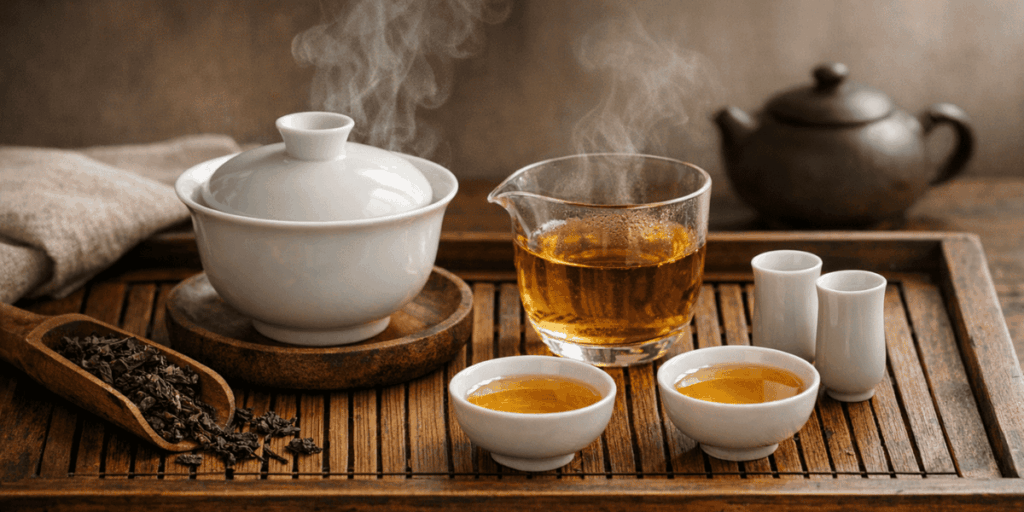
If you are lucky enough to secure a few grams of this Darjeeling White Tea, do not expect a strong “morning cuppa.” This is a tea for contemplation.
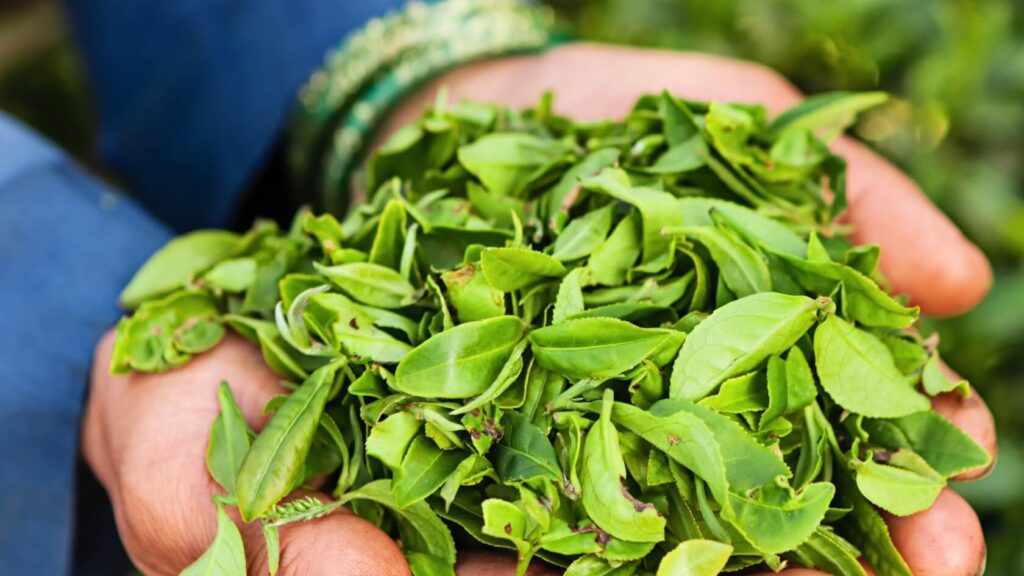
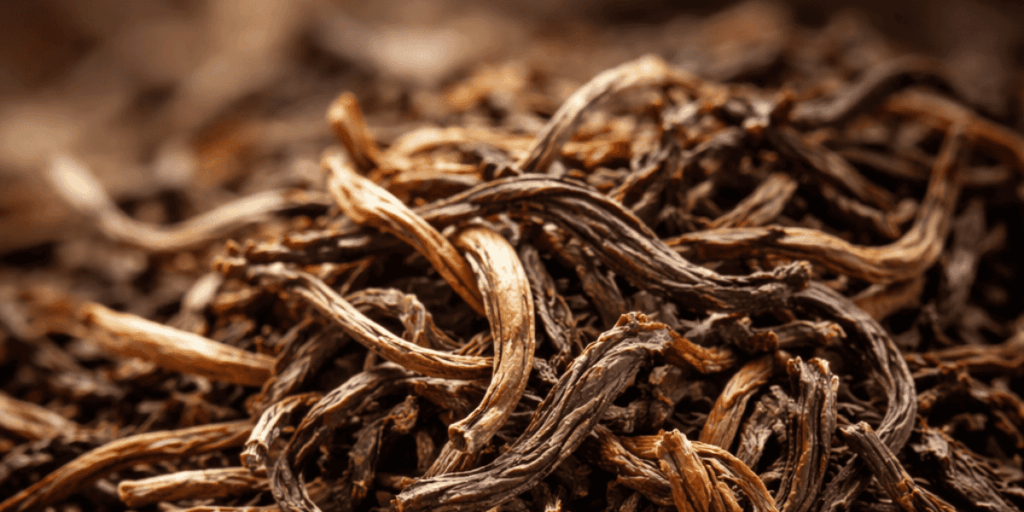
- Visual: The dry leaf looks like silver needles, covered in a fine white down.
- Aroma: Unmistakable notes of mango, frangipani, and wet white wood.
- Palate: It defies bitterness. Expect a silky texture with a lingering sweetness of wild honey and a “muscatel” echo.
How to Brew Darjeeling White Tea
This tea is delicate. Boiling water will “cook” the leaf and kill the complexity. Follow this expert method to respect the leaf:
- Step 1: Use Soft Water (TDS 30–60 ppm). Hard water will mask the floral top notes.
- Step 2: Heat water to 80°C – 85°C (176°F – 185°F).
- Step 3: Use a high leaf-to-water ratio (2.5g per 200ml).
- Step 4: Steep for 4 to 5 minutes. Cover the lid to trap the volatile aromatic oils.
- Step 5: Sip it plain. No milk. No sugar.
Conclusion
The Darjeeling White Tea known as Silver Tips Imperial represents the future of our district. It proves that when we combine ancient wisdom with rigorous processing standards, our hills can produce a luxury asset that rivals the finest wines of Bordeaux.
It is expensive, yes. But you are paying for the terroir, the labor of the night harvest, and the science of the moon.
To ensure you are buying authentic Darjeeling White Tea, always check for the Tea Board of India’s certification logo and the specific Estate Invoice number.