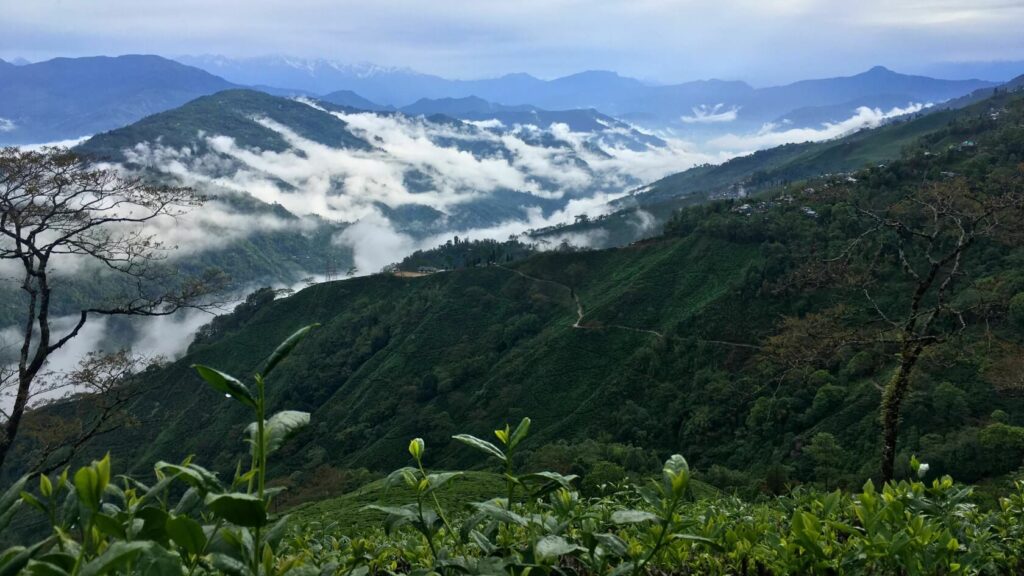
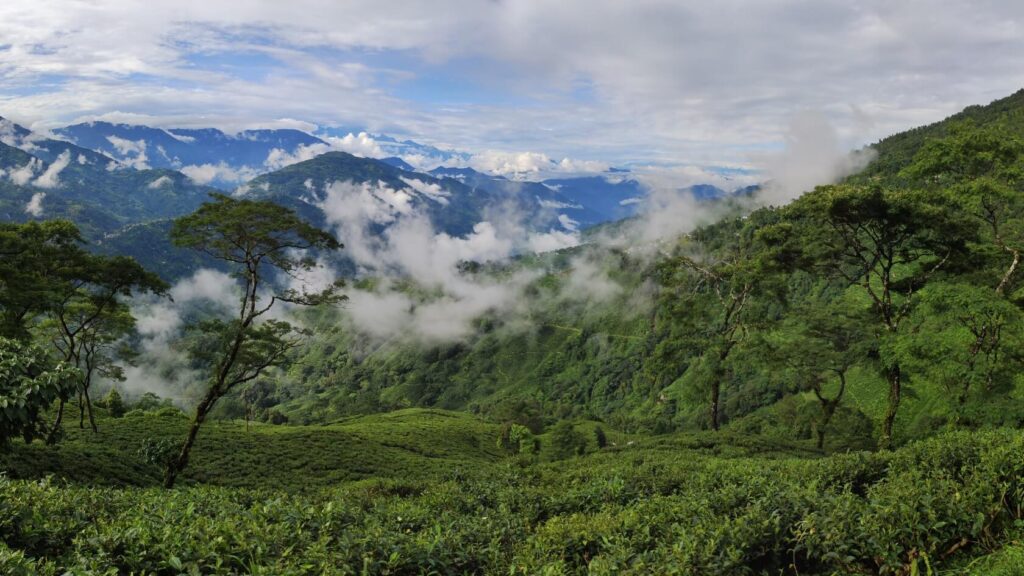
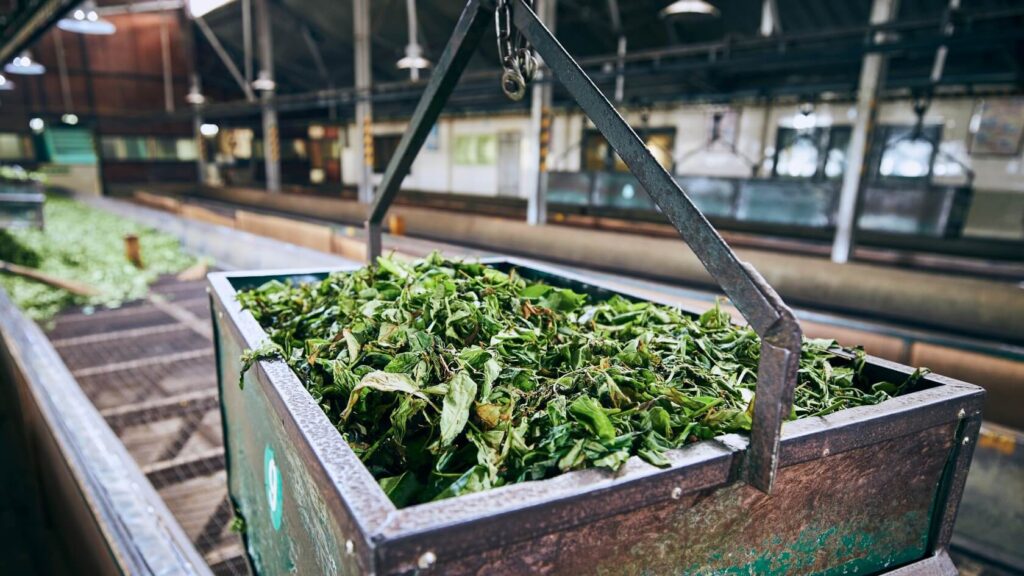
The Tea Oxidation Process is the single most critical moment in the life of a Darjeeling leaf. Standing here in the cool, humid fermentation room of the Puttabong Tea Estate, the air is thick with a scent that changes by the minute—shifting from fresh cut grass to ripe apples, and finally to wild flowers.
If the soil provides the character, the Tea Oxidation Process provides the soul. It is the difference between a grassy Green Tea and a fruity Black Tea. But what exactly happens on those tiled floors?
What is the Tea Oxidation Process?
The Tea Oxidation Process (often traditionally called “fermentation”) is an enzymatic reaction. It is the same science that turns a sliced apple brown when left on a kitchen counter.
In tea, when the cells are ruptured, oxygen mixes with the leaf’s juices. This activates an enzyme called Polyphenol Oxidase. This enzyme begins to break down the natural catechins (antioxidants) and transforms them into new compounds:
- Theaflavins: Responsible for the briskness and bright golden color.
- Thearubigins: Responsible for the depth, body, and reddish color.
Without the Tea Oxidation Process, Darjeeling tea would lack its famous “Muscatel” or “Stone Fruit” notes.
The Science: Breaking the Cell Wall
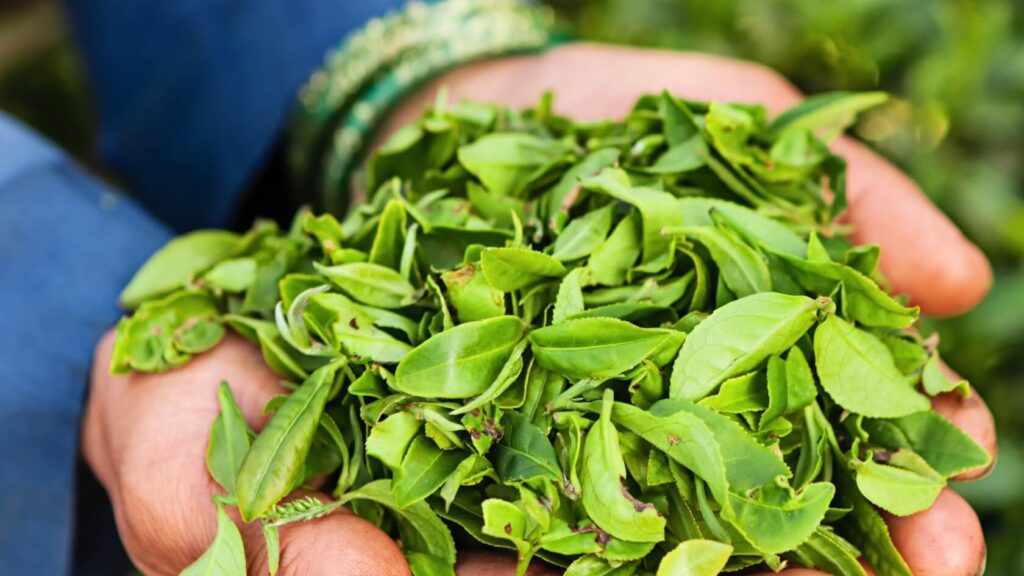
Before the Tea Oxidation Process can begin, we must break the leaf. This happens in the “Rolling” stage.
The withered leaves are twisted in large brass-table rollers. This pressure ruptures the cell walls, forcing the sap to the surface. This wet, twisted leaf mass is called “Dhool.” The moment the Dhool is exposed to air, the clock starts.
The Stages: Green to Copper to Black
As the Tea Oxidation Process progresses, the leaf undergoes a dramatic visual transformation.
- Stage 1 (Green): The leaf is raw. It smells like vegetables.
- Stage 2 (Light Copper): This is where First Flush teas are stopped. The aroma turns floral and peachy.
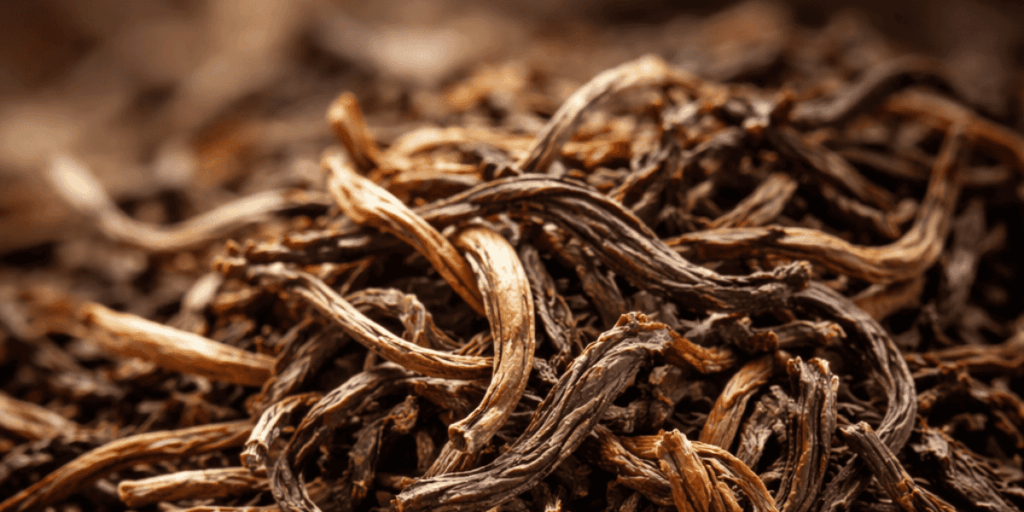
- Stage 3 (Deep Copper): The target for Second Flush. The leaf smells like ripe fruit and cocoa. The famous “Muscatel” flavor (chemically linked to terpene compounds) is locked in here.
- Stage 4 (Black/Brown): Over-oxidized. The tea becomes flat and dull.
The “Nose” of the Tea Maker
You cannot automate the Tea Oxidation Process. There is no timer that says “Stop at 45 minutes.” It depends entirely on the ambient temperature and humidity of the Himalayas that day.
The Estate Manager or “Tea Maker” walks the rows of fermenting trays, burying their nose into the Dhool. They are looking for the “Peak”—the exact second the grassy smell vanishes and the sweet floral nose arrives.
- Too Early: The tea will be raw and bitter.
- Too Late: The tea will be “soft” and lack character.
Once the nose confirms the peak, the leaves are rushed to the dryer (firing) to stop the Tea Oxidation Process instantly with hot air (230°F+).
Why Darjeeling Does It Differently
Darjeeling is unique because we often practice “Hard Wither, Light Oxidation,” especially for the spring harvest.
- First Flush: We deliberately cut the Tea Oxidation Process short. This preserves the green-ish color and the fresh, floral “Champagne” profile. This is why a First Flush looks different from a deeply oxidized Assam tea.
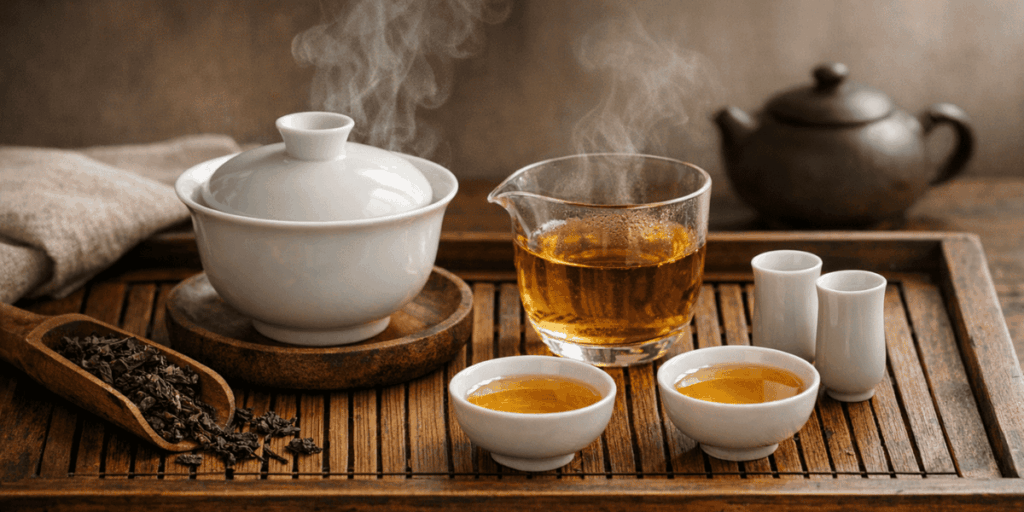
- Second Flush: We allow the Tea Oxidation Process to go further, developing the amber liquor and the full-bodied “wine” taste.
Conclusion
The next time you brew a cup, look at the wet leaves (the infusion). If they are a bright, lively copper, you know the Tea Oxidation Process was handled by a master. If they are dull and black, the tea was likely over-cooked.
Understanding this process allows you to appreciate the “Living Craft” of our estates.
To learn more about the chemistry of tea manufacturing, you can visit the Tea Research Association (dofollow) or explore the regulations on the Tea Board of India (dofollow) website.