Biodynamic Tea Farming: Beyond Organic
Biodynamic Tea Farming is the most misunderstood practice in the Himalayas.
While organic farming tells you what you cannot do (no chemicals, no pesticides), Biodynamic Tea Farming tells you what you must do to heal the earth.
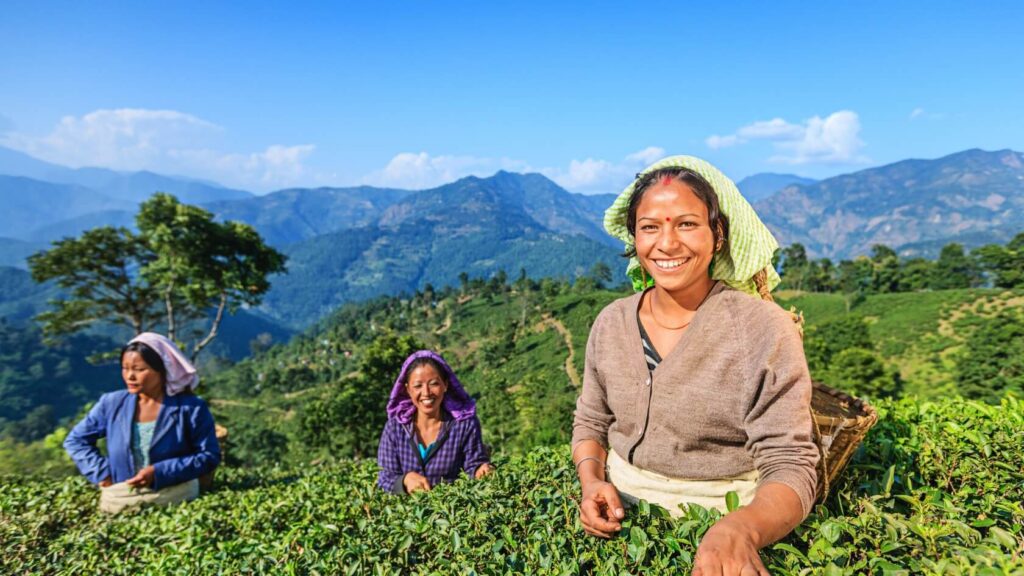
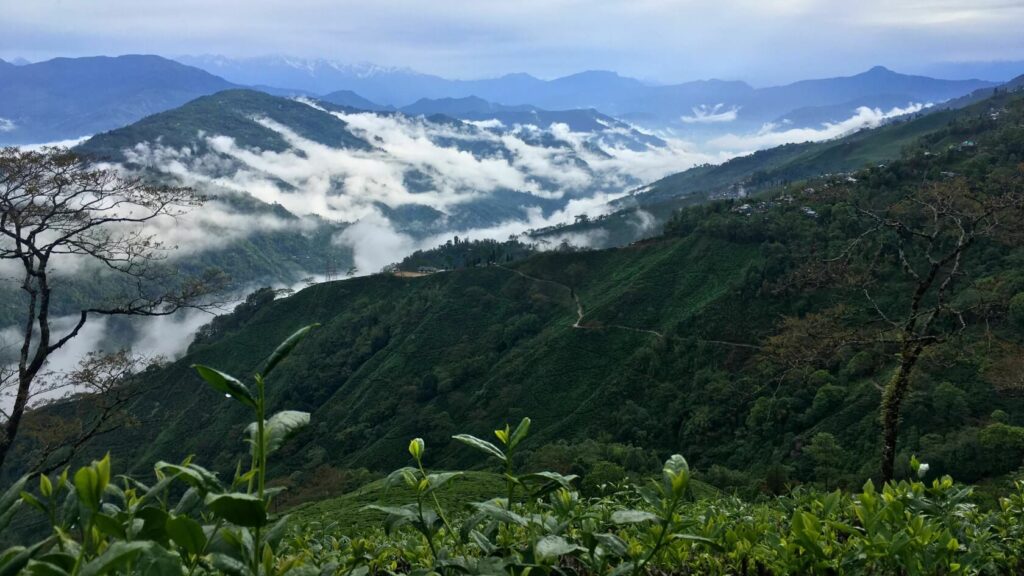
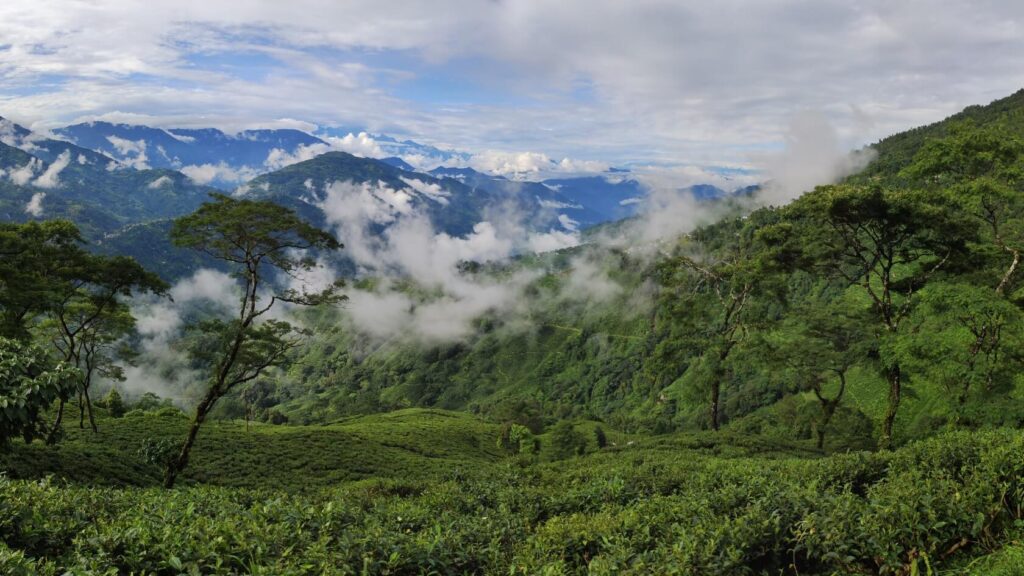
Here in Darjeeling, estates like Makaibari and Ambootia follow the philosophy of Dr. Rudolf Steiner. The goal is to treat the tea estate not as a factory, but as a self-sustaining living organism. The soil, the plants, the animals, and the cosmos are all connected. It is “Third Wave” tea at its most spiritual—and its most scientific.
The Cow Horns (Preparation 500)
The most famous aspect of Biodynamic Tea Farming is “Preparation 500.”
To the outsider, it looks strange. We take a hollow cow horn, fill it with cow manure, and bury it in the soil during the winter. Why?
It is about concentrating microbial life.
- Incubation: The horn acts as a natural incubator. During winter, the manure transforms into rich, dark humus teeming with millions of beneficial bacteria.
- Broadcasting: In the spring, we dig up the horns. A tiny amount of this humus is stirred into water (creating a vortex) and sprayed over the Biodynamic Tea Farming plots.
This isn’t magic; it is a powerful soil inoculant that increases root depth and water retention.
Farming by the Moon: The Cosmic Calendar
In Biodynamic Tea Farming, we do not look at the clock; we look at the sky.
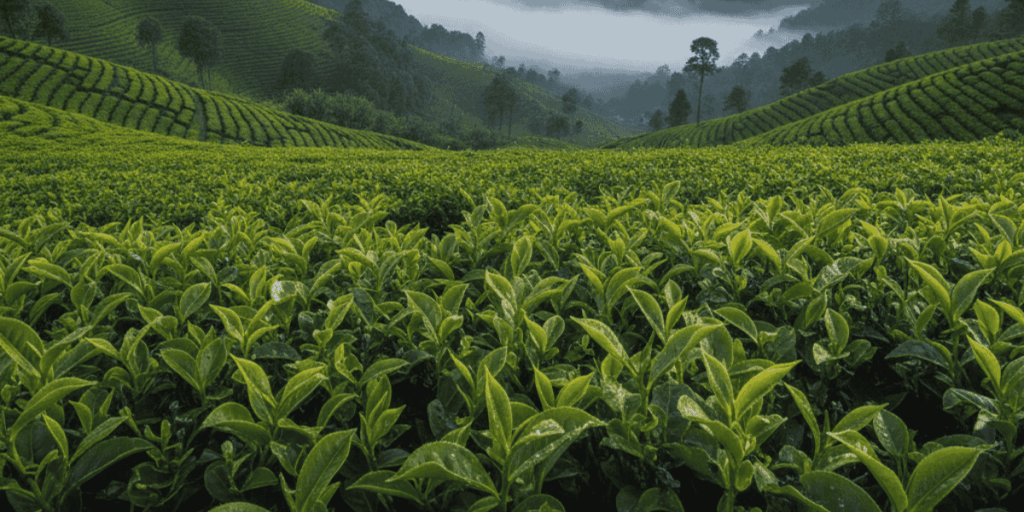
Just as the moon controls the ocean tides, it influences the sap flow in the Camellia sinensis bush.
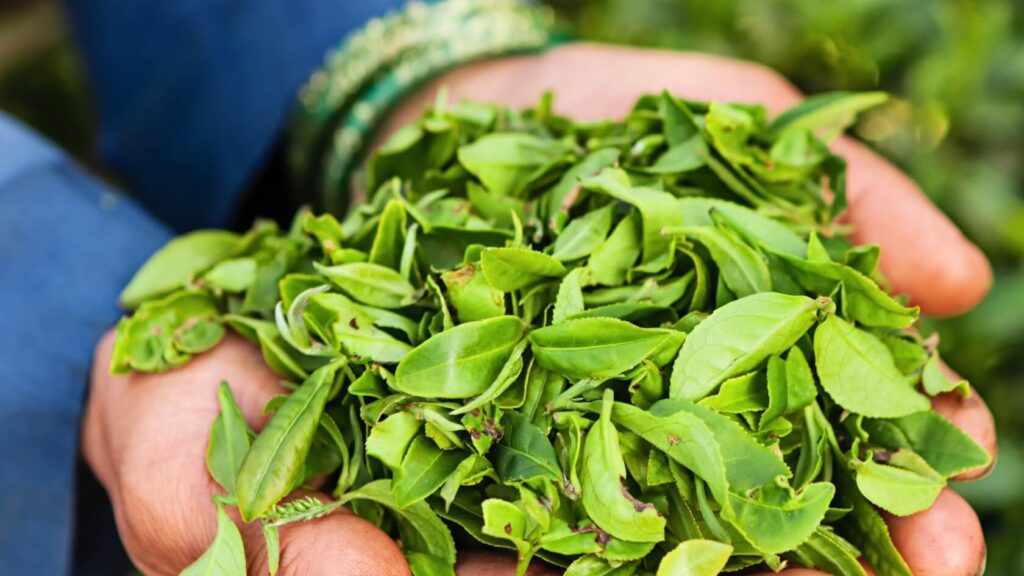
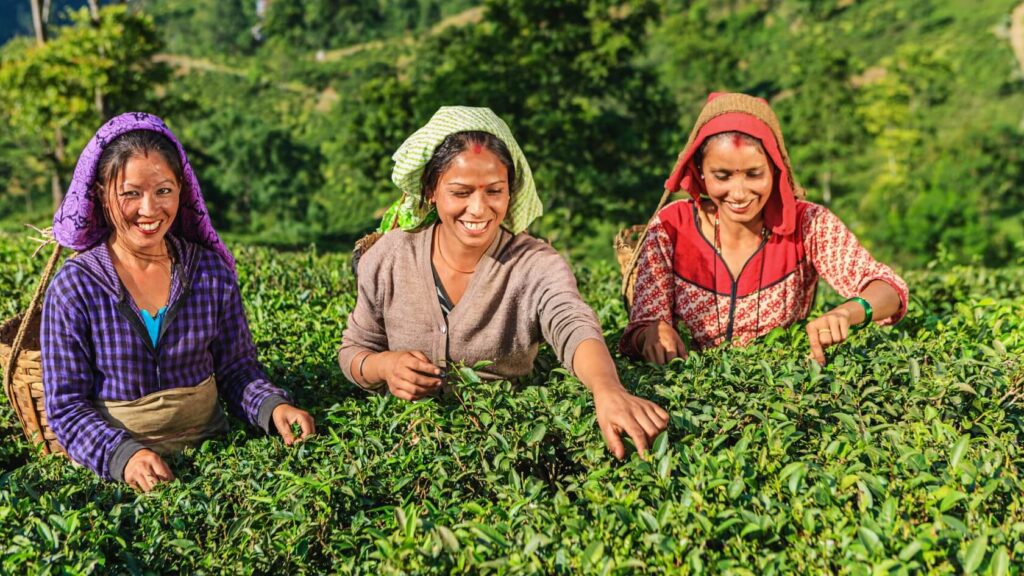
- Full Moon: The gravitational pull draws moisture and nutrients up into the leaves. This is the time to pluck. The “Silver Tips” harvested during a full moon are believed to be more aromatic and potent.
- New Moon: The energy moves down into the roots. This is the time for planting or transplanting.
By aligning our harvest with these cosmic rhythms, we ensure the leaf is at its peak physiological state before it even reaches the factory.
Does It Actually Taste Better?
Does Biodynamic Tea Farming truly impact the cup? The market says yes.
Biodynamic teas, like the legendary “Silver Tips Imperial,” consistently fetch the highest prices at auction. Because the soil is alive (and not deadened by NPK fertilizers), the tea bushes have to work harder to find nutrients. This struggle creates “metabolic stress,” which results in:
- Higher Antioxidants: More concentrated polyphenols.
- Terroir-Driven Flavor: A clear taste of the mineral-rich soil (gneiss and schist).
- Longevity: These teas often age better than their conventional counterparts.
FAQs: Understanding the Method
What is the difference between organic and biodynamic tea? While organic avoids chemicals, Biodynamic Tea Farming actively restores the soil using preparations and cosmic rhythms. All biodynamic tea is organic, but not all organic tea is biodynamic.
Which Darjeeling estates are biodynamic? Makaibari was the world’s first, followed by estates like Ambootia and Seeyok.
Is biodynamic farming scientific? Yes. While the methods seem esoteric, the result is soil with higher organic carbon content and better microbial diversity, which is scientifically measurable.
Why are cow horns used specifically? In Biodynamic Tea Farming, the cow horn is believed to prevent the loss of ethereal energies, acting as a perfect vessel for fermentation underground.
External References for Further Reading: