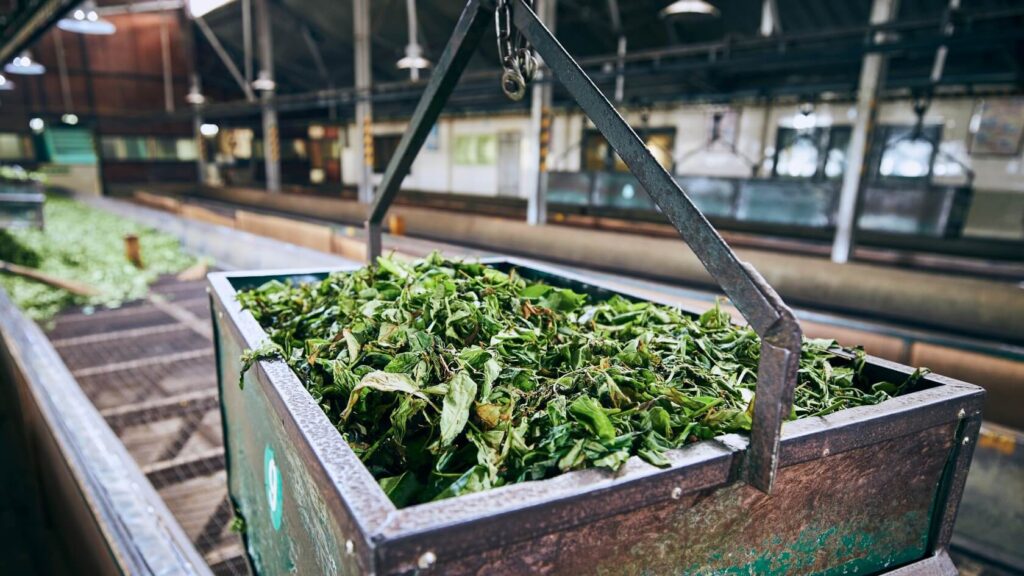
AV2 Tea Clone: The “Diva” of Darjeeling
The AV2 Tea Clone is the unacknowledged hero of the modern tea industry. If you have ever tasted a “Moonlight” white tea that tasted like mangoes and milk, you were likely drinking AV2.
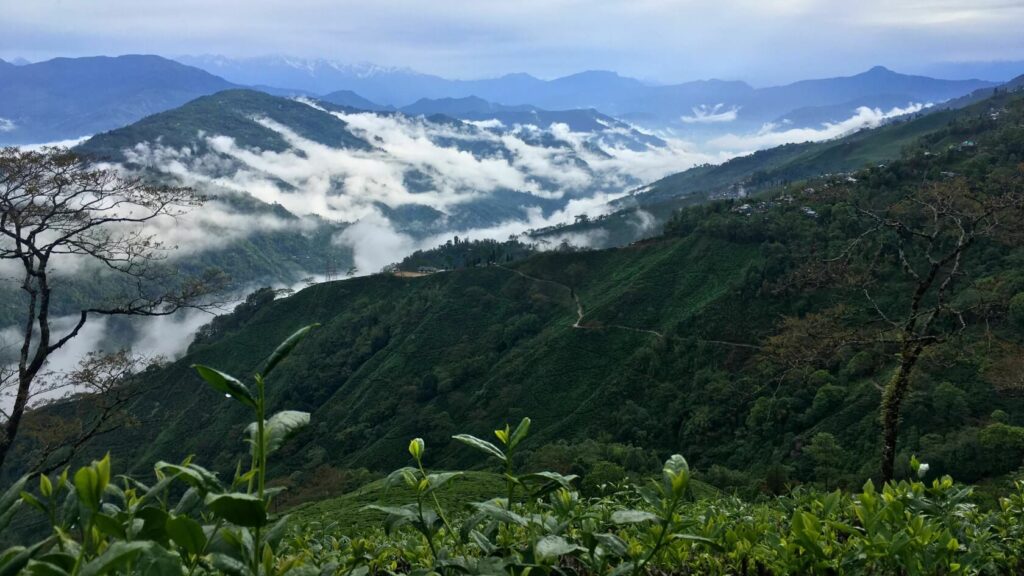
In the old days, Darjeeling was dominated by the “China Bush” (grown from seeds). While the China Bush provides the classic muscatel backbone, the AV2 Tea Clone provides the perfume.
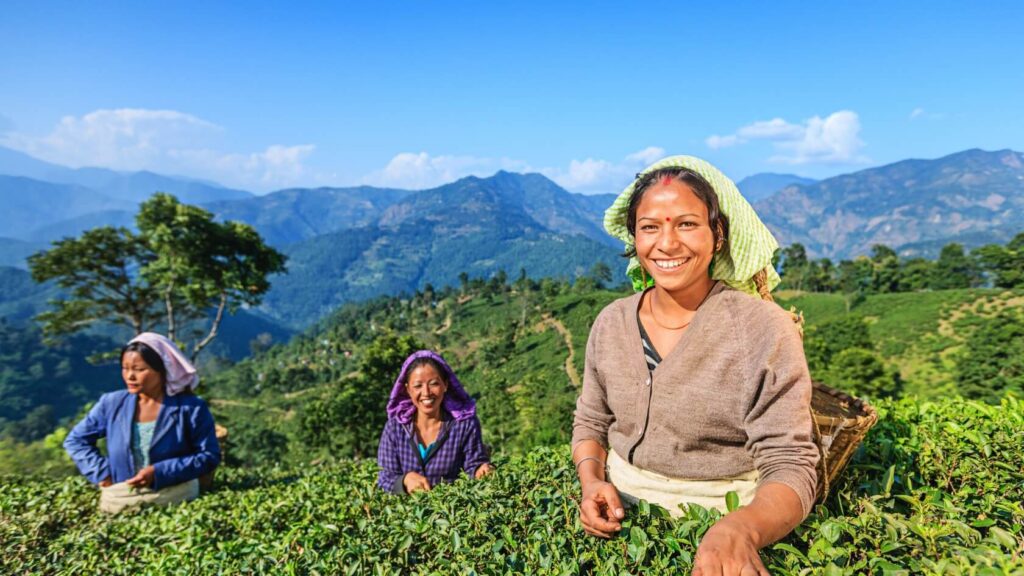
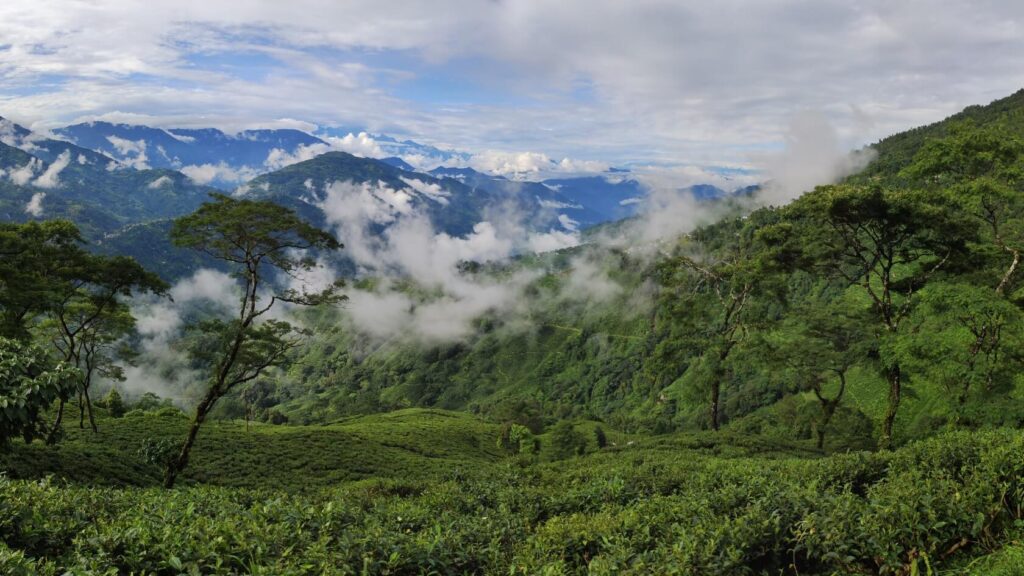
Here in the hills, we call it the “Diva.” It is high-maintenance and prone to dying if the weather turns too dry. Yet, estates like Castleton, Rohini, and Gopaldhara have dedicated their prime slopes to it. Why? Because when the AV2 Tea Clone flourishes, it produces the longest, silveriest tips in the world.
What Does AV2 Stand For?
To understand the AV2 Tea Clone, we must look at the science. “AV2” stands for Ambari Vegetative 2.
It was released in 1949 by the Tocklai Research Association (TRA). It was selected from a specific population of tea bushes in the Ambari estate in the Dooars region, though it found its spiritual home here in the high elevation of Darjeeling.
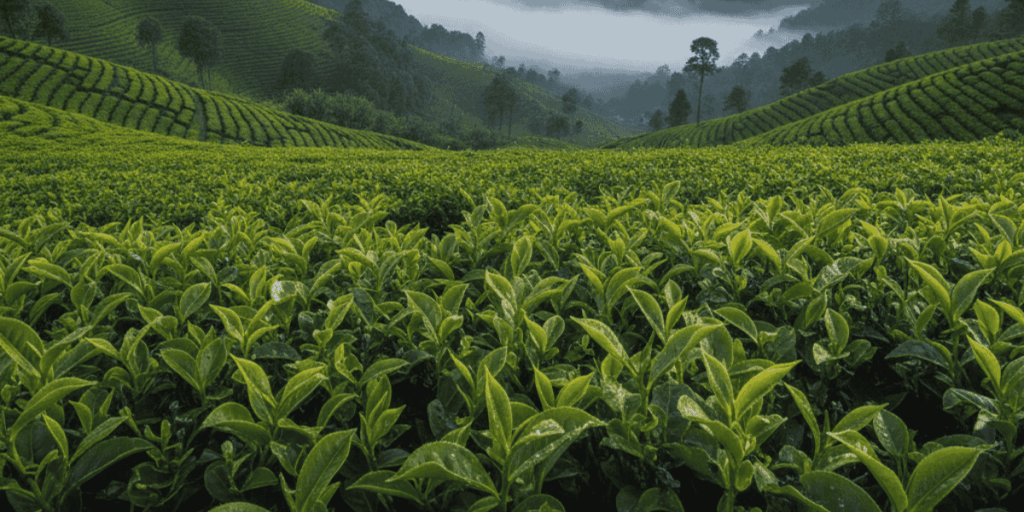
Unlike “seed” tea (which has a deep taproot), the AV2 Tea Clone is propagated by cuttings. Every single AV2 bush in Darjeeling is genetically identical to that first mother bush found in 1949. This ensures consistency. While seed tea is a mix of flavors, the AV2 offers a reliable, explosive floral bouquet every single time.
The Flavor Profile: Why It Costs $500
Why do connoisseurs pay premium prices for invoices marked “Clonal”?
The AV2 Tea Clone has a distinct chemical signature. It is rich in linalool and geraniol—compounds that human senses perceive as flowery and fruity.
When processed as a White Tea or a specialized First Flush, the AV2 Tea Clone delivers:
- Texture: Creamy and thick (often described as “brothy”).
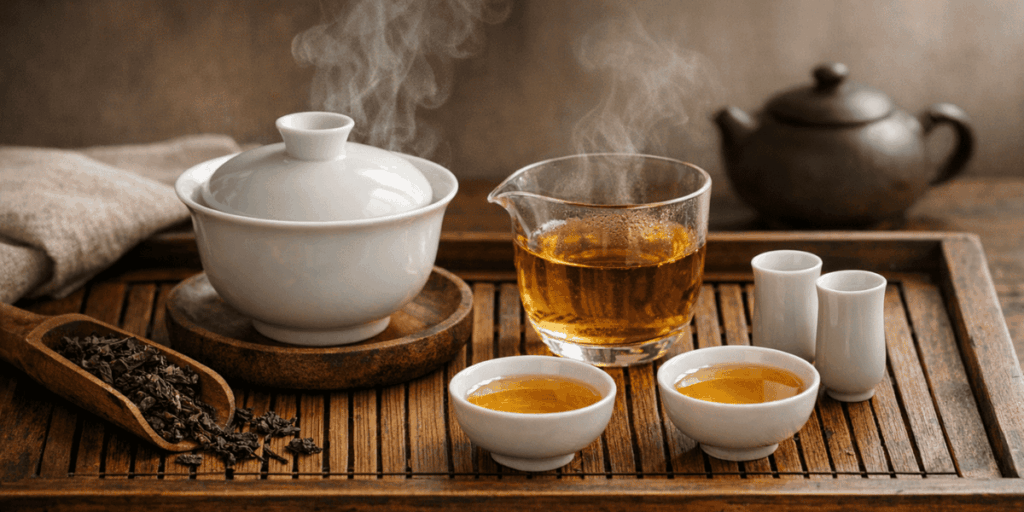
- Aroma: Intense peaches, wildflowers, and honey.
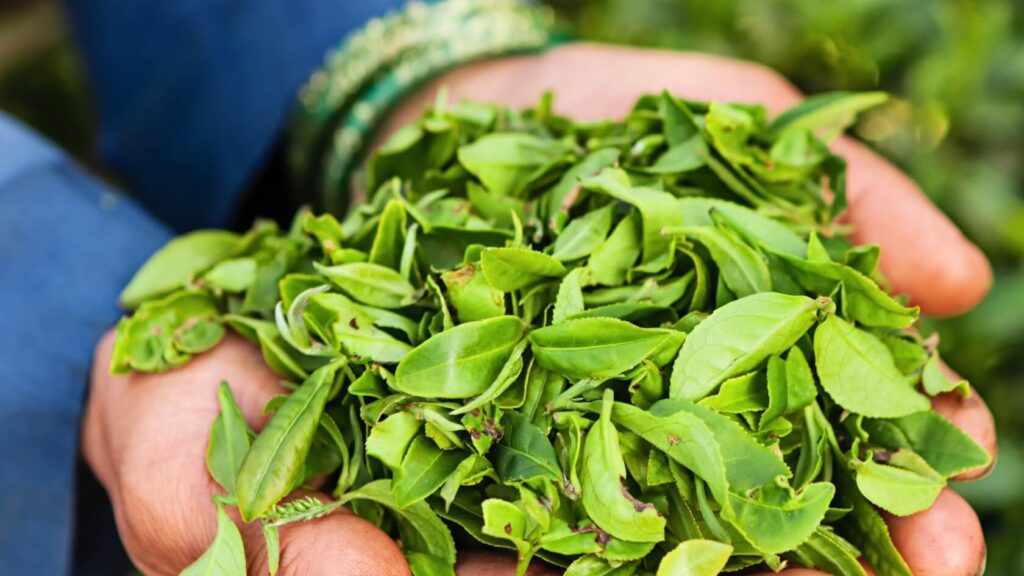
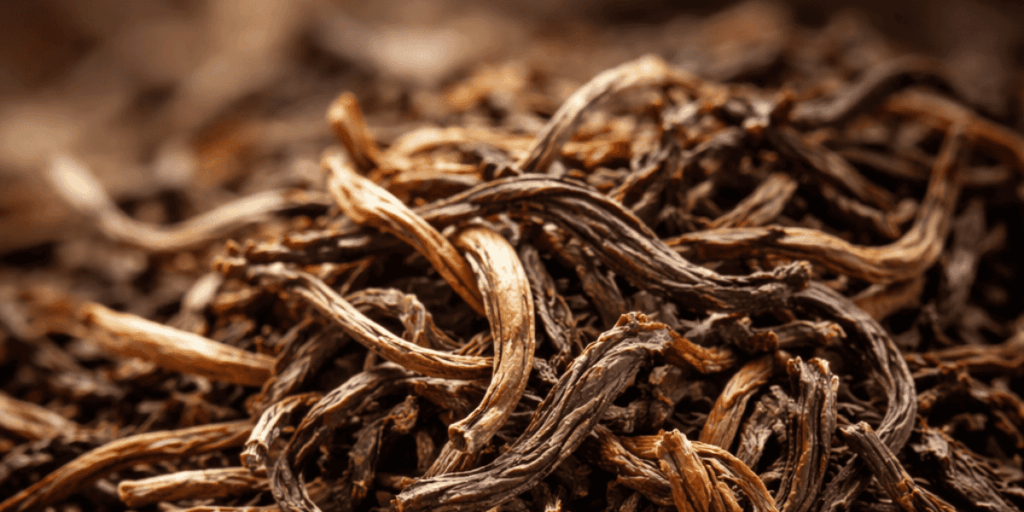
- Appearance: The buds are large, fuzzy, and silver, unlike the small, wiry leaves of the China bush.
The Risk: Why Planters Fear It
If the AV2 Tea Clone is so good, why isn’t the whole district planted with it?
Because it is dangerous. The AV2 has a shallow root system. In a year like 2024, where we faced severe drought in the spring, the AV2 bushes are the first to wilt. They are not hardy. They succumb to pests like the Red Spider Mite faster than the indigenous varieties.
Planting AV2 Tea Clone is a gamble. A planter is betting that the quality of the flavor will outweigh the lower yield and the high mortality rate of the bushes. It is a “Grand Cru” strategy—sacrificing volume for pure luxury.
FAQs: Clonal vs. Chinary
What is the difference between Clonal and Chinary tea?
“Chinary” comes from seeds and offers a multi-layered, classic astringency. The AV2 Tea Clone comes from cuttings and offers specific, targeted flavors (usually fruit and flowers) with less astringency.
Is AV2 the only clone in Darjeeling?
No, there are many (like P312 or B157), but the AV2 Tea Clone is widely considered the gold standard for flavor quality.
Which estates have the best AV2?
Castleton, Rohini, Giddapahar, and Gopaldhara are famous for their mastery of this cultivar.
Why is AV2 tea more expensive?
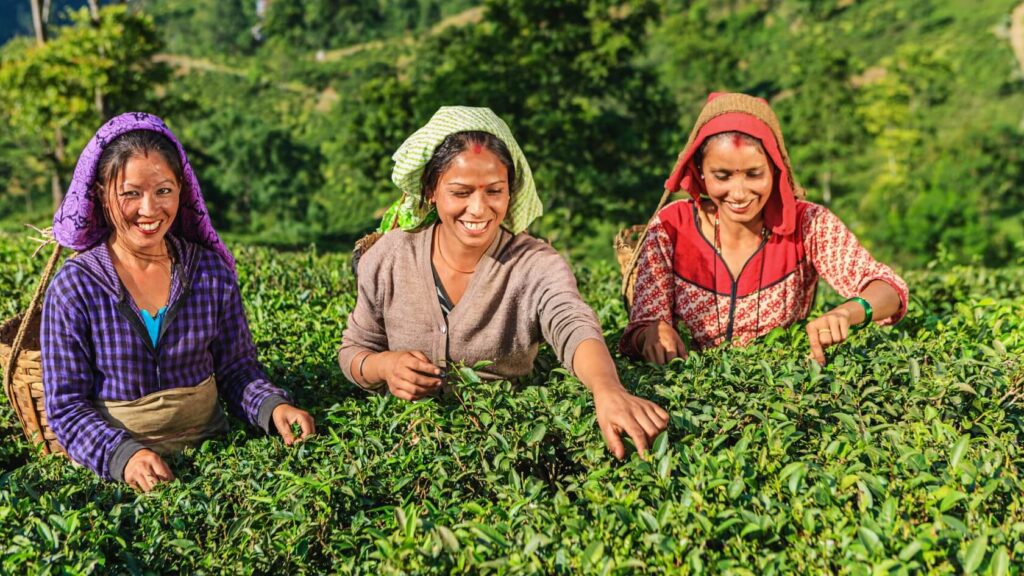
It is harder to grow, has lower yields, and requires extremely careful hand-plucking to preserve the large silver buds, driving up the cost of production.
External References for Further Reading: