Second Flush Harvest: The Golden Gamble
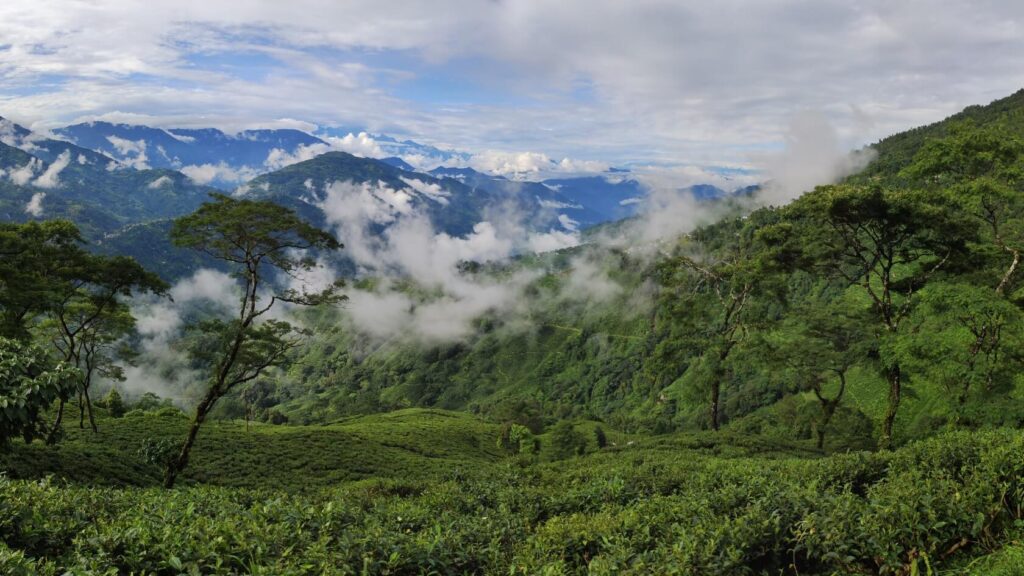
The Second Flush Harvest is not just a season; it is a calculated risk that defines the fortune of a Darjeeling estate.
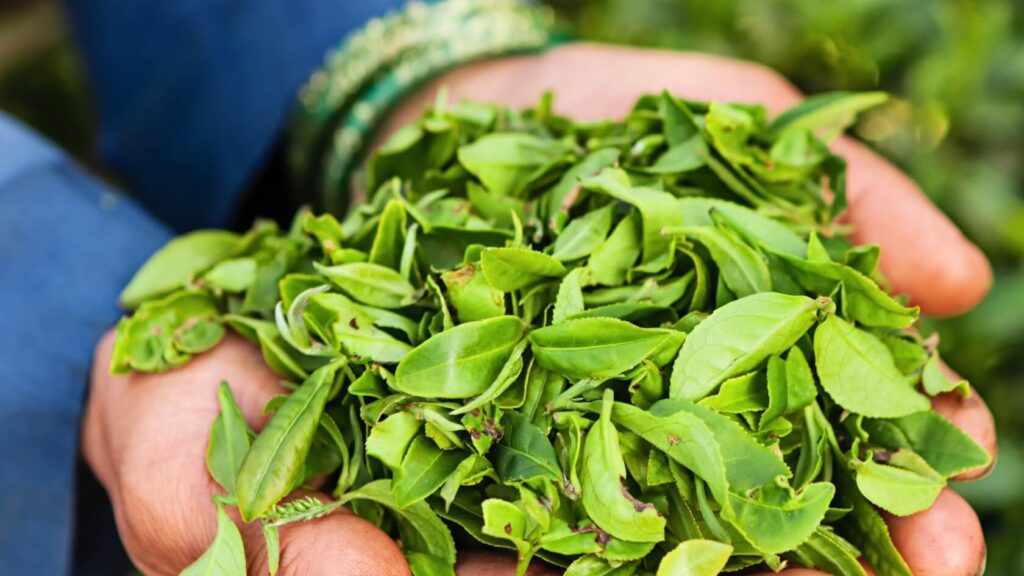
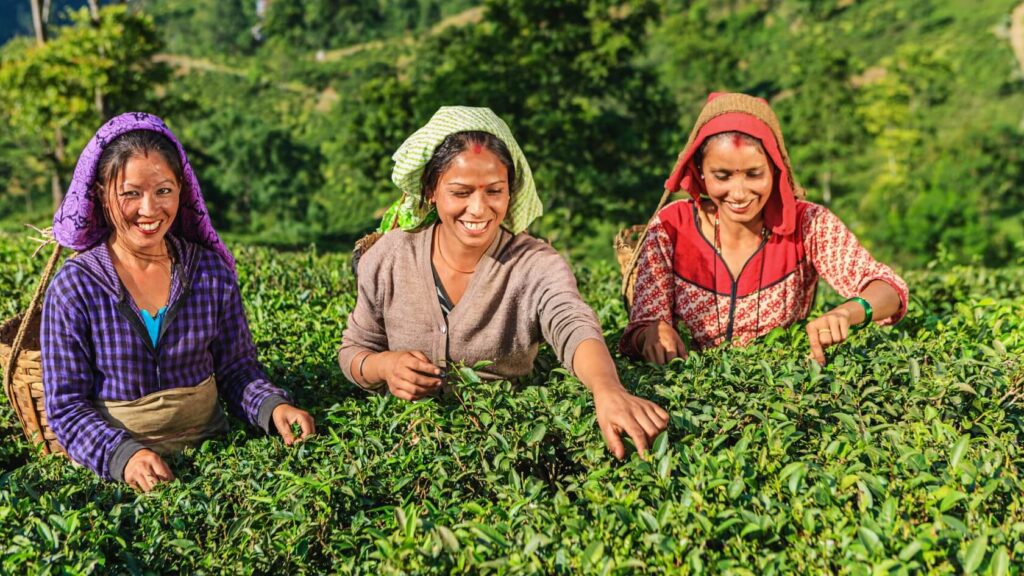
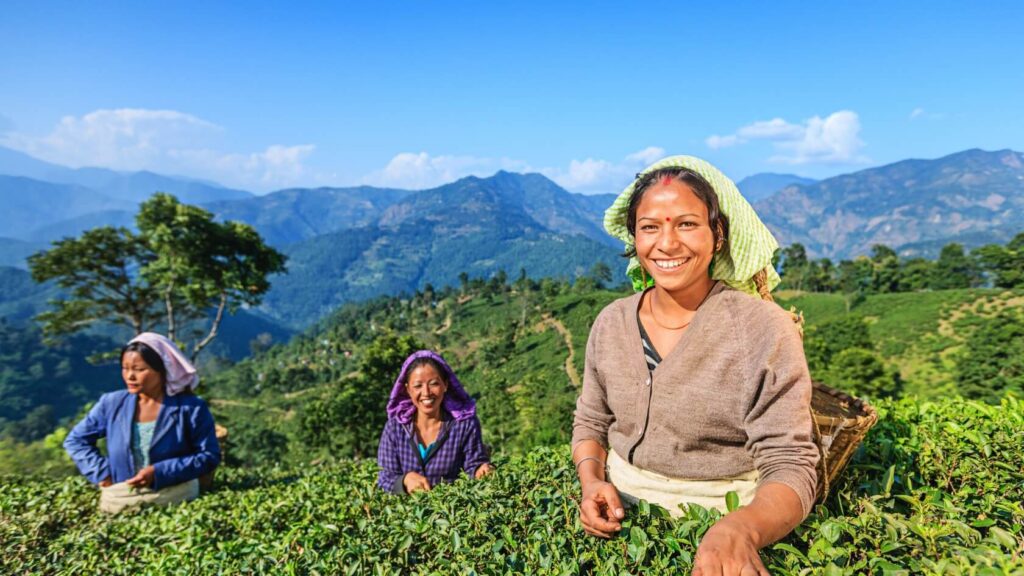
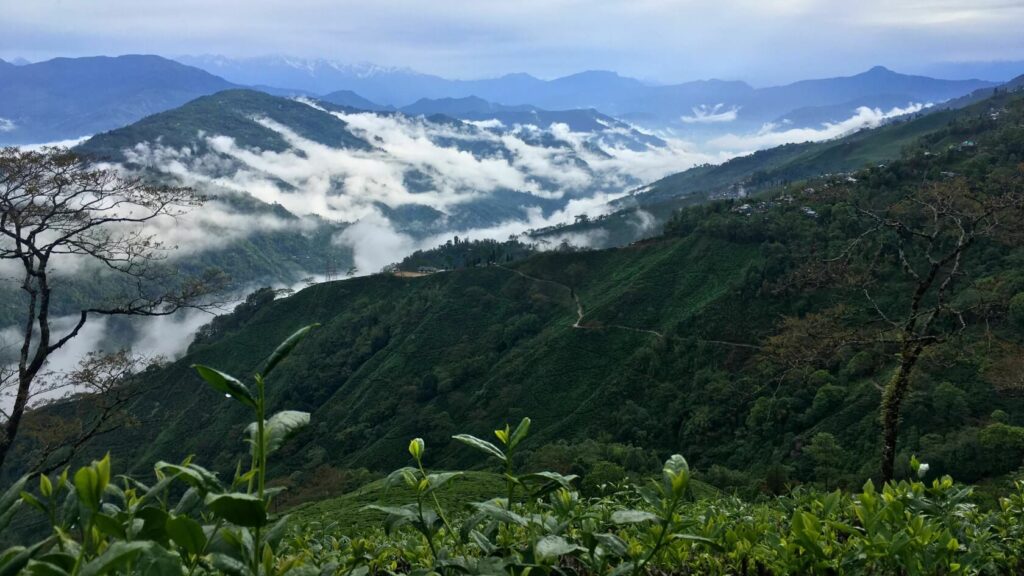
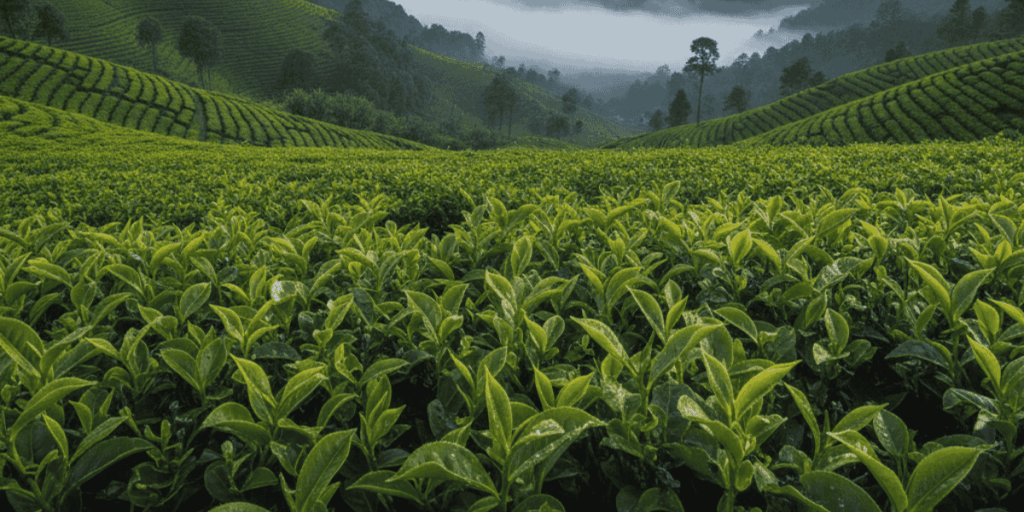
While the First Flush (Spring) is about nervousness and floral notes, the Second Flush Harvest—occurring from late May to June—is about maturity. The tea bushes, having soaked up the spring rain and summer sun, produce a leaf that is succulent and rich.
But to create a “Grand Cru” summer tea, we don’t just pluck leaves. We wait for an attack. The legendary “Muscatel” flavor unique to Darjeeling’s Second Flush Harvest is actually a defensive response to stress.
The Science: Why We Want the Bugs
In any other agriculture, pests are the enemy. In the Second Flush Harvest, the Green Leafhopper (Empoasca flavescens) is our partner.
When these tiny green bugs attack the tea bush, they suck moisture from the stem. The plant fights back by releasing a specific terpene (phytoalexin) to repel the insect. This chemical reaction, once oxidized in the factory, creates the distinct flavor of honey, musk, and grapes.
Without the bug, you get a standard black tea. With the bug, you get the magic of the Second Flush Harvest.
Sacrificing Yield for “Muscatel”
Here is the gamble: To get that flavor, you have to let the bugs stunt the growth of the bush.
A healthy, pest-free bush produces more leaves (high yield). A bug-bitten bush produces significantly less leaf (low yield), but the leaf it does produce is packed with flavor compounds.
During the Second Flush Harvest, a planter constantly weighs this decision. If they spray organic repellents, they get volume but no character. If they let the bugs roam, the yield drops, but the price per kilogram at the auction skyrockets. It is the definition of the “Third Wave” philosophy—choosing quality over quantity.
Processing the Summer Leaf
The Second Flush Harvest requires a completely different processing style than the spring teas.
- Hard Wither: We remove more moisture to concentrate the sugars.
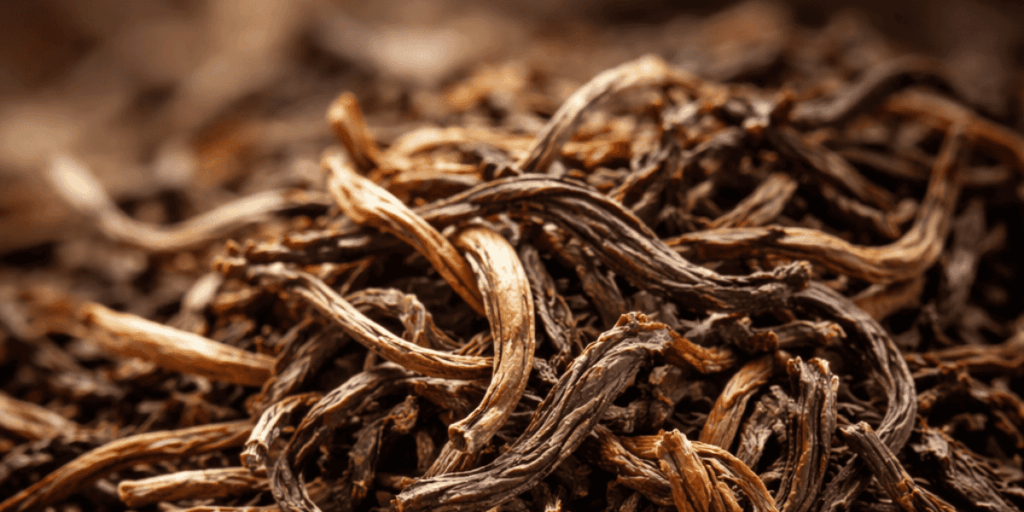
- Higher Oxidation: Unlike the green-ish First Flush, the Second Flush Harvest is fully oxidized to a rich copper brown. This brings out the “wine-like” body.
- High Firing: The dryer temperatures are slightly higher to caramelize the sugars, locking in that biscuit-like finish.
FAQs: Understanding the Summer Cup
When does the Second Flush Harvest start? The Second Flush Harvest typically begins in late May and continues through June, ending just before the heavy monsoon rains arrive.
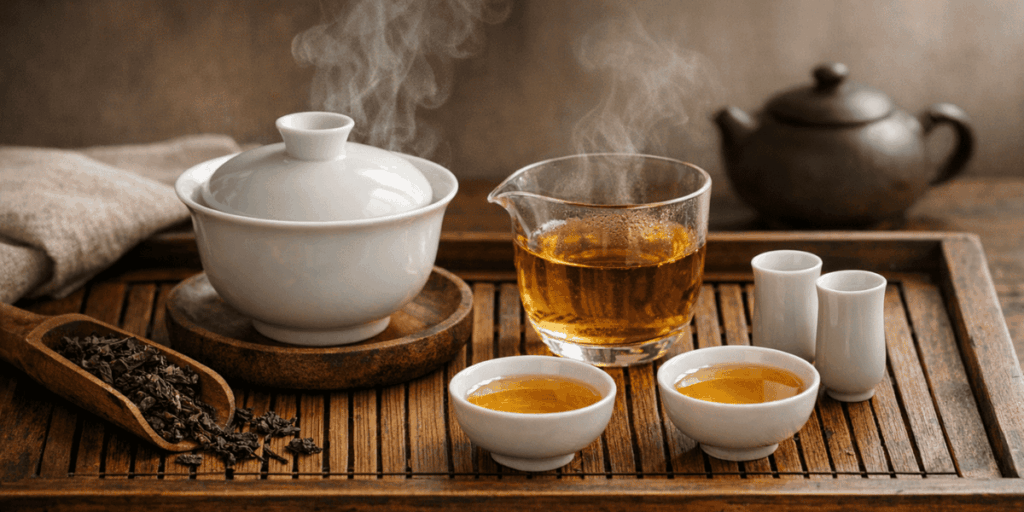
What does Second Flush taste like? A premium Second Flush Harvest tea tastes of ripe fruits (grapes, berries), honey, and often has a woody, “toasty” finish.
Why is it called Muscatel? The term comes from the “Muscat” grape, as the flavor profile of this harvest shares the same sweet, fruity characteristics.
Is Second Flush better than First Flush? It is subjective. First Flush is like white wine (light, floral); Second Flush Harvest is like red wine (full-bodied, fruity).
External References for Further Reading: