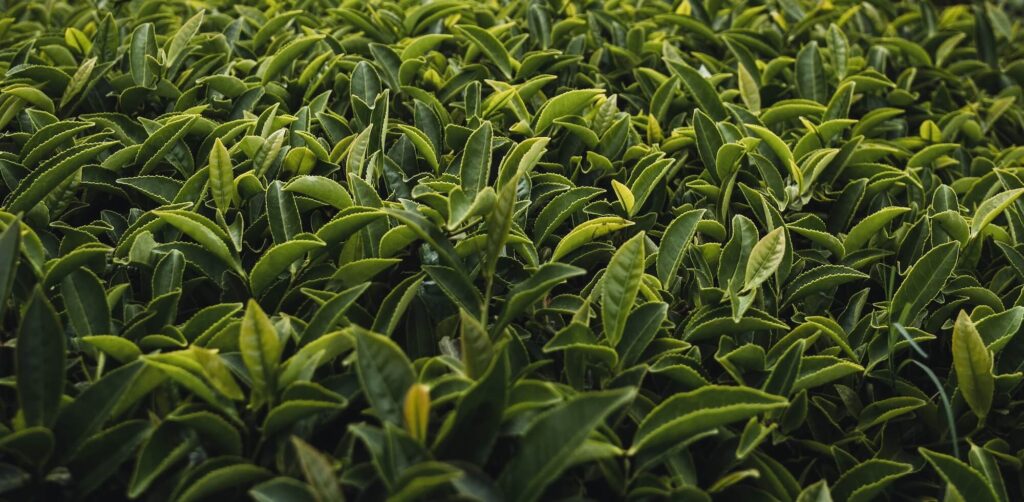
High Altitude Tea Benefits: The Science of Suffering
High Altitude Tea Benefits are not a myth; they are a chemical certainty.
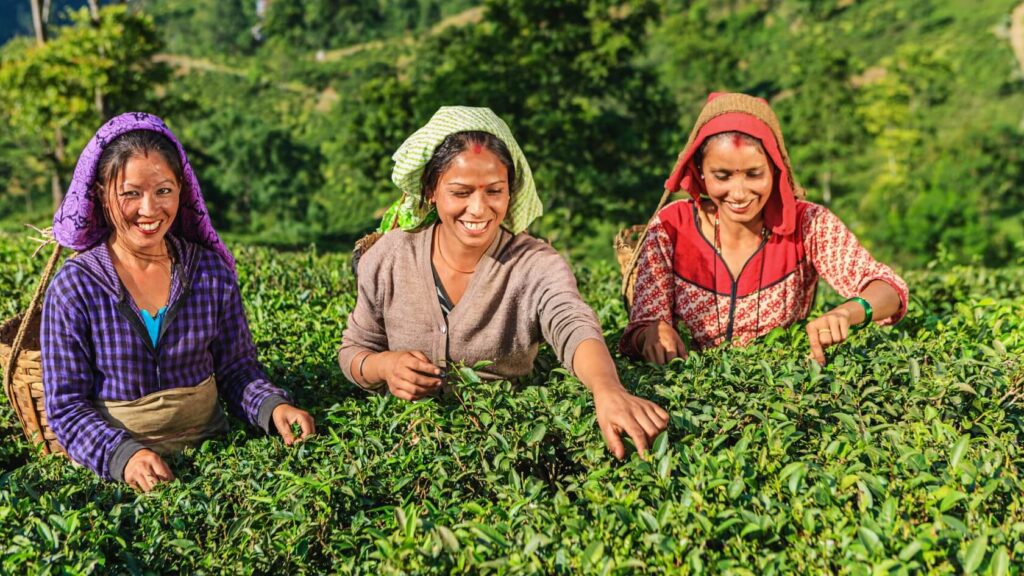
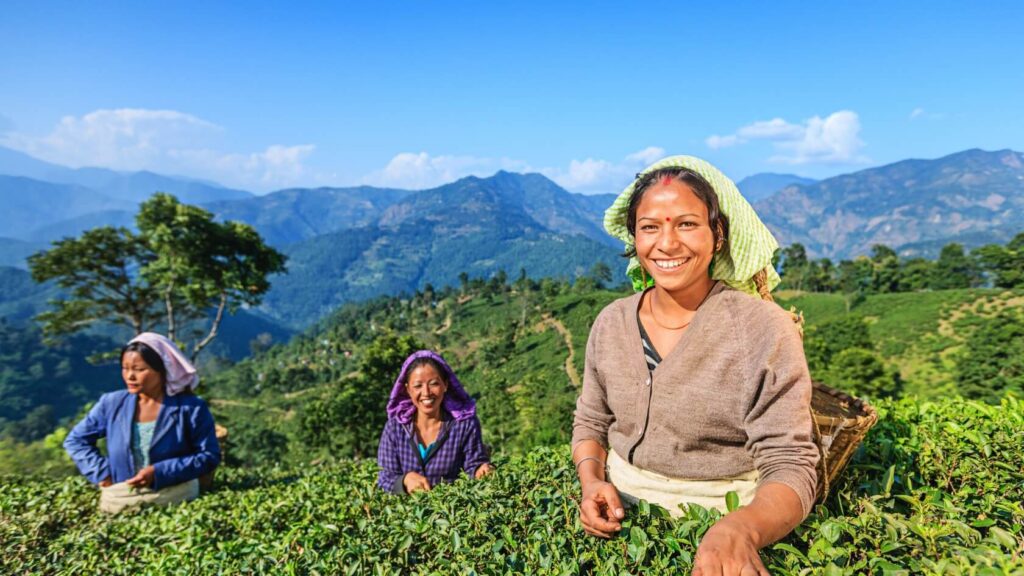
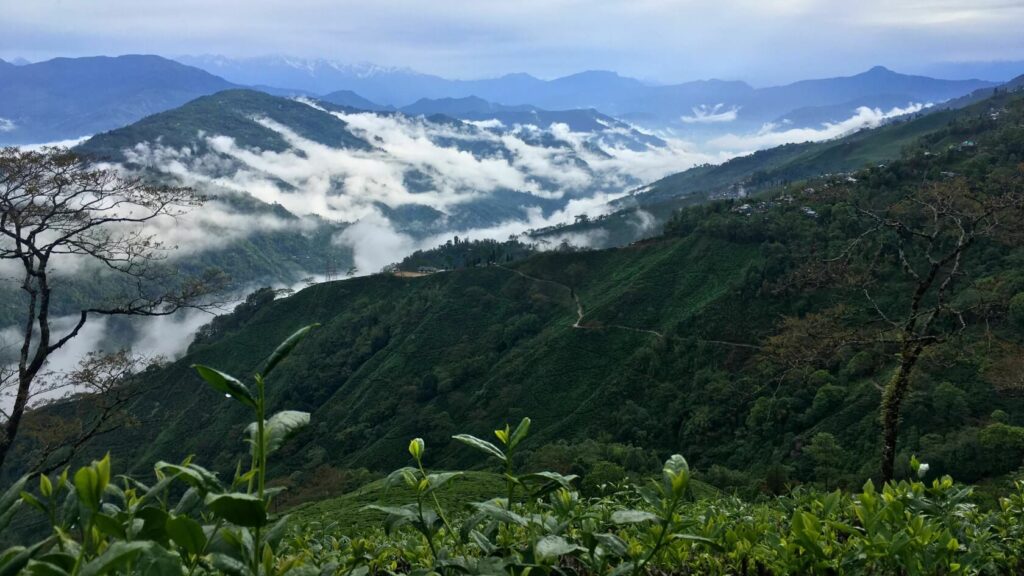
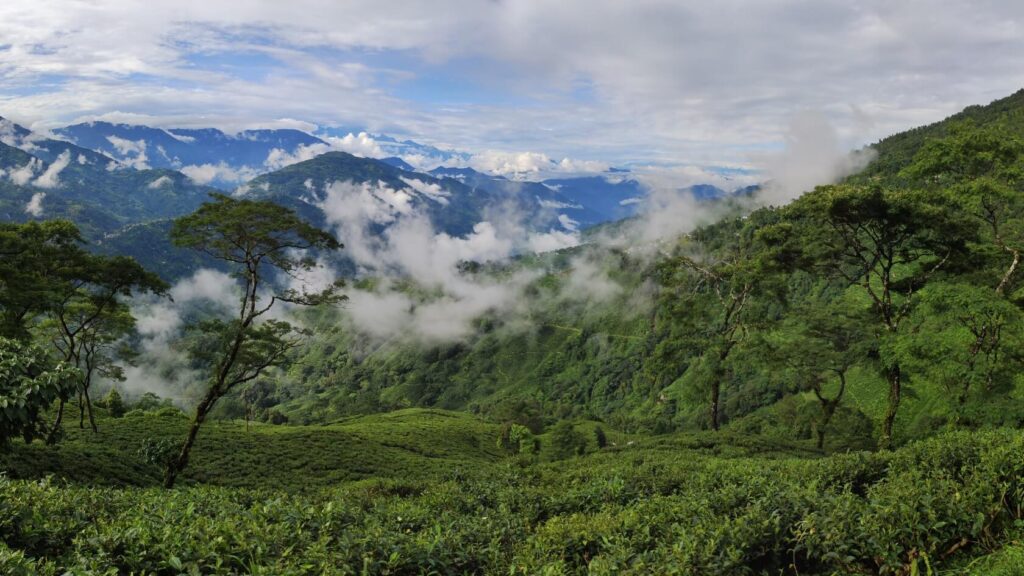
Here in Darjeeling, our estates range from 2,000 to 7,000 feet. It is cold, the air is thin, and the UV radiation is intense. To a human, it is breathtaking. To a tea bush (Camellia sinensis), it is a nightmare.
But this nightmare is exactly what we want.
The primary High Altitude Tea Benefits stem from the fact that the plant is constantly fighting to survive. In the humid lowlands of Assam, tea grows fast and lush. In the highlands of Darjeeling, the bush grows slowly, entering a state of dormancy in winter. This slow growth is the secret to quality.
What is Metabolic Stress?
To understand High Altitude Tea Benefits, you must understand “Metabolic Stress.”
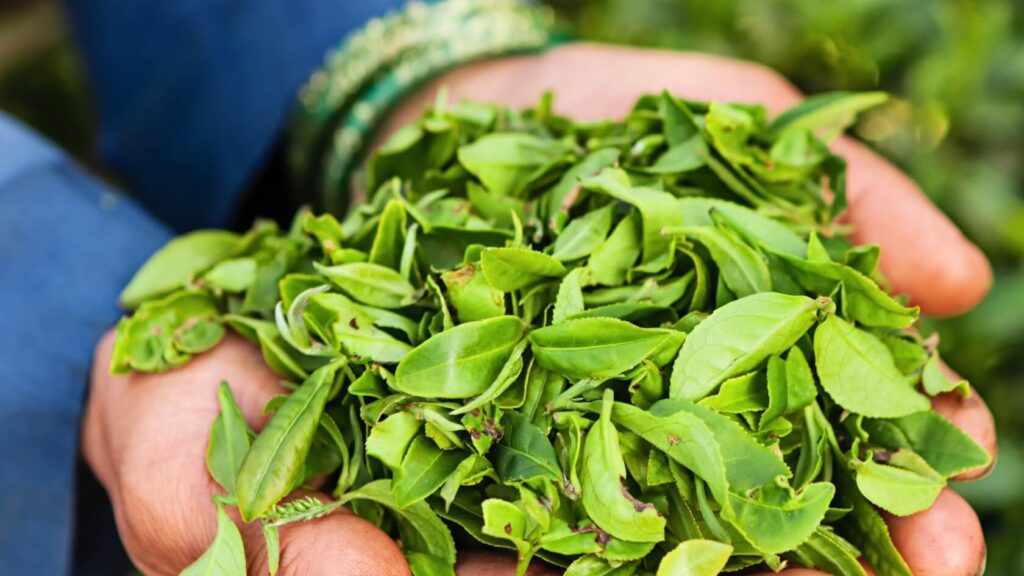
When the tea bush is exposed to harsh UV rays and chilling temperatures, it cannot just grow leaves; it must protect them. The plant produces secondary metabolites—specifically flavonoids and polyphenols—as a defense mechanism. Think of these chemicals as the plant’s sunscreen.
It just so happens that these defensive chemicals are delicious.
- Polyphenols: Provide the “briskness” and structure.
- Volatile Oils: Provide the aroma (flowers, fruits, musk).
Because the plant is “stressed,” it concentrates these compounds in the leaf rather than wasting energy on growing big stems. This is the core of High Altitude Tea Benefits.
The “Gym” Analogy: Flavor as Muscle
We often explain High Altitude Tea Benefits to visitors using the “Gym Analogy.”
Imagine two people. One sits on a couch eating plenty of food (Lowland Tea). The other is hiking up a mountain with a heavy backpack (Highland Tea).
- Lowland Tea: Grows fast, big, and strong. Great for volume, but lacks nuance.
- Highland Tea: Lean, wiry, and concentrated.
The struggle builds character. The High Altitude Tea Benefits result in a cup that is lighter in color but infinitely more complex in aroma. It is why a First Flush from an upper division field (like Castleton‘s upper ridge) will always outsell a tea from the valley floor.
Altitude vs. Attitude: The Taste Test
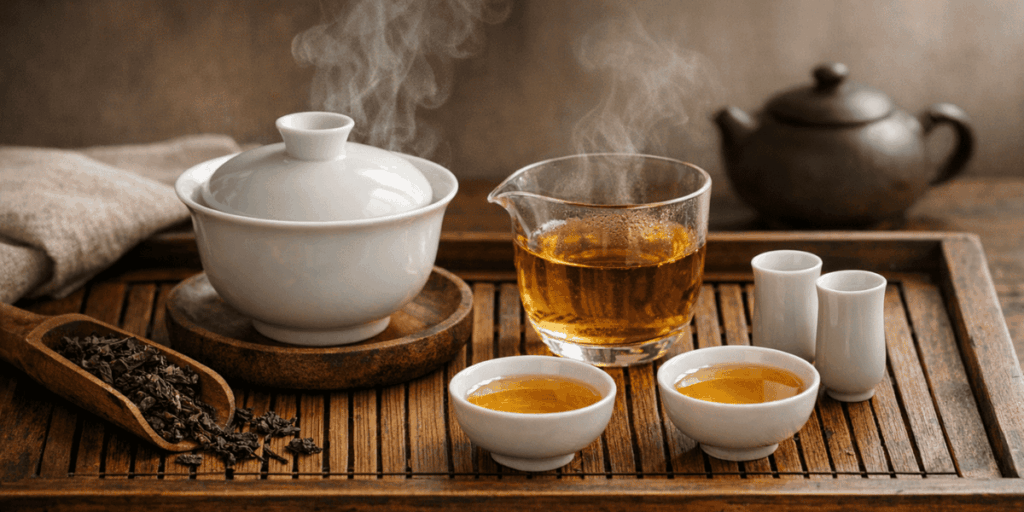
The High Altitude Tea Benefits are immediately apparent on the palate.
- Astringency: High-grown teas have a “clean” astringency that feels like a vibration on the tongue, rather than a heavy bitterness.
- Complexity: You will find notes of moss, wet stone, and flowers—flavors derived from the rocky soil (gneiss and schist) and the slow metabolic rate.
- Aftertaste: The concentration of oils means the flavor lingers long after the sip.
FAQs: Does Height Matter?
What counts as “High Altitude” for tea? Generally, anything above 4,000 feet is considered high elevation. In Darjeeling, the High Altitude Tea Benefits kick in significantly at estates like Rungli Rungliot or Gopaldhara, which reach up to 7,000 feet.
Does high altitude tea have more caffeine? Sometimes. The plant produces caffeine as a pesticide (to ward off bugs). Since bugs are fewer at high altitudes, caffeine can vary, but the antioxidant content is almost always higher due to the UV exposure.
Why is high grown tea more expensive? It is a matter of yield. Due to the cold and slow growth, high-altitude bushes produce far less leaf than lowland bushes. You are paying for the scarcity and the concentrated High Altitude Tea Benefits.
External References for Further Reading:
- National Center for Biotechnology Information: Metabolites in High Altitude Tea
- The Tea Board of India: Geographical Indications
- Food and Agriculture Organization: Tea Market Trends
- Journal of Food Science: Effect of Altitude on Flavor
- Darjeeling Tea Association: Estate Elevations
- WebMD: Health Benefits of Polyphenols