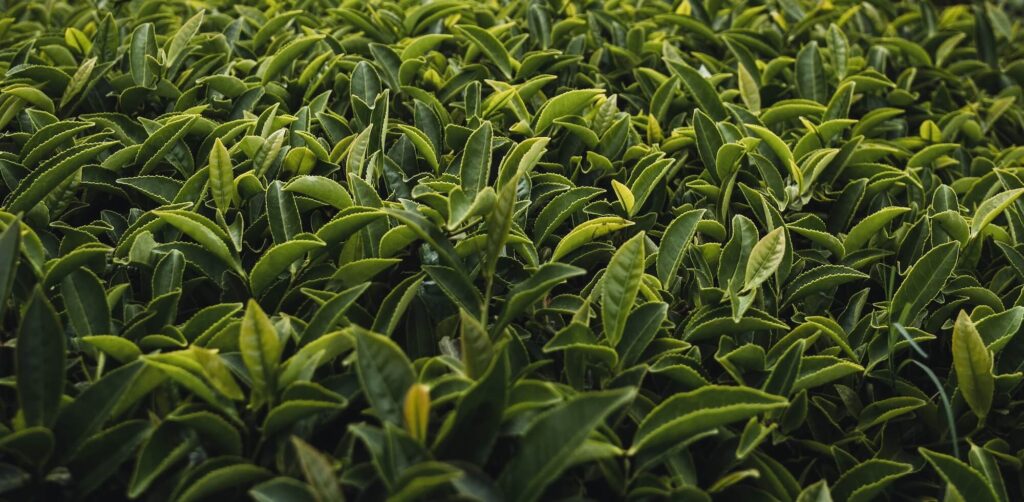
Darjeeling First Flush: The Awakening
The Darjeeling First Flush is the most anticipated event in the tea calendar, comparable to the Beaujolais Nouveau in wine.
While the rest of the world drinks industrial tea produced year-round, here in the hills, we wait. From December to February, the tea bushes enter a state of deep hibernation due to the cold temperatures (often dropping to 2°C). They stop growing. They rest.
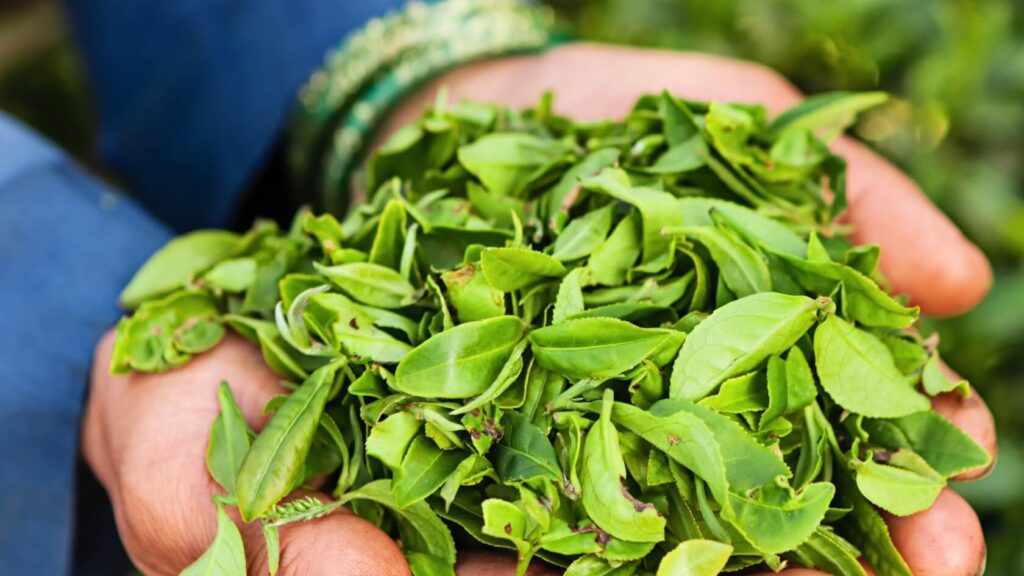
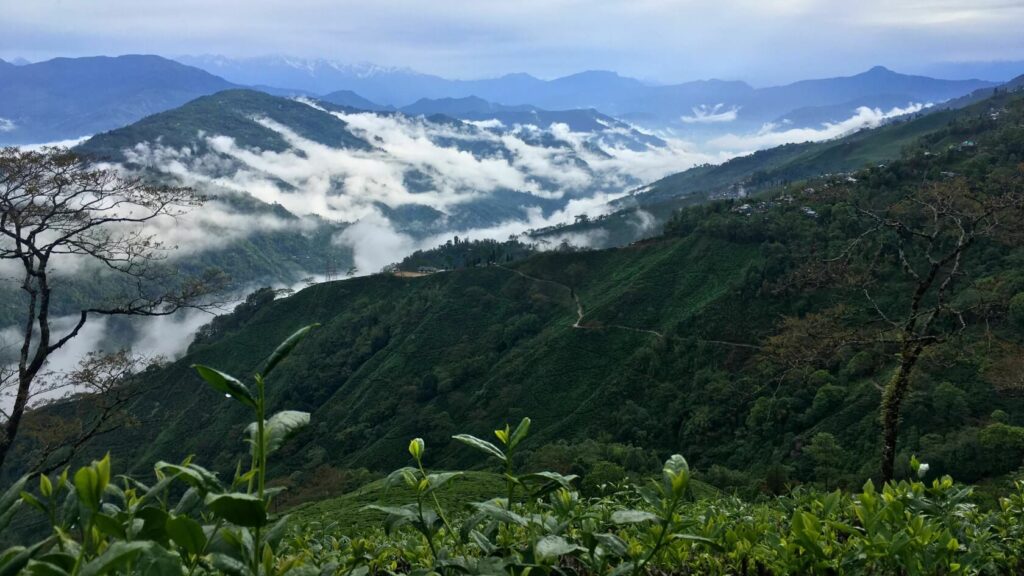
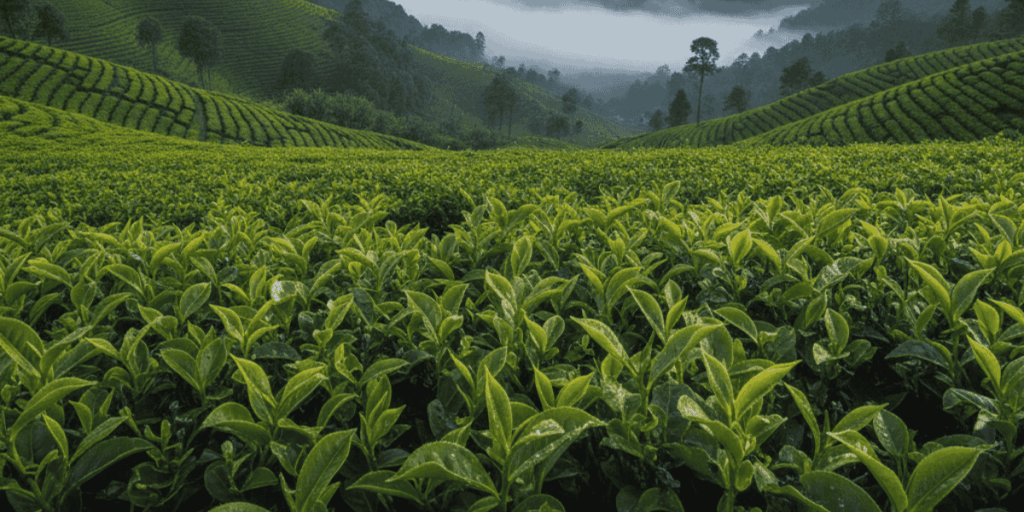
When the warmth of March arrives, the bush wakes up and shoots out tender, new leaves. This is the Darjeeling First Flush. Because the plant has stored months of energy and nutrients during its sleep, these first leaves are exploding with flavor compounds, creating a tea that is light, floral, and incredibly potent.
Why Is It Called the “Champagne of Teas”?
The nickname “Champagne of Teas” isn’t just marketing; it’s about the unique profile of the Darjeeling First Flush.
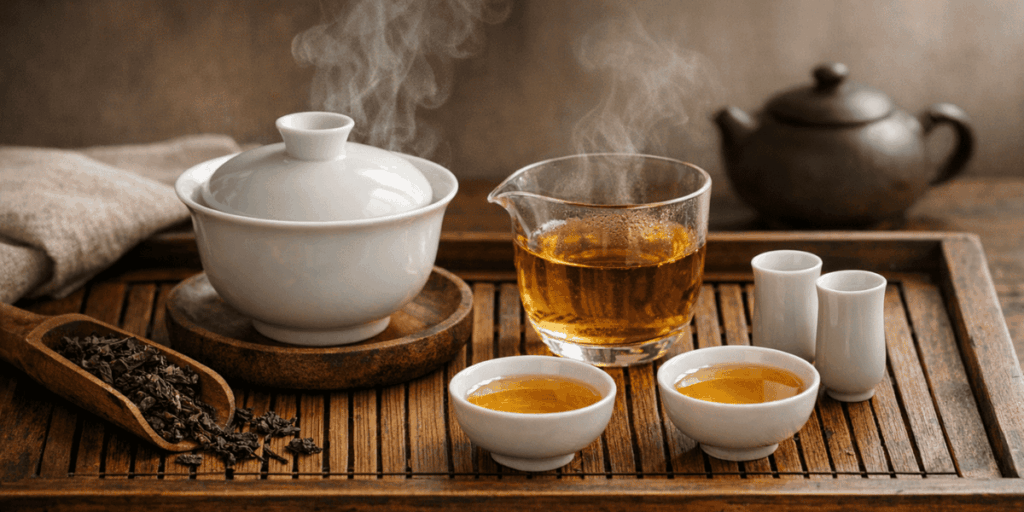
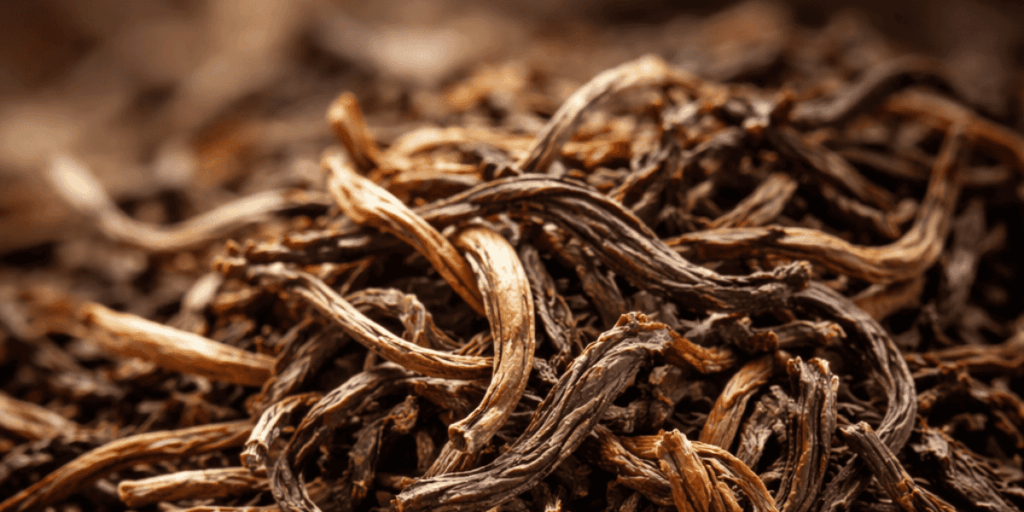
Unlike the dark, malty teas of the summer, the spring harvest is barely oxidized. The leaves remain greenish, and the liquor in the cup is a pale golden-yellow.
- Aroma: Think of fresh mountain flowers, wet earth, and peach skin.
- Taste: It has a “briskness” or a lively astringency that dances on the palate, much like sparkling wine.
This profile is unique to our terroir. If you took the same bush and planted it in the plains, the Darjeeling First Flush magic would simply vanish.
The Science of Scarcity: Why So Expensive?
Why does a kilogram of premium Darjeeling First Flush often cost more than a fine whiskey?
It comes down to simple yield economics.
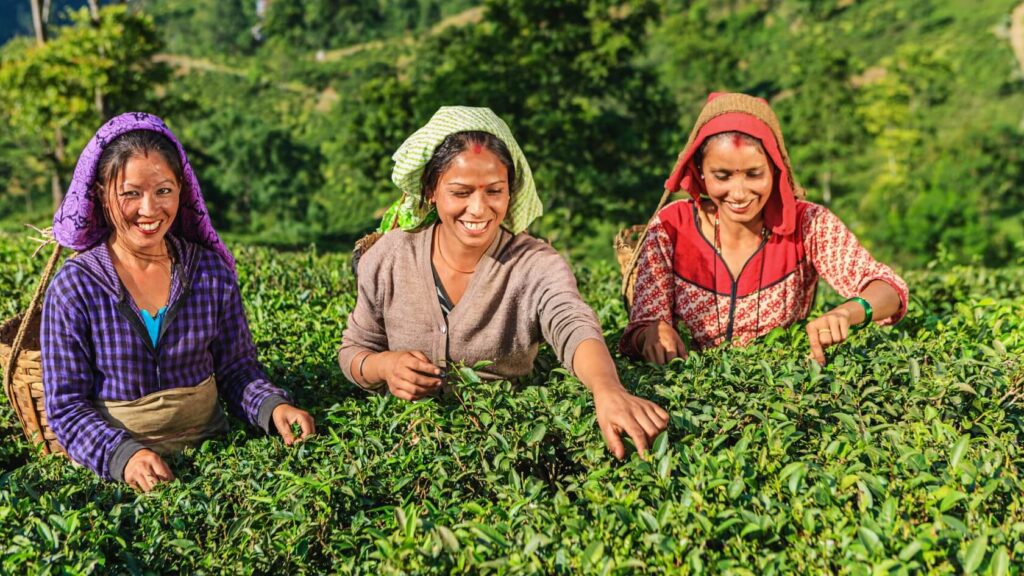
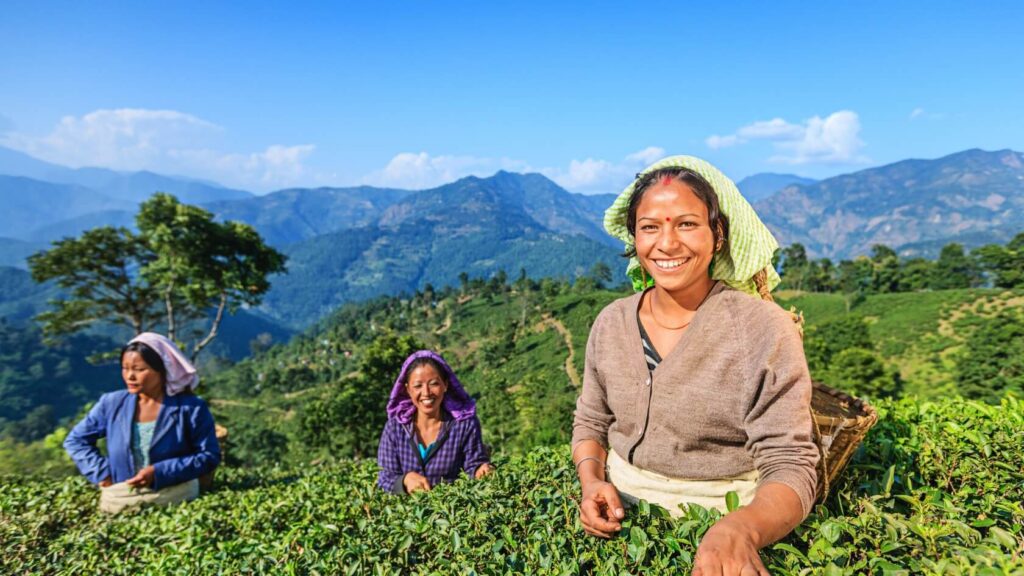
- Low Yield: In the cool spring weather, the bushes grow slowly. A plucker might only harvest 2-3 kg of fine leaf a day, compared to 20 kg in the monsoon.
- High Demand: The entire global market—from Tokyo to London—is fighting for these first invoices (marked as DJ-1, DJ-2, etc.).
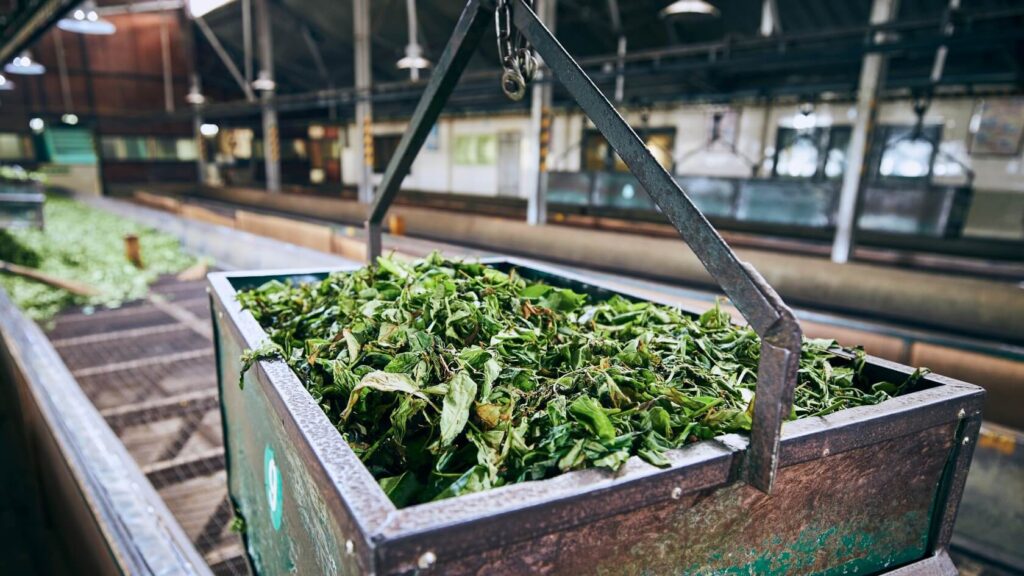
- Fragility: The leaves are so tender that they require expert handling. A mistake of just a few minutes in the dryer can ruin the entire batch.
You are not paying for tea; you are paying for the “concentration” of flavor that only happens once a year.
How to Brew the Spring Harvest
To respect the Darjeeling First Flush, you must brew it with care. It is delicate.
- Water: Use soft, filtered water. Hard water kills the floral top notes.
- Temperature: Never use boiling water. Aim for 85°C–90°C.
- Time: Steep for 3 to 4 minutes maximum.
If you brew it like a common black tea, it will turn bitter. Treat it like a white wine—gentle and precise.
FAQs: Buying the 2025 Harvest
When is the Darjeeling First Flush harvested? The harvest typically begins in mid-March and lasts until late April, depending on the rain and temperature.
Why is my First Flush green? The Darjeeling First Flush is processed as a “hard wither” black tea but is virtually un-oxidized to preserve the fresh, vegetal notes, giving it a green appearance.
What is an “Invoice Number”? The Invoice Number (e.g., DJ-01) tells you the batch order. DJ-01 is the very first batch to leave the factory, often commanding the highest prices for its prestige.
Does First Flush age well? Generally, no. Darjeeling First Flush is best consumed fresh (within the year) to enjoy its vibrant floral aroma.
External References for Further Reading: