Monsoon Flush Tea: The Strongest Cup
Monsoon Flush Tea is the dark horse of the Darjeeling calendar.
While the First Flush is famous for its floral delicacy and the Second Flush for its fruity muscatel, Monsoon Flush Tea (harvested between July and September) is famous for one thing: strength.
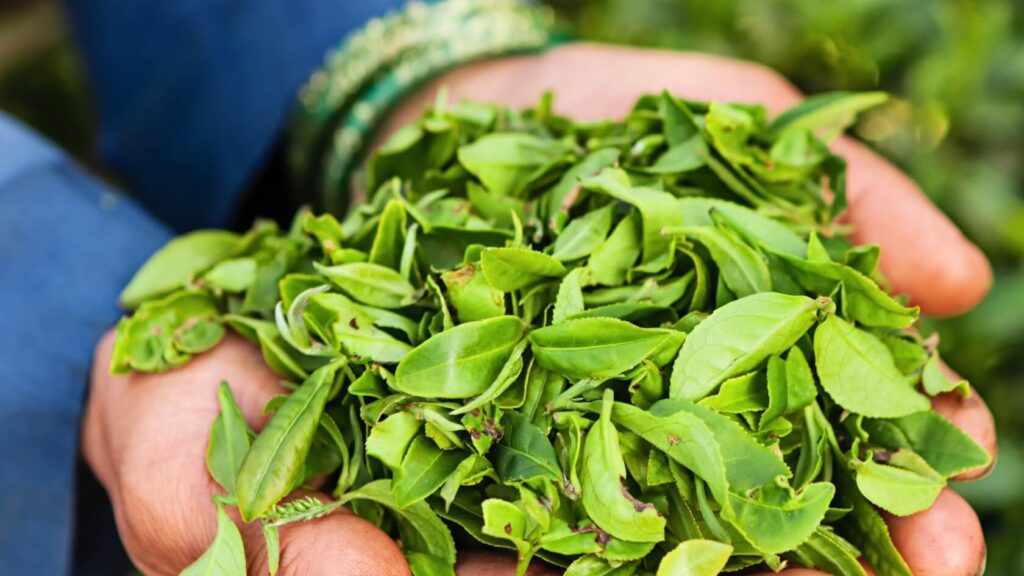
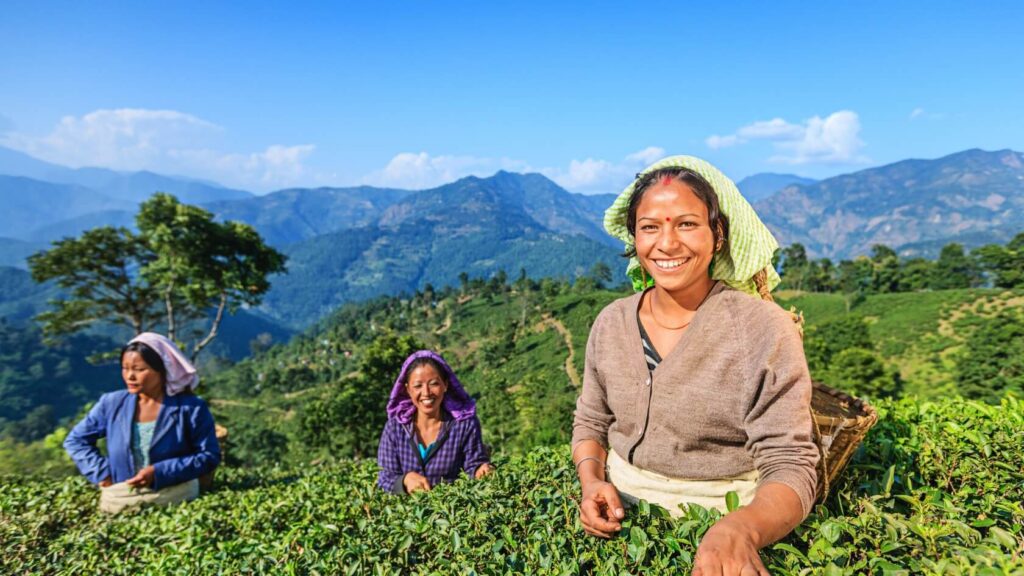
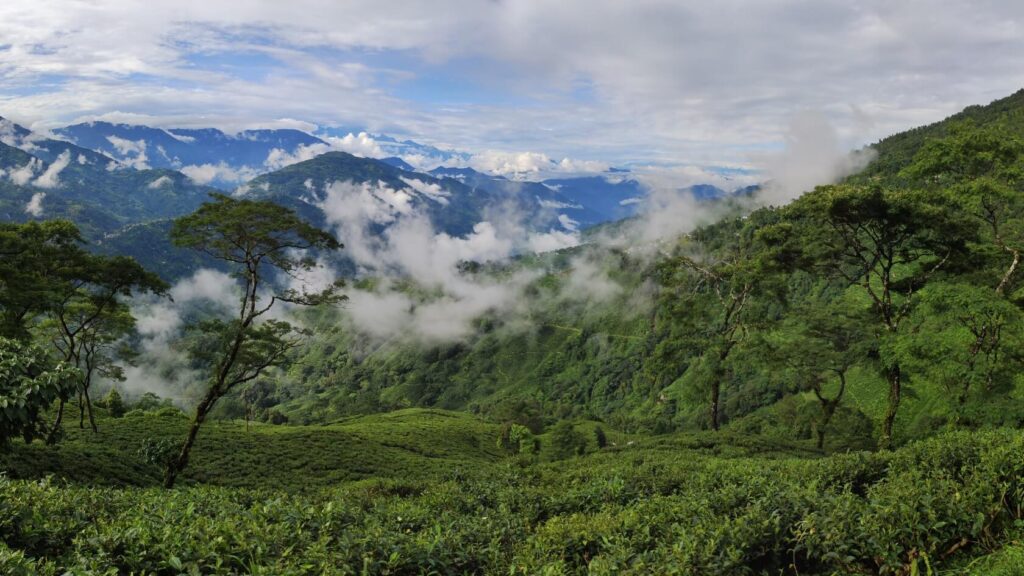
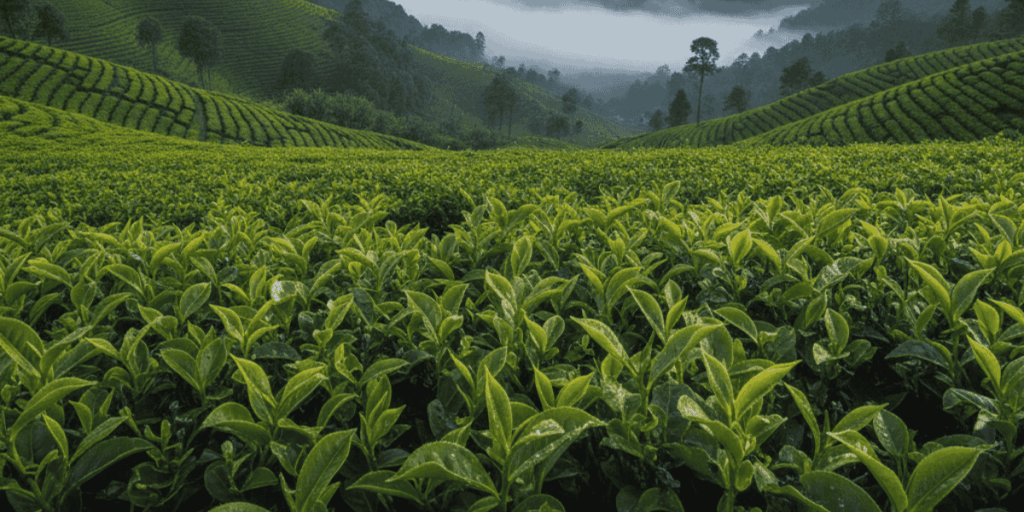
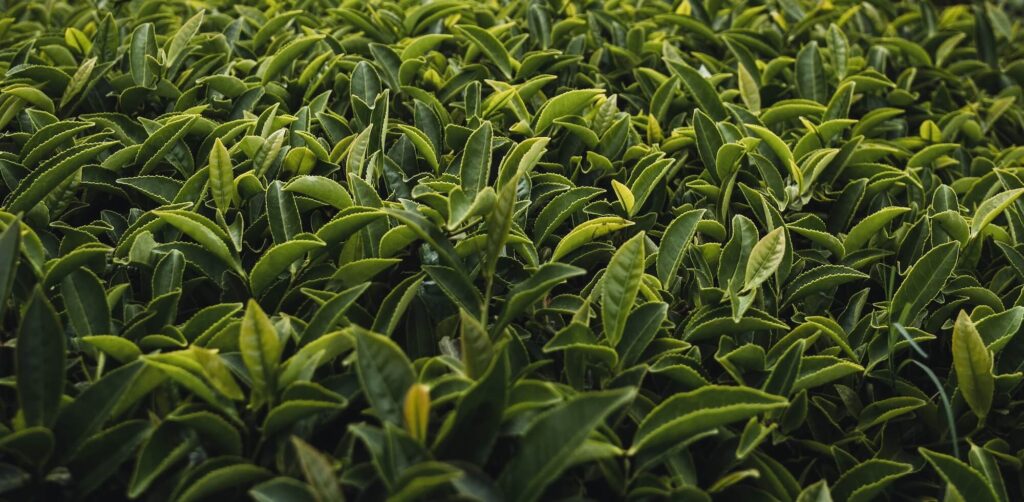
Here in the district, when the skies open up and the water cascades down the 70-degree slopes, the tea bushes grow at an accelerated rate. They absorb massive amounts of water, producing lush, green leaves rapidly. This speed sacrifices nuance for power. The result is a tea that is dark, full-bodied, and intensely colored—the “espresso” of the tea world.
Why the Rain Changes the Flavor
To understand Monsoon Flush Tea, you have to look at the soil chemistry.
During the heavy rains, the sunlight is limited. The metabolic stress that creates the complex flavors of the spring and summer is gone. The plant is comfortable and well-hydrated.
- Less Oxidation Potential: The leaves have lower polyphenol content compared to summer.
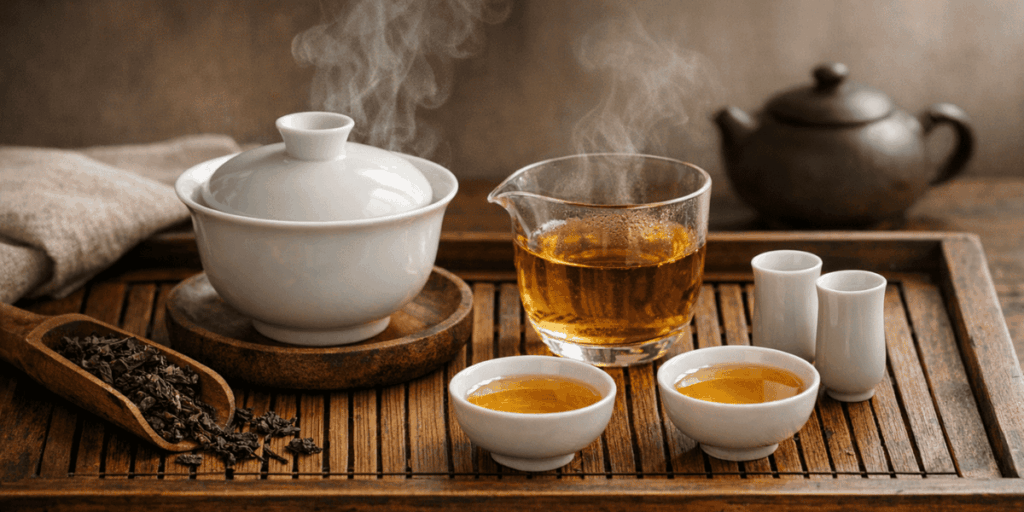
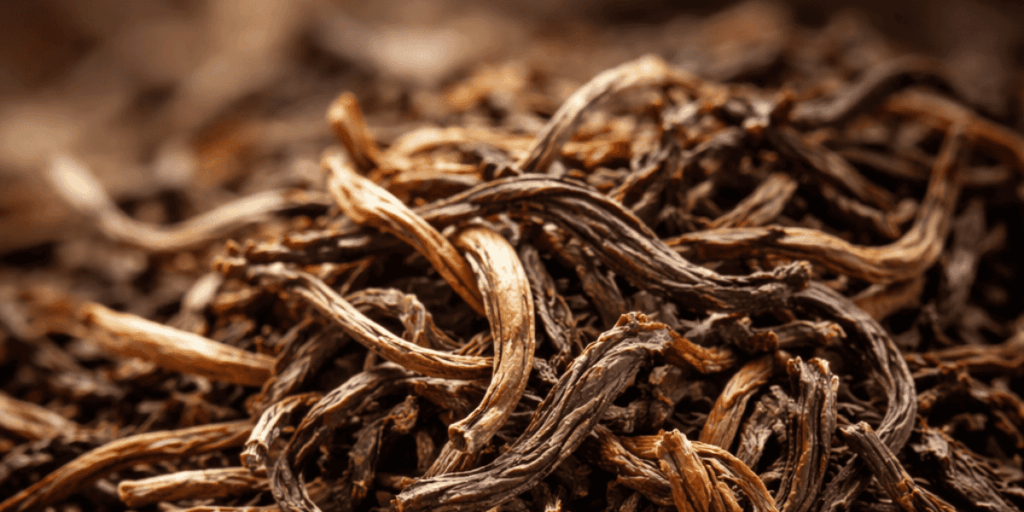
- Color: The liquor brews a deep mahogany or reddish-brown.
- Taste: It lacks the floral top notes but compensates with a strong, earthy “backbone.”
This is why Monsoon Flush Tea is rarely sold as “Grand Cru” loose leaf in Europe, but is highly prized domestically for blends.
The Perfect Base for Masala Chai
This is the secret: Monsoon Flush Tea is the only Darjeeling that can survive milk.
If you add milk to a First Flush, you ruin it. The delicate flavor vanishes. But Monsoon Flush Tea has the tannin structure to stand up to:
- Milk and Sugar: It cuts through the creaminess.
- Spices: It supports strong spices like cardamom, ginger, and cloves without getting overpowered.
In our local homes, when we make “Chia” (sweet milk tea) to warm up during a storm, we always reach for the Monsoon Flush Tea. It provides that comforting “kick” that a delicate spring tea simply cannot.
How to Brew the Rains Harvest
Unlike the delicate flushes, Monsoon Flush Tea is forgiving. You can push it.
- Temperature: Use full boiling water (100°C).
- Time: Steep for 4 to 5 minutes to extract the full body.
- Additives: This is the tea for experimentation. Add a slice of ginger, a crushed cardamom pod, or a splash of full-cream milk.
Because Monsoon Flush Tea is more affordable than the other seasons, it is the perfect “daily drinker” for those who prefer a robust morning cup.
FAQs: Understanding the Rainy Season
When is Monsoon Flush Tea harvested?
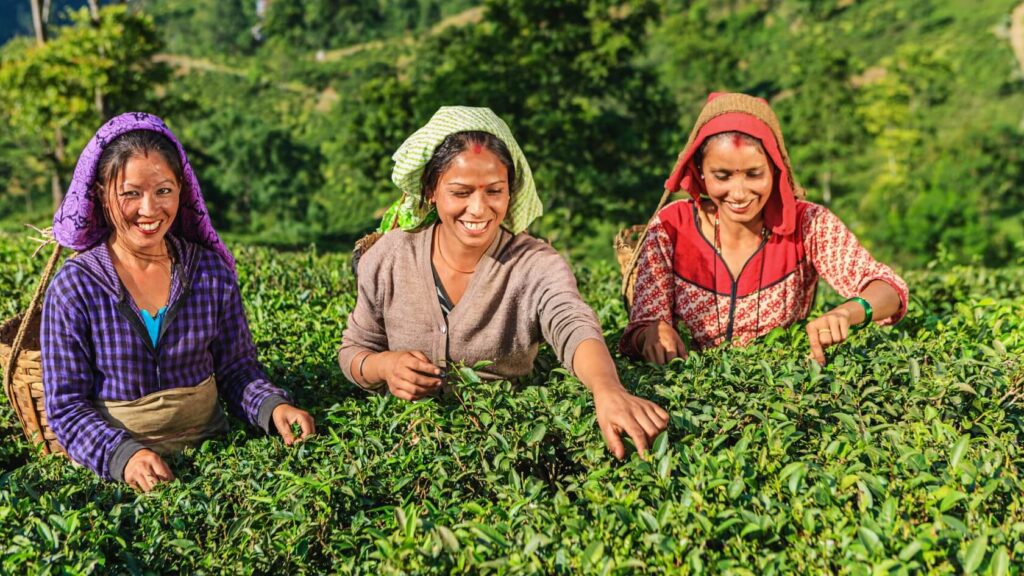
Monsoon Flush Tea is plucked during the heavy rainy season, typically from mid-July to the end of September.
Is Monsoon tea lower quality?
It is different, not necessarily “lower.” While it lacks the complexity of the dry seasons, Monsoon Flush Tea is superior if you want a strong, colored cup.
Can I drink it without milk?
Yes, but be warned: Monsoon Flush Tea can be quite astringent. If drinking black, you might want to reduce the steeping time to 3 minutes.
Why is it cheaper?
The yield is very high during the rains (the bushes grow fast), so the supply is abundant, making Monsoon Flush Tea more affordable.
External References for Further Reading: