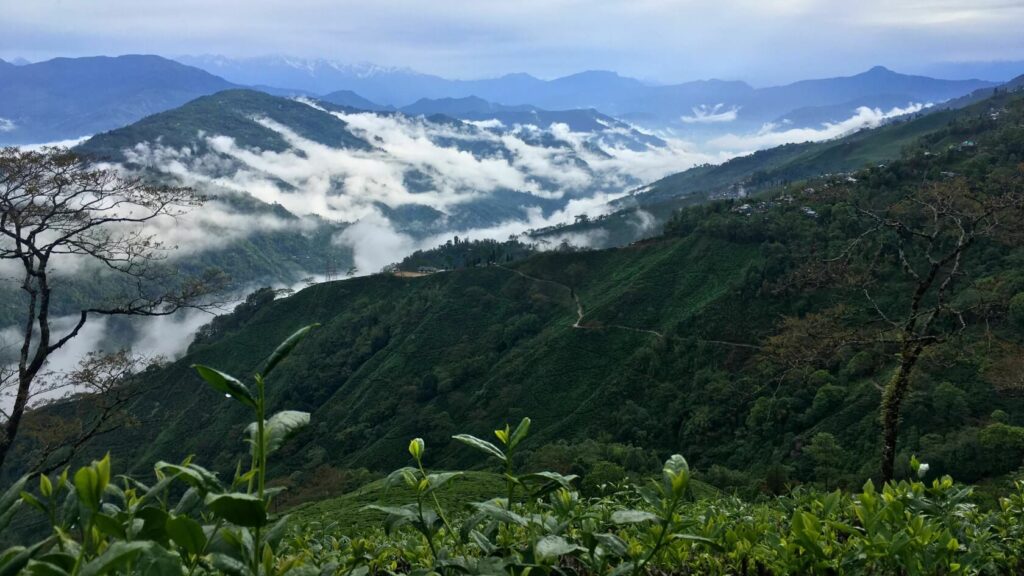
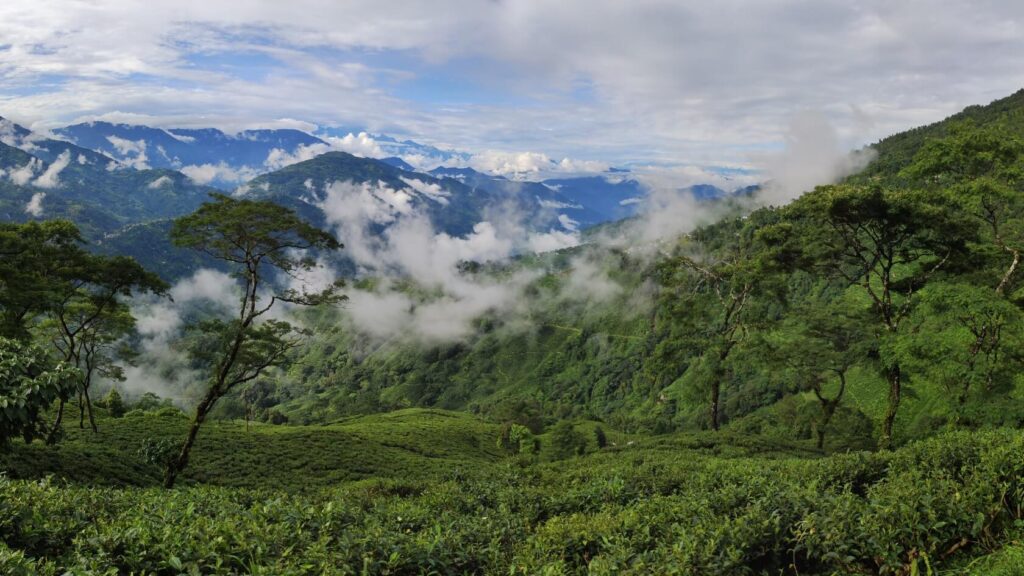
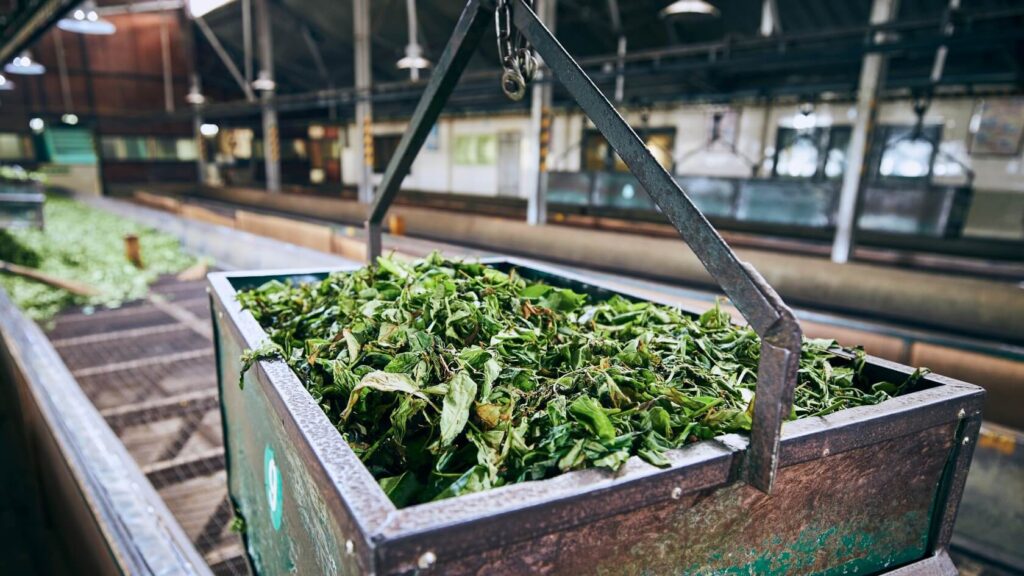
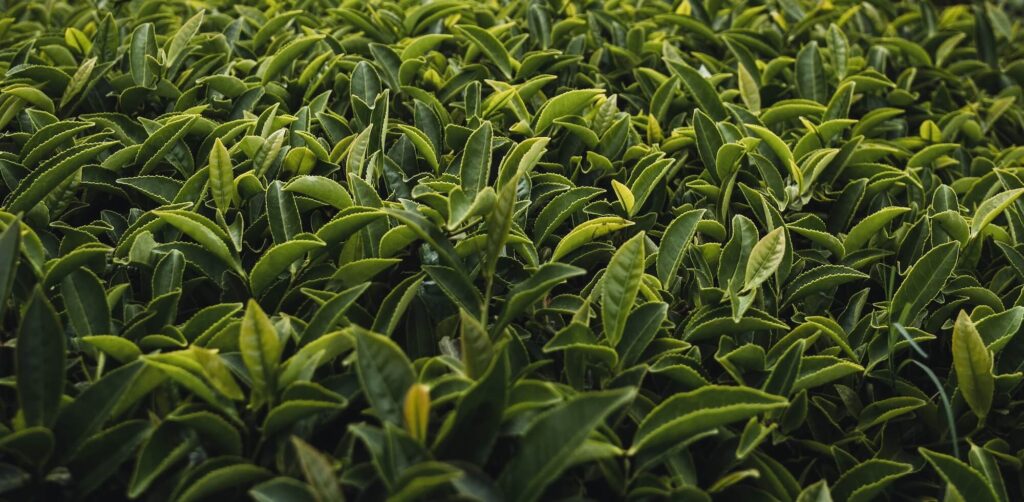
Creating the perfect Afternoon Tea Menu starts with realizing that tea is not just a hot drink—it is a sensory experience comparable to fine wine. From our office here in Darjeeling, looking out at the mist rolling over the Kanchenjunga, we know that the “Champagne of Teas” deserves a menu that highlights its complex terroir, not one that hides it behind sugar and heavy cream.
Whether you are serving a nervous, floral First Flush or a robust Autumn harvest, your food choices must elevate the tea’s unique profile.
Why is Darjeeling Essential for Your Afternoon Tea Menu?
For the modern host, serving a generic “black tea” is no longer enough. The “Third Wave” of tea consumption demands transparency and origin. A curated Afternoon Tea Menu allows you to showcase the distinct “Taste of Place” found in our hills—from the mineral-rich soils of the Mirik Valley to the high-altitude peaks of Kurseong.
Just as a sommelier pairs a crisp Sauvignon Blanc with goat cheese, you must pair your Darjeeling invoices with precision. The molecular science of our tea—driven by the metabolic stress of high altitude—creates flavor compounds that interact beautifully with food.
The 5-Course Modern Afternoon Tea Menu
We have curated this menu to progress from light to dark, mirroring the seasons of our harvest.
1. The “Sparkling” Starter: First Flush & Savory Tarts
- The Tea: Darjeeling First Flush (Spring Harvest). Look for a low invoice number (e.g., DJ-1 to DJ-10) from an estate like Gopaldhara or Puttabong.
- The Profile: Pale yellow liquor with notes of peach, fresh flowers, and a “nervous” astringency.
- The Pairing: Lemon Goat Cheese Tartlets or Steamed Asparagus with Hollandaise.
- Why it Works: The First Flush acts like a dry white wine or Champagne. Its natural acidity cuts through the creaminess of the goat cheese, while the floral notes complement the citrus zest.
2. The “Aromatic” Course: AV2 Clonal & Spiced Bites
- The Tea: Castleton Moonlight (AV2 Clonal).
- The Profile: This rare tea, made from the Ambari Vegetative 2 clone, is incredibly floral with creamy, hay-like notes and zero bitterness.
- The Pairing: Cardamom Scones (light sugar) or Mild Saffron Rice Crackers.
- Why it Works: This item on your Afternoon Tea Menu bridges the gap between savory and sweet. The euphoric aroma of the AV2 bush mirrors the spices without overpowering them.
3. The “Main Event”: Second Flush Muscatel & Dark Flavors
- The Tea: Makaibari Second Flush (Summer Harvest).
- The Profile: The legendary “Muscatel” flavor—tasting of honey, dried raisins, and ripe grapes. This unique profile is caused by the tea bush’s defense response to the green fly (Empoasca flavescens).
- The Pairing: Dark Chocolate Mousse or Venison Sliders (for a non-traditional twist).
- Why it Works: A robust Second Flush has the body of a Pinot Noir or a light Cabernet. The tannins in the tea bond with the fats in chocolate or meat, cleansing the palate and enhancing the fruit notes.
Strategist’s Tip: Always check the water quality. Hard water will destroy the delicate top notes of these teas. Use filtered, soft water (TDS 30–60 ppm) to ensure your Afternoon Tea Menu shines.
4. The “Comfort” Course: Autumn Flush & Nutty Desserts
- The Tea: Jungpana Autumn Flush.
- The Profile: Harvested in October/November when the rains cease, this tea is coppery, smooth, and woody with a nutty finish.
- The Pairing: Pecan Pie or Almond Biscotti.
- Why it Works: The Autumn flush has lower astringency and a creamy mouthfeel, making it the perfect “dessert wine” equivalent for your Afternoon Tea Menu.
5. The “Himalayan Cousin”: Nepal Gold & Fruity Sweets
- The Tea: High-Elevation Ilam Gold.
- The Profile: While distinct from Darjeeling, our “Himalayan Cousins” from Nepal offer a fruitier, spinach-fresh profile that is excellent for modern palates.
- The Pairing: Fresh Fruit Salad or Berry Pavlova.
- Why it Works: Radical transparency is key to our philosophy. Including a high-quality Nepal tea adds an educational talking point for your guests about the similarities in terroir across the border.
Brewing the Perfect Pot for Your Menu
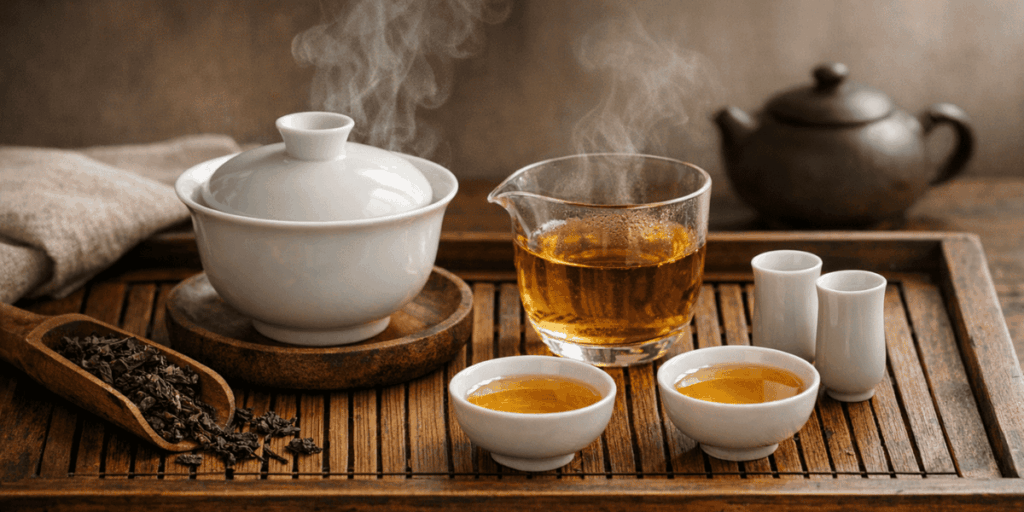
An Afternoon Tea Menu is only as good as the brew. Follow these rules to respect the leaf:
- Temperature Matters: Do not burn the First Flush! Use water at 85°C-90°C. For the Muscatel Second Flush, you can go up to 95°C.
- The Vessel: Use glass or porcelain. Porous clay pots can absorb flavor and ruin the nuances of a Single Estate tea.
- No Milk, No Sugar: For these high-grade orthodox teas, milk masks the terroir. Encourage your guests to taste the “rocky” mineral notes derived from our gneiss soil first.
Final Thoughts from the Hills
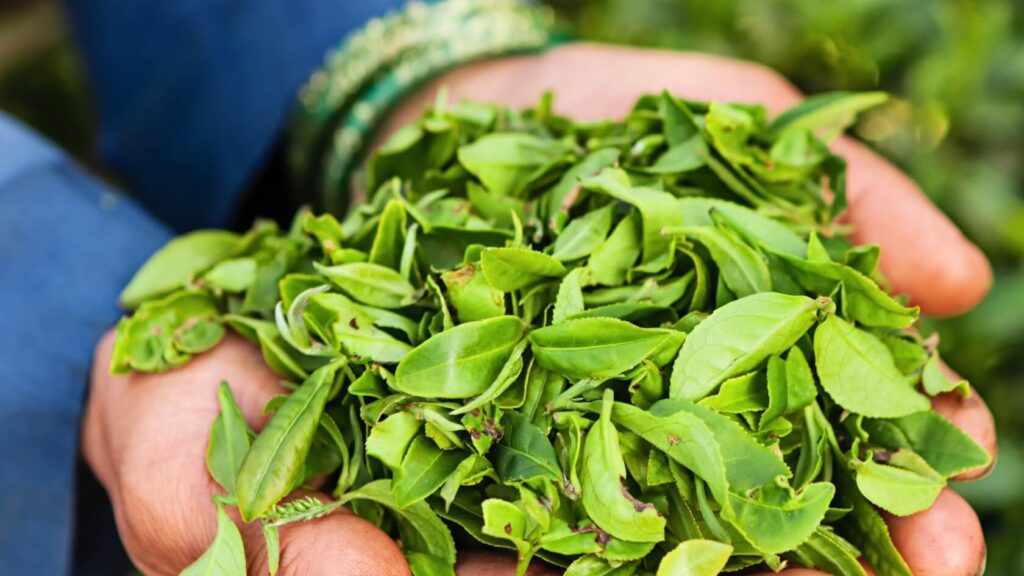
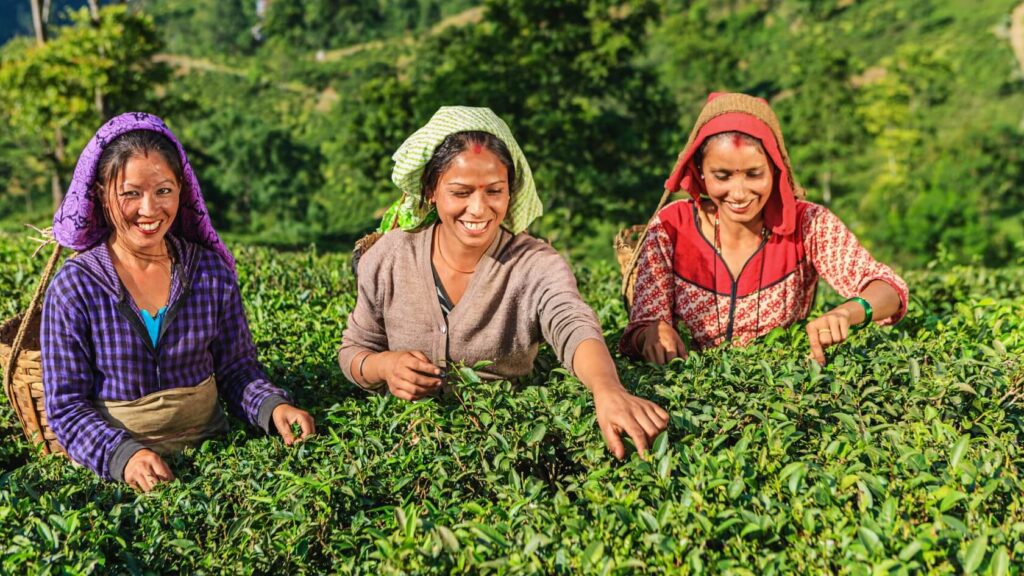
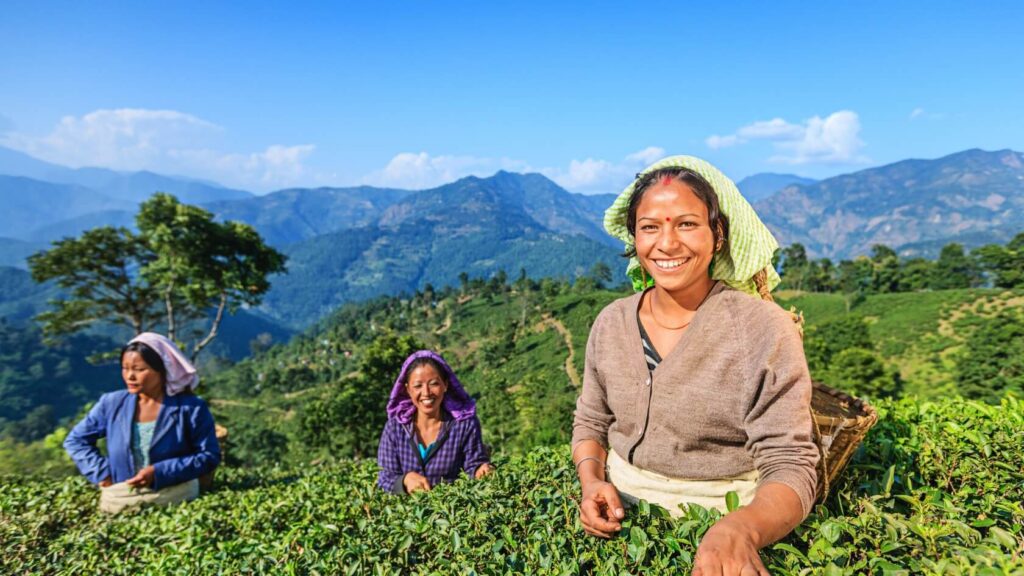
Building a modern Afternoon Tea Menu is about storytelling. Each cup you pour represents the 87 estates, the 70-degree slopes, and the hard work of the pluckers who harvest “two leaves and a bud” by hand. By curating your menu with this level of detail, you aren’t just hosting a party; you are acting as an ambassador for the finest teas in the world.
Want to verify the authenticity of your tea? Visit the Tea Board of India or check the European Commission GI Database for approved geographical indications.