You’ve likely heard Darjeeling tea called the “Champagne of Teas.” That isn’t just a fancy marketing slogan we invented to sound sophisticated. It is a strict legal definition protected by the Darjeeling GI Tag.
Just as sparkling wine can only be called “Champagne” if it comes from France, tea can only be called “Darjeeling” if it carries the official Darjeeling GI Tag and is grown in our 87 designated estates. In 2004, Darjeeling became the first product in India to receive this status—before Basmati rice or Alphonso mangoes.
Here is your complete guide to what the Darjeeling GI Tag means, why it exists, and—crucially—how it stops you from buying fake tea.
What is the Darjeeling GI Tag?
A Geographical Indication (GI) is a form of intellectual property right. It identifies a good as originating in a specific place where a particular quality, reputation, or other characteristic is essentially attributable to its geographical origin.
When the Indian government awarded us the Darjeeling GI Tag in 2004 (followed by PGI status in the European Union in 2011), they were legally recognizing a scientific fact: You cannot replicate this flavor anywhere else.
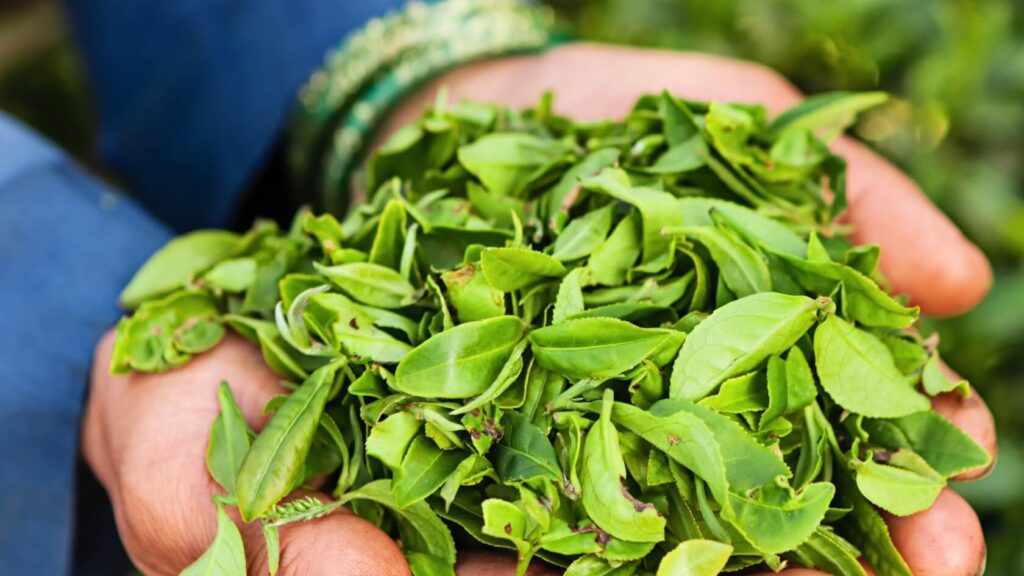
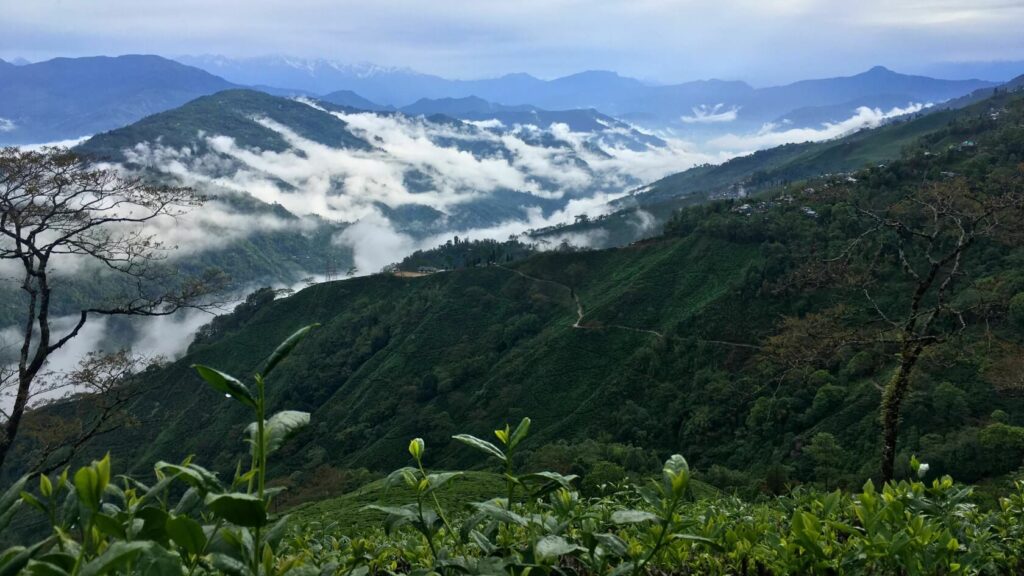
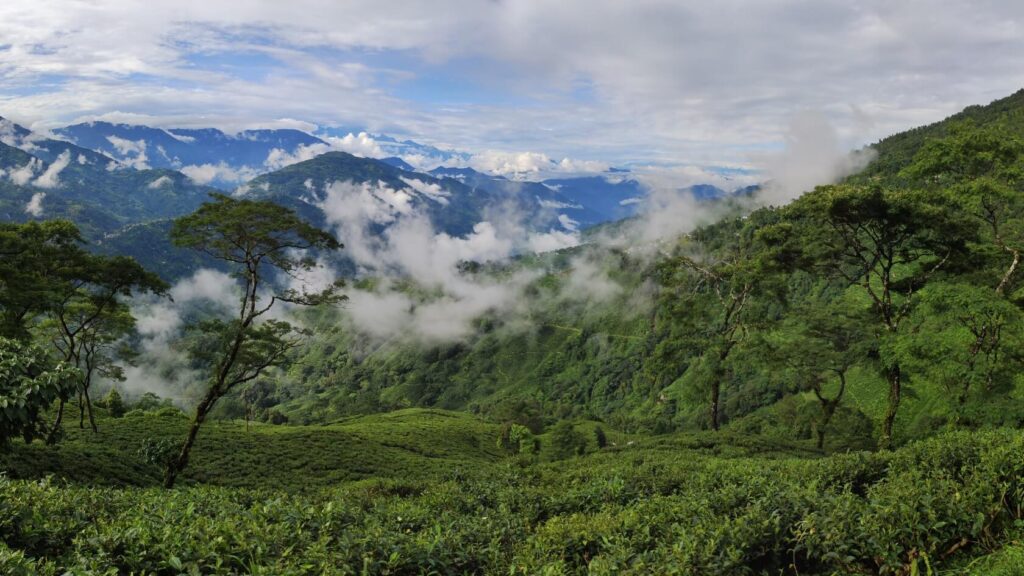
You can take our seeds (the Camellia sinensis var. sinensis) and plant them in Kenya, Sri Lanka, or even just across the border in Nepal. You might get good tea. But you will not get Darjeeling tea. The specific combination of our soil (rich in gneiss and schist), our steep 70-degree slopes, and the metabolic stress caused by our high altitude creates a flavor profile that is chemically unique to this district.
The 4 Legal Criteria for the Darjeeling GI Tag
To carry the official Darjeeling GI Tag logo (the profile of a woman holding a tea leaf), a tea must strictly satisfy four non-negotiable criteria. If a tea fails even one of these, it is not Darjeeling.
1. Cultivation in Designated Areas
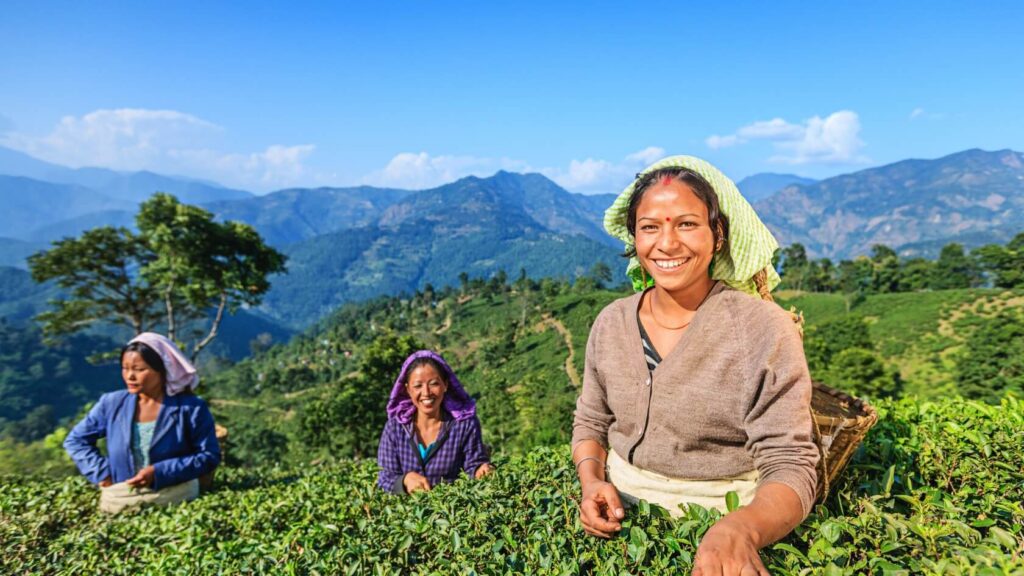
The tea must be cultivated in one of the 87 designated estates located within the Sadar, Kalimpong, Kurseong, Siliguri, and Mirik subdivisions. If it grows on the wrong side of the hill, it doesn’t get the tag.
2. Processing at Source
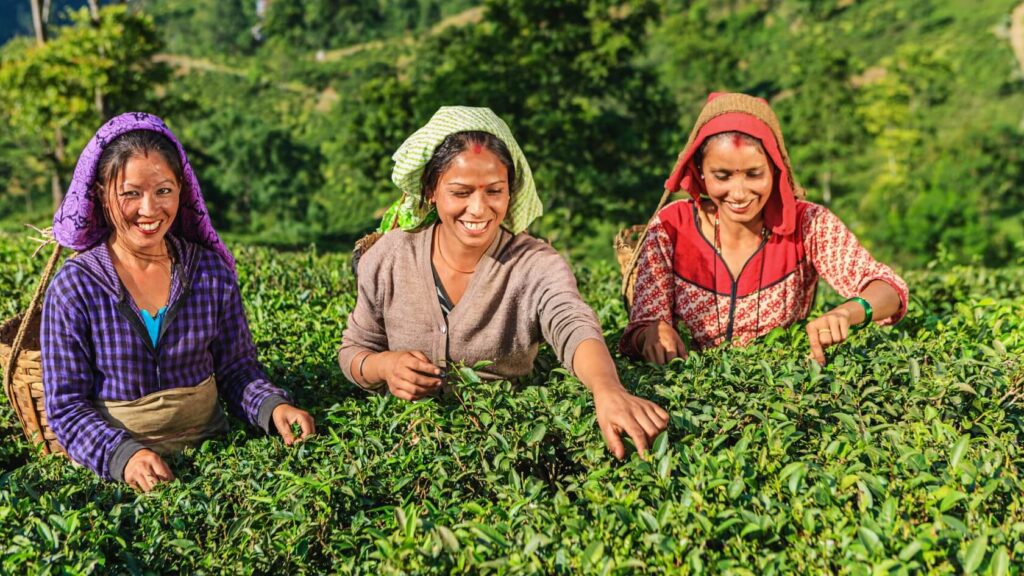
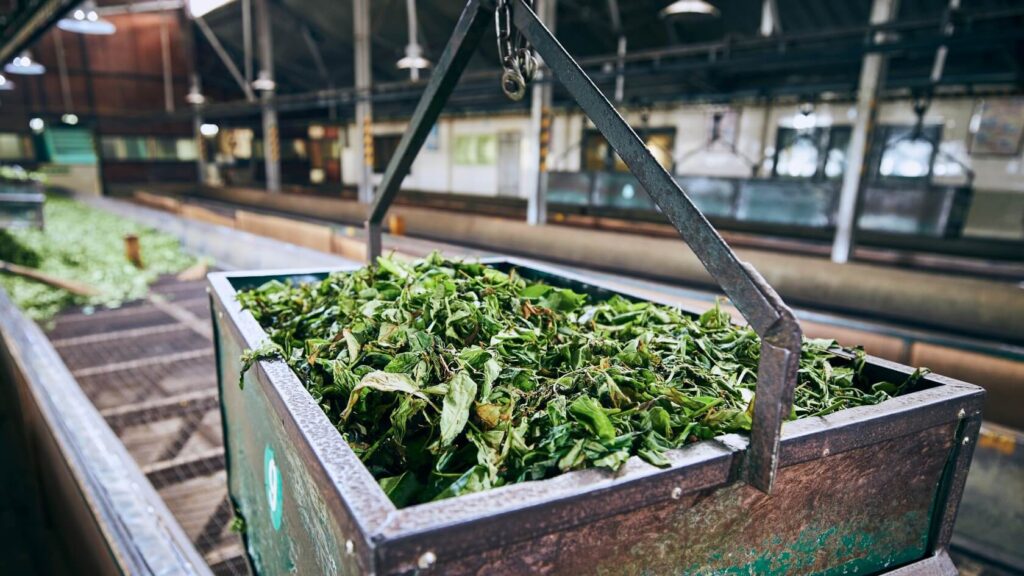
This is critical for quality. The leaf must be processed within the factory of that specific garden. It cannot be plucked here and trucked down to the plains for manufacturing. This rule ensures the delicate cellular integrity of the leaf is preserved immediately after plucking.
3. Botanical Purity
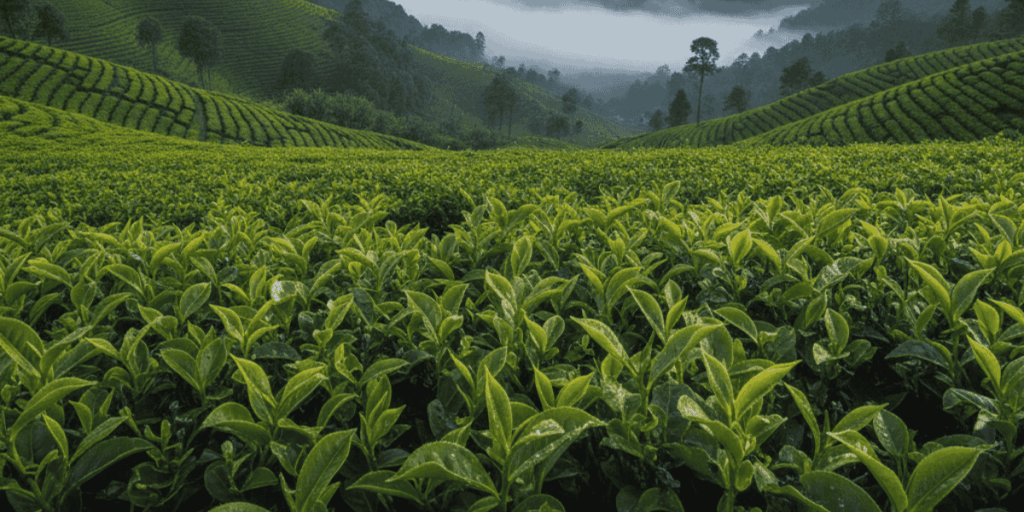
The tea must be derived from the Camellia sinensis var. sinensis (China bush) or approved clones (like the legendary AV2) that have been traditionally grown in the region for over 150 years.
4. Organoleptic Quality
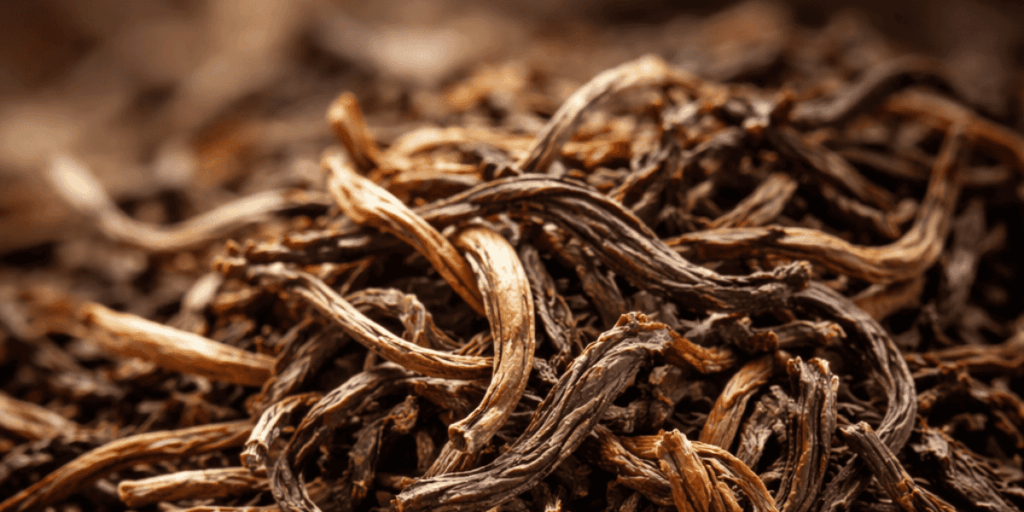
Finally, the tea must possess the distinctive aroma and flavor (terroir) of the district. This is the “muscatel” note—a complex floral and spicy flavor that the Darjeeling GI Tag was created to protect.
The Authenticity Crisis: Why the GI Tag Matters
We believe in Radical Transparency, so we need to be honest about the crisis facing our industry. The Darjeeling GI Tag is under threat from mass adulteration.
- The Production Reality: In a good year, the Darjeeling district produces about 6-7 million kilograms of tea.
- The Market Reality: Globally, about 40 million kilograms of tea is sold as “Darjeeling” every year.
Do the math. That means roughly 80% of the “Darjeeling” tea sold worldwide is fake.
Much of this is actually “Himalayan Tea” from Nepal. Now, we want to be clear: Nepal tea can be excellent. It is our “Himalayan cousin”—fruitier, more floral, and often very fresh. But because Nepal has lower production costs, unscrupulous traders blend it with a tiny amount of Darjeeling and sell it to you at full price.
The Darjeeling GI Tag is the only tool we have to stop this “adulteration,” which destroys the livelihood of our planters and cheats you out of the experience you paid for.
How to Spot Fake Darjeeling Tea
If you are buying tea online or in a shop, look for these three signs to ensure the Darjeeling GI Tag is being respected:
- Check the Logo: Authentic packets will often display the official GI logo (the woman with the tea leaf) and the Tea Board of India license number.
- Look for the Invoice Number: High-quality, single-estate tea will always list an “Invoice Number” (e.g., Castleton DJ-04). This is the DNA of the batch and allows for full traceability.
- Price Check: Authentic Darjeeling is labor-intensive. If you are seeing “Premium Darjeeling” sold for $5 per 100g, it is likely a blend. Authentic First Flush or Muscatel teas command a premium because of the sheer difficulty of their production.
Conclusion: The Taste of Place
When you see the Darjeeling GI Tag, you aren’t just buying a hot beverage. You are buying a piece of history, a specific geological event, and the hard work of a community that has survived here for 150 years.
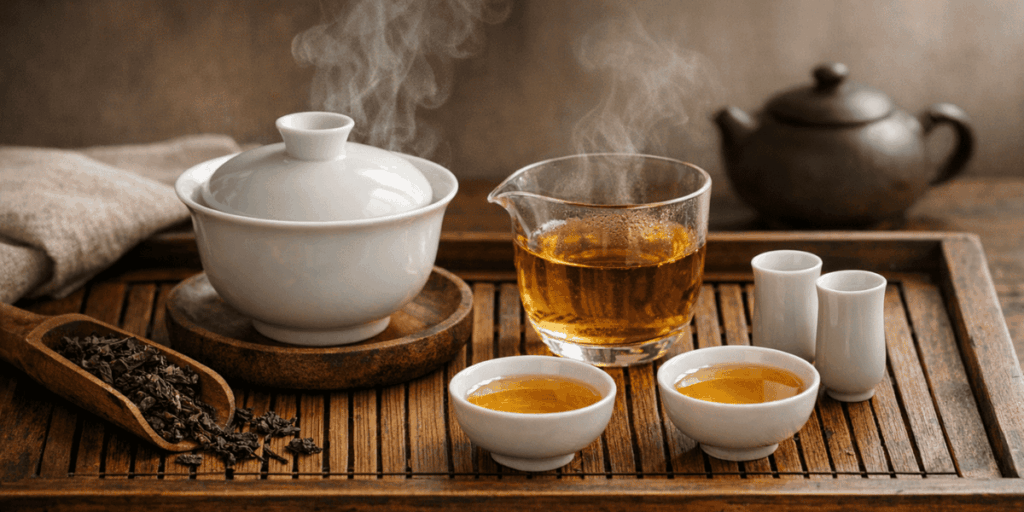
The tag ensures that when you sip your morning cup, you are tasting the mist of Kurseong and the sun of the Teesta Valley—not a cheap blend from an industrial warehouse.