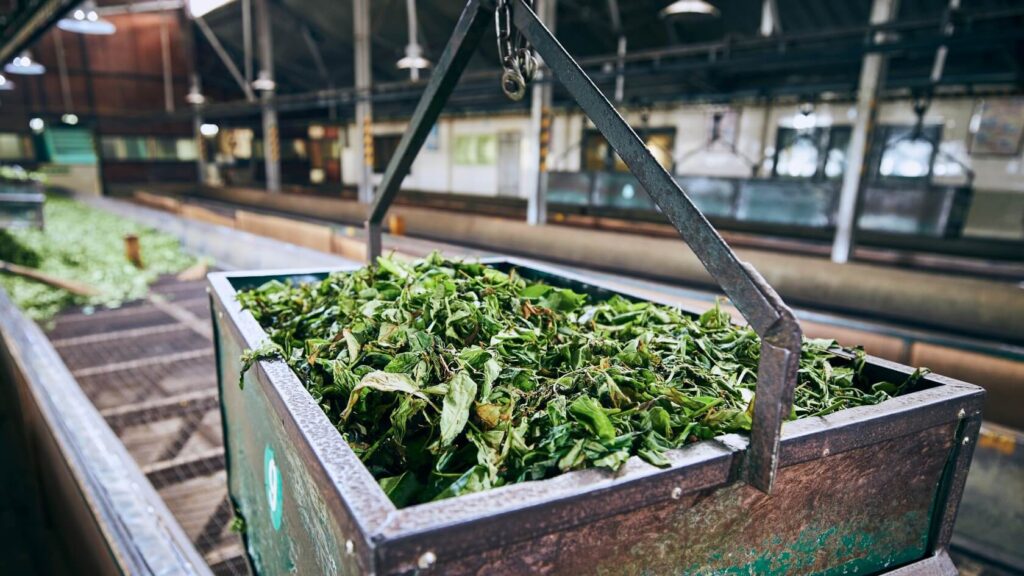
Darjeeling Green Tea is often misunderstood by the global palate. If you take a sip expecting the deep green, grassy “umami” punch of a Japanese Sencha, you might be confused. Standing here in the roasting room of the Makaibari factory, the air smells not of seaweed, but of toasted hazelnuts and wild orchids.
That difference is not a mistake; it is a hallmark of our terroir. Darjeeling Green Tea is a sophisticated, floral, and nutty cousin to the vegetable-forward teas of Japan. To appreciate it, you must understand the science of how we stop the oxidation.
What is Darjeeling Green Tea?
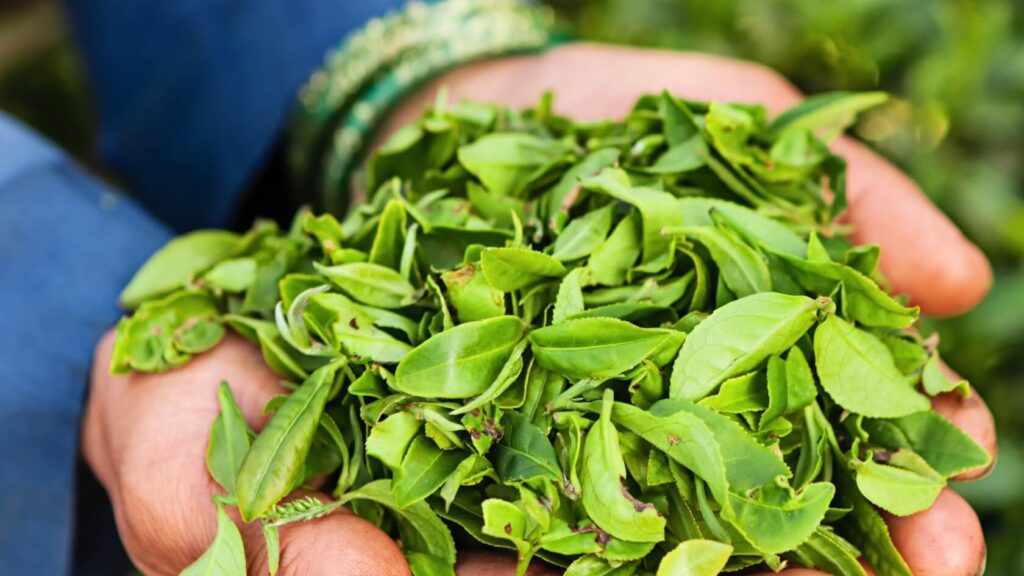
Darjeeling Green Tea is a non-oxidized tea produced in the Darjeeling district of India. Unlike Black tea (fully oxidized) or Oolong (semi-oxidized), Green tea production involves heating the leaf immediately after plucking to kill the enzymes that cause browning.
However, just because it is “Green” doesn’t mean it tastes like every other Green tea. The specific method we use in the Himalayas creates a profile that is lighter, brighter, and significantly more floral than its Japanese counterparts.
The “Kill-Green” Science: Steam vs. Fire
The primary reason Darjeeling Green Tea tastes different from Sencha lies in the “Kill-Green” (fixation) process.
- The Japanese Method (Steaming): Sencha is exposed to hot steam for 15-45 seconds. This locks in the chlorophyll, resulting in a vibrant emerald color and a “vegetal” or “seaweed” taste (rich in amino acids like L-Theanine).
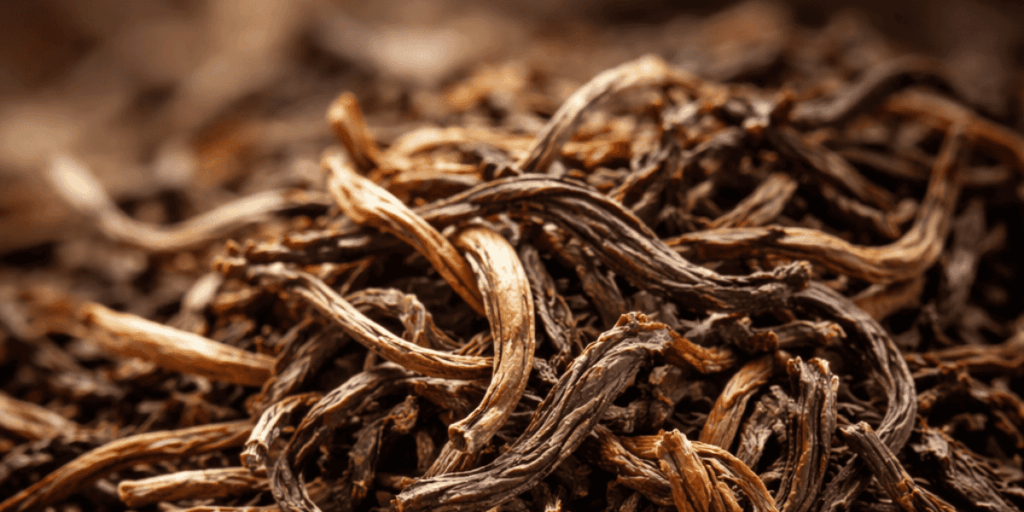
- The Darjeeling Method (Pan-Firing/Roasting): We typically use dry heat. The leaves are tumbled in hot metal pans or drums. This destroys the enzymes but also slightly toasts the leaf.
The Result: This dry heat prevents the “spinach” flavor and instead brings out toasted notes. A high-quality Darjeeling Green Tea will remind you of roasted corn, sweet hay, and musk, rather than the ocean.
The Cultivar Difference: China Bush vs. Yabukita
Botany plays a massive role in flavor.
- Japan: Most Sencha is made from the Yabukita cultivar, bred specifically for that heavy, savory umami punch.
- Darjeeling: Our Darjeeling Green Tea is often made from the original Camellia sinensis var. sinensis (China Bush) or specialized clones like AV2. These roots dig deep into our rocky soil, pulling up minerals that create a sharp, cleansing astringency rather than a thick broth.
Terroir: The Mountain Effect
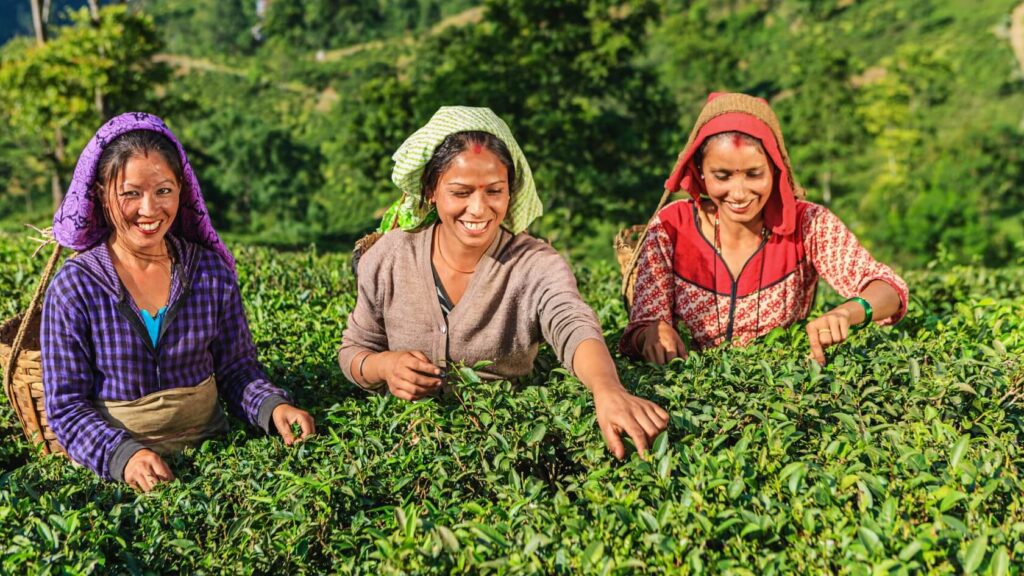
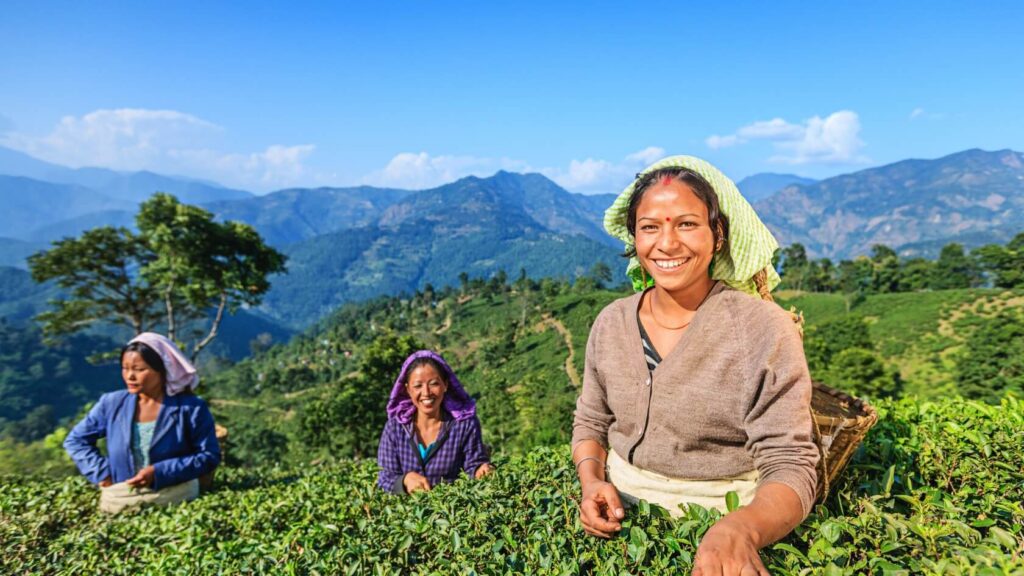
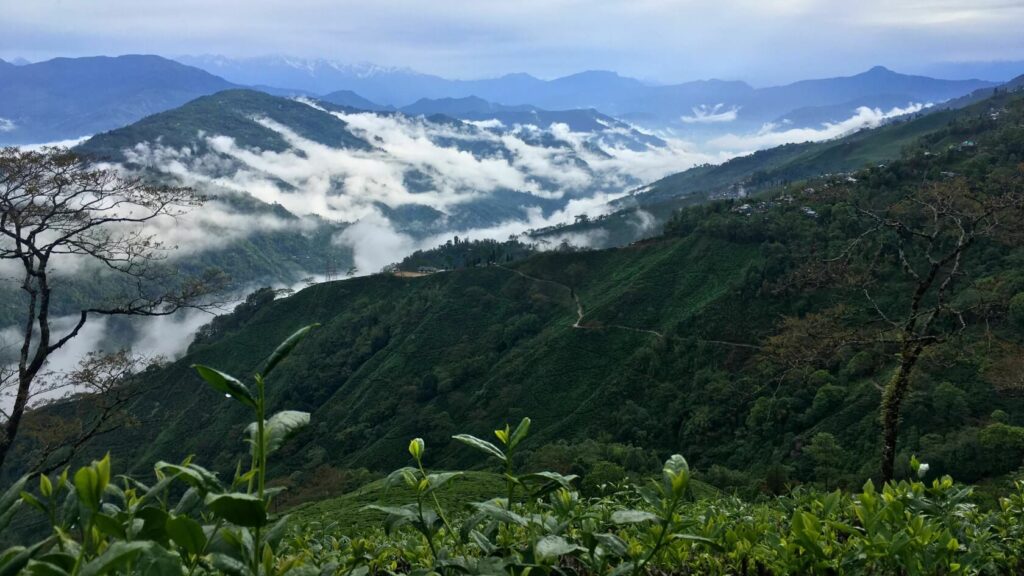
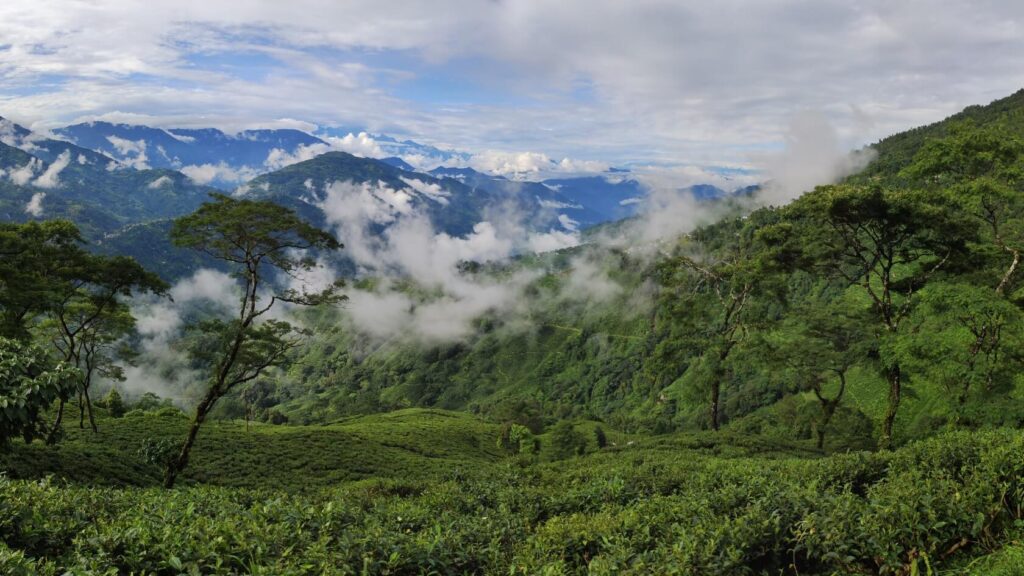
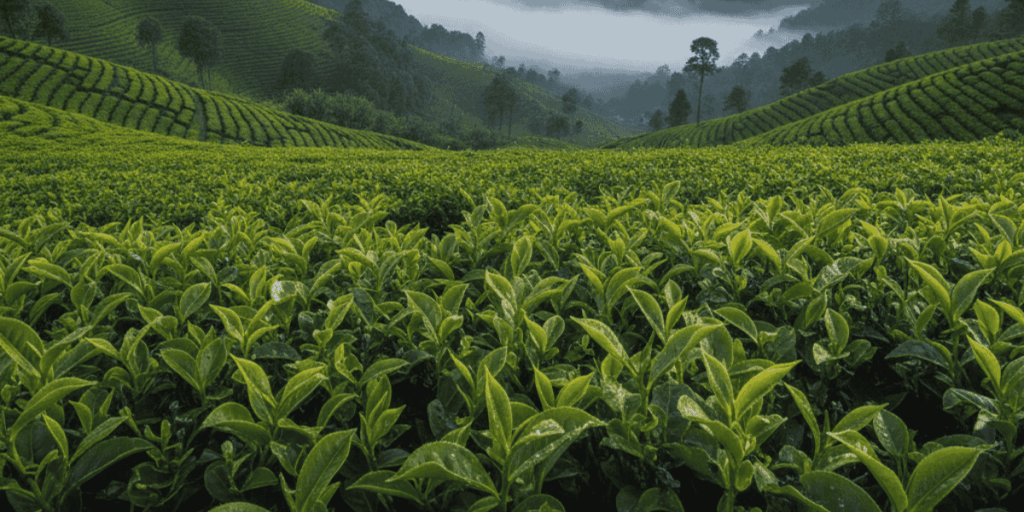
You cannot replicate the Himalayas. Darjeeling Green Tea is grown on steep 70-degree slopes at altitudes up to 7,000 feet.
- Stress: The cold mist and high UV rays stress the plant, forcing it to produce flavonoids for protection.
- Flavor: This results in a “nervous” complexity—high notes of flowers and citrus—that you simply don’t get from low-grown teas. Japanese tea fields are often flat and low-lying, which encourages rapid growth and a different chemical makeup.
How to Brew Darjeeling Green Tea
Because Darjeeling Green Tea is not steamed, it is slightly more forgiving than Sencha, but it still demands respect.
- Water: Soft water is non-negotiable.
- Temperature: 80°C (176°F). Do not use boiling water, or you will burn the delicate China bush leaves.
- Time: 2 to 3 minutes.
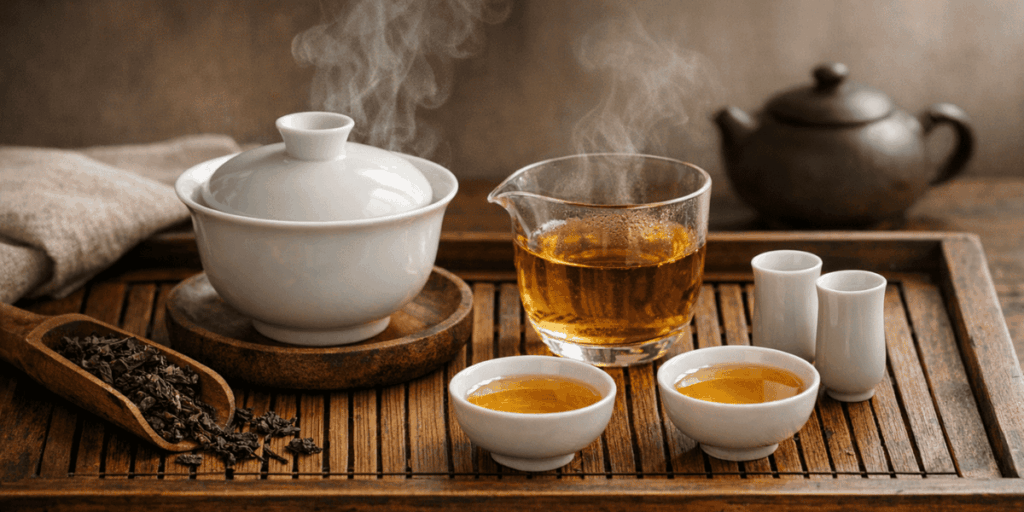
- The Color: Expect a pale yellow or light amber liquor, not the neon green of matcha or deep green of Sencha.
Conclusion
The next time you brew a cup, adjust your expectations. Darjeeling Green Tea is not trying to be Sencha. It is a “White Wine” experience in a world of “Green Juice” teas.
It is light, aromatic, and uniquely Himalayan.
To explore the authentic estates producing these rare greens, verify your source using the Tea Board of India’s authorized list (dofollow) or cross-check the estate name on the European Commission GI Database (dofollow) to ensure you aren’t buying a fake.