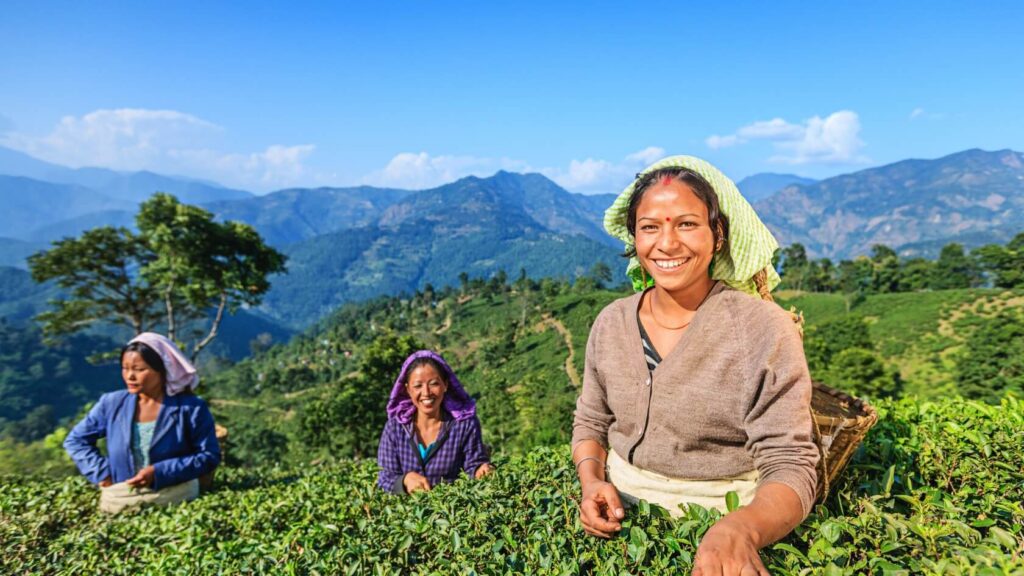
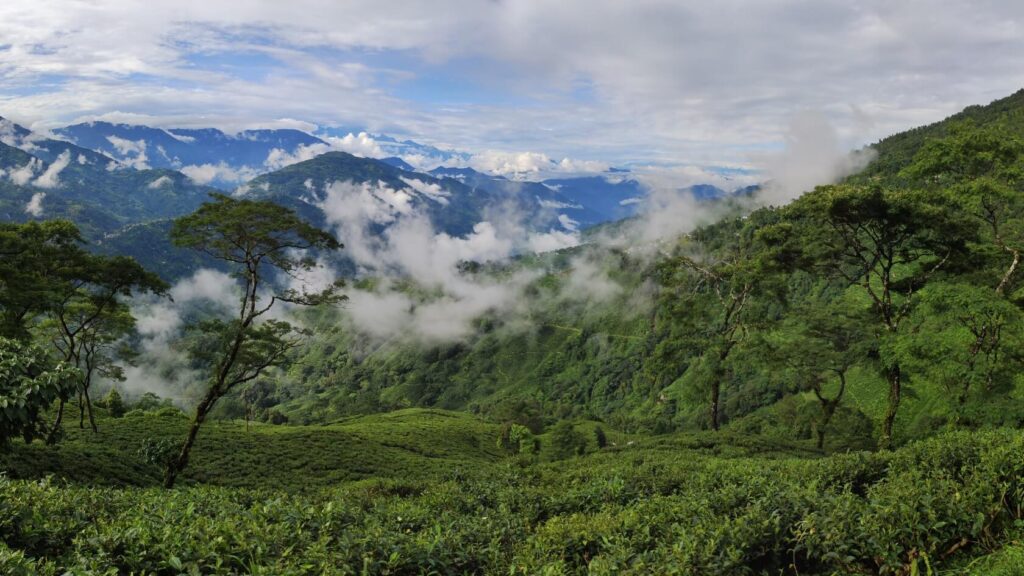
The Darjeeling Tea Labor Shortage is no longer just a rumor whispered in the Planters’ Club; it is the existential reality facing every estate from Mirik to the Teesta Valley. From our office here in the hills, the change is visceral. Where we once heard the chatter and songs of hundreds of pluckers moving through the camellia bushes, there are now often stretches of silence.
This isn’t just about supply and demand. It is about the potential extinction of the “Champagne of Teas” as we know it.
What Is the Darjeeling Tea Labor Shortage?
To understand the Darjeeling Tea Labor Shortage, you must look at the numbers. The industry is currently facing a severe crisis where daily worker absenteeism has reached alarming levels of 40% to 60%.
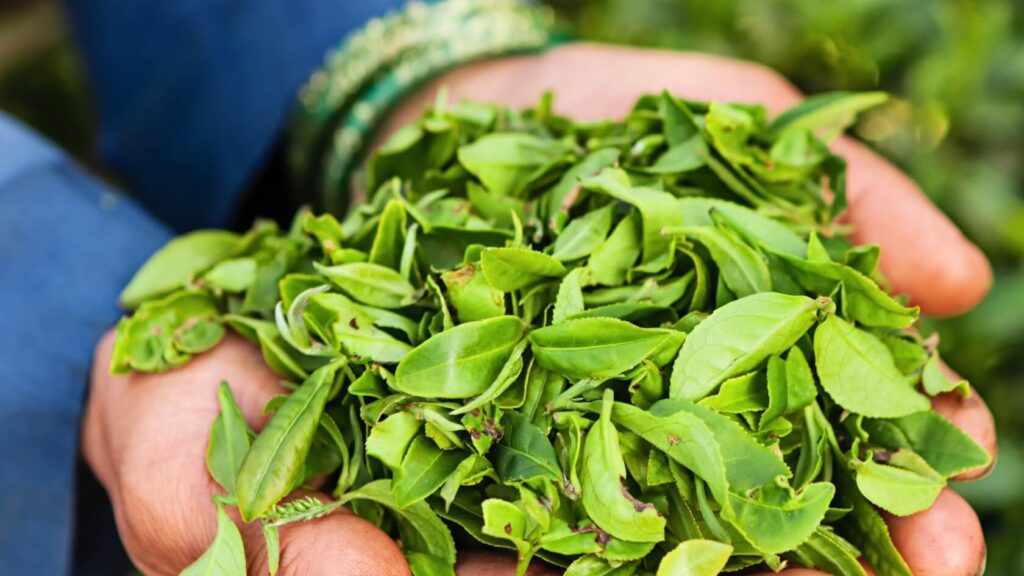
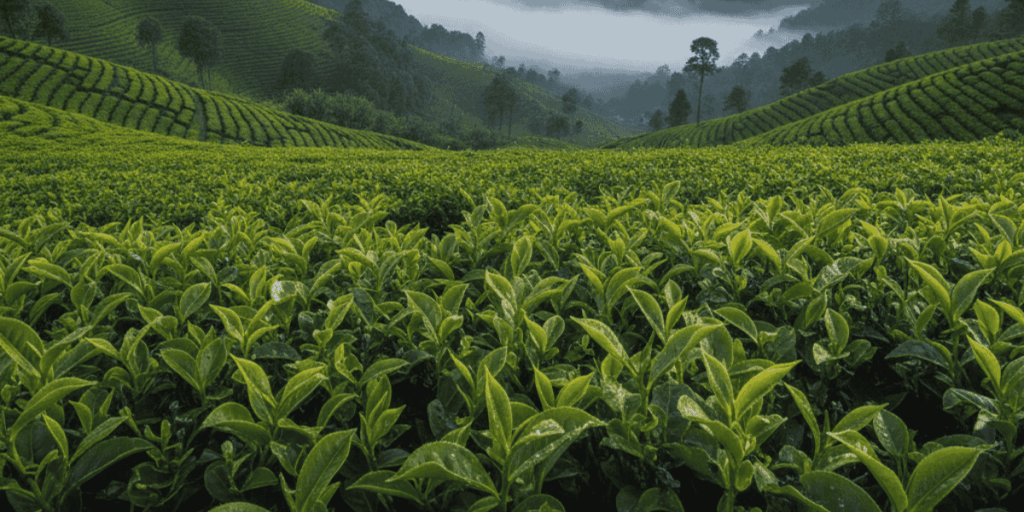
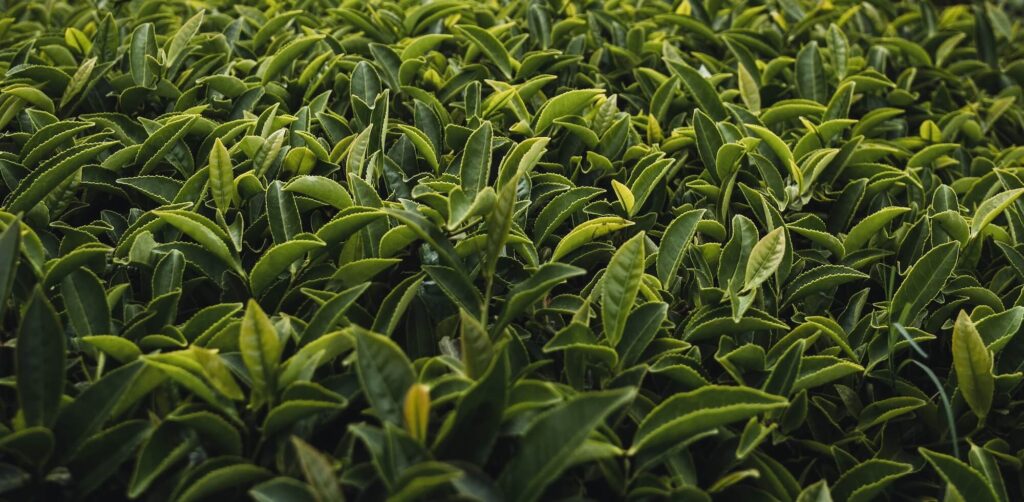
This means that on any given day during the crucial harvest, nearly half the workforce does not show up. For a crop that relies entirely on manual precision—specifically the plucking of “two leaves and a bud”—this is catastrophic. If these delicate shoots are not plucked within a strict 3-5 day window, they overgrow, turn fibrous, and the quality of the “First Flush” or “Muscatel” is lost forever.
Why Are the Pluckers Leaving?
The Darjeeling Tea Labor Shortage is driven by a “perfect storm” of socioeconomic shifts. It is not that the people have vanished; their aspirations have changed.
1. The Urban Migration
The younger generation of the Gorkha community is better educated than their parents. They naturally aspire to careers beyond the arduous manual labor of the slopes. Many are migrating to metropolitan hubs like Delhi, Bangalore, and Mumbai for service sector jobs. They prefer the stability of city life over the seasonal uncertainty of the tea gardens.
2. The Wage Disparity
Despite the Plantation Labour Act of 1951 mandating housing and medical care, the daily cash wage remains approximately ₹250 (roughly $3). While the “in-kind” benefits (housing, rations) add value, the hard cash component is often insufficient to retain youth who can earn more in the gig economy.
3. Competition from Welfare Schemes
Government initiatives like MGNREGA (which guarantees rural employment) offer alternative income sources that often compete directly with estate labor. This provides a safety net that allows workers to opt out of the grueling tea plucking schedule, further fueling the Darjeeling Tea Labor Shortage.
The Impact on Your Cup
Why should a tea drinker in London or New York care about the Darjeeling Tea Labor Shortage? Because it directly dictates the quality and price of your brew.
- Higher Prices: With production collapsing from 14 million kg to just 6.3 million kg, scarcity is driving up the cost of authentic, single-estate tea.
- Adulteration Risks: As genuine Darjeeling becomes rarer, the market is flooded with cheaper “Himalayan” tea from Nepal or blends.
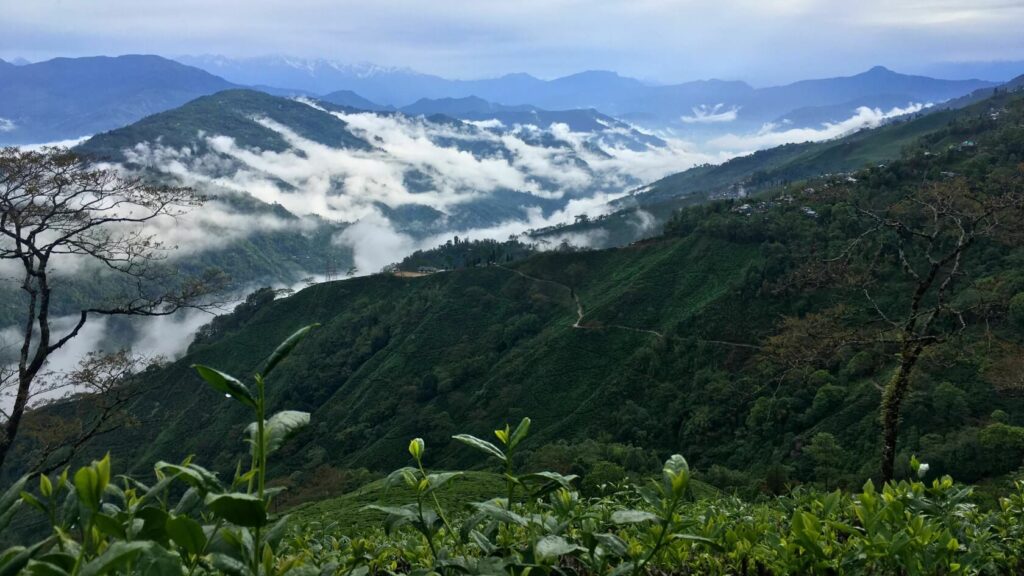
- The Survival of Terroir: Without skilled human hands to maintain the 70-degree slopes, the bushes go wild. You cannot harvest premium orthodox tea with a machine.
Solving the Crisis: The Direct Trade Future
We believe the solution to the Darjeeling Tea Labor Shortage lies in value, not volume. The old auction model, where prices have stagnated for six years, cannot support higher wages.
By shifting to a Direct Trade model, estates can capture the true value of their “Grand Cru” harvests. When you buy a “Single Estate” tea directly through platforms like ours, you are helping to restore the margins that allow estates to improve wages and infrastructure.
Strategist’s Insight: This is why we push for “Radical Transparency.” When you see a higher price tag on a DJ-10 invoice, you aren’t just paying for flavor; you are paying for the survival of the community that crafted it.
Conclusion: The Silence in the Hills
The Darjeeling Tea Labor Shortage is a wake-up call. The era of cheap, abundant Darjeeling tea is over. To save this heritage industry, we must treat it as a luxury asset, similar to fine wine. We must support the estates that are innovating and finding ways to keep their workforce engaged.
To understand the economics behind your cup, read the latest reports from the Indian Tea Association or the global sustainability insights from Fairtrade International.