The Fake Darjeeling Scandal is the industry’s worst-kept secret. Every year, the global market consumes approximately 40 million kilograms of tea labeled “Darjeeling.” Yet, here in the district, our 87 operational estates only produce about 6.3 million kilograms.
The math is terrifyingly simple: nearly 80% of the “Darjeeling” tea sold worldwide is not Darjeeling at all. From our vantage point here in the hills, we see the trucks crossing the border daily. This isn’t just about fraud; it is about a legal and economic loophole that threatens the survival of our terroir.
What Is the Fake Darjeeling Scandal?
The Fake Darjeeling Scandal refers to the widespread practice of blending authentic Darjeeling tea with cheaper, geographically similar tea from Nepal, and selling the mixture as 100% pure Darjeeling.
This adulteration dilutes the brand value of the “Champagne of Teas” and cheats the consumer. But to understand how this happens, we must first look at our neighbors.
The “Himalayan Cousin”: Understanding Nepal Tea
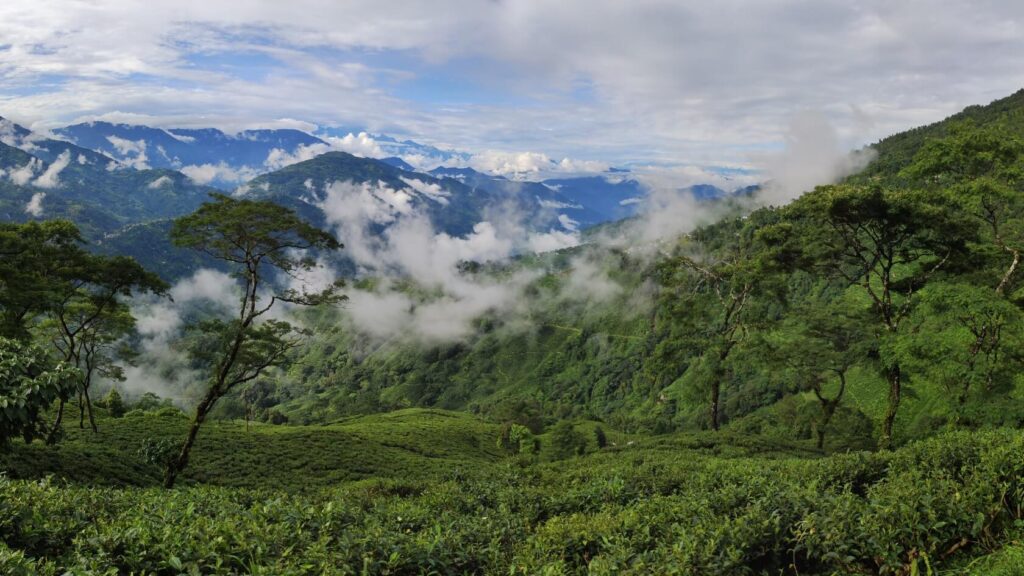
We must be clear: Nepal tea is not “bad” tea. In fact, the Ilam district of Nepal shares a contiguous border with us.
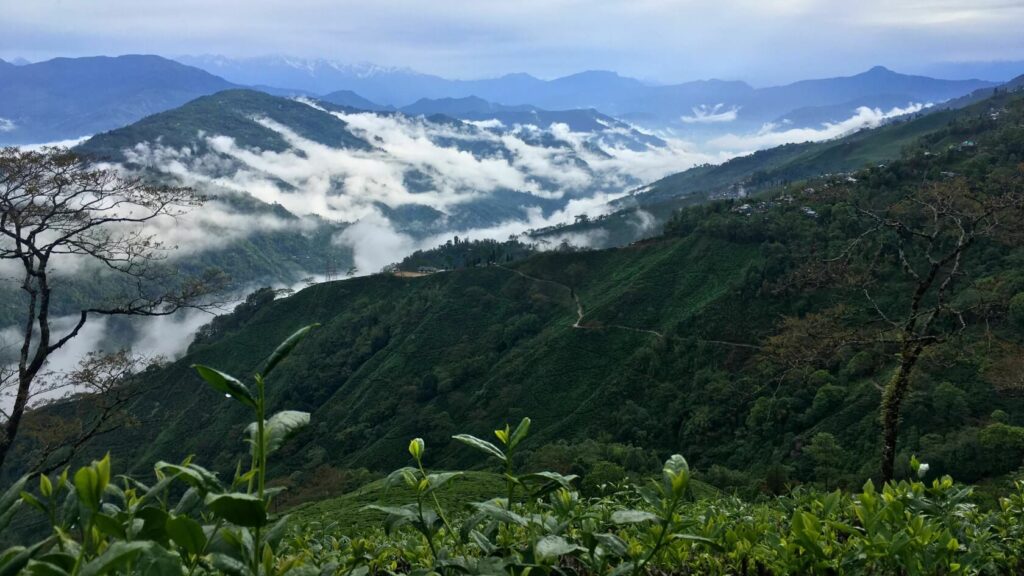
- Same Geography: The altitude, soil, and mist patterns are virtually identical.
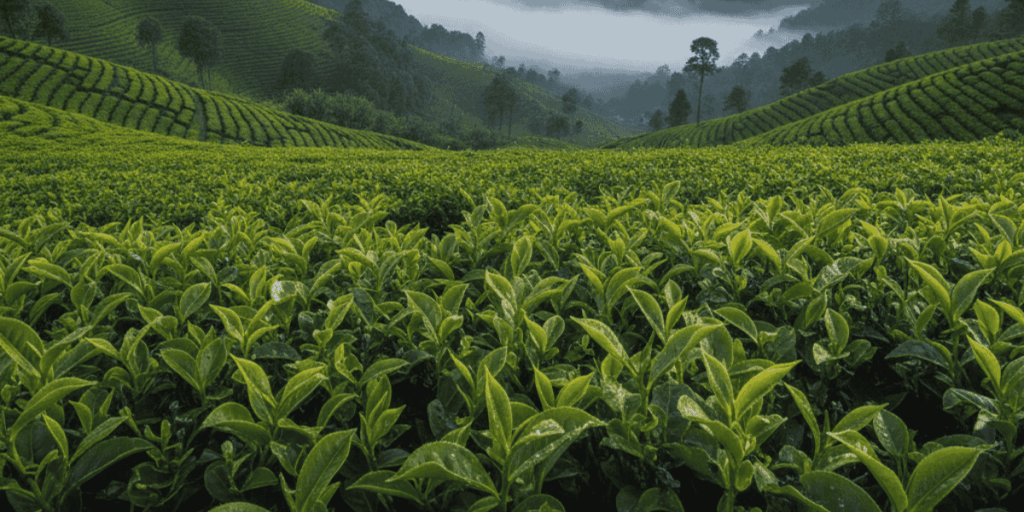
- Same Botany: Many Nepali growers have planted high-quality Camellia sinensis and even the prized AV2 clones found in our best gardens.
However, a “Himalayan Cousin” is not the same as the heir to the throne. While excellent, Nepal tea often lacks the deep, mineral “musk” of Darjeeling, leaning instead towards a fruitier, spinach-like profile. The Fake Darjeeling Scandal thrives because untrained palates cannot easily tell the difference.
The Economic Engine: Why Cheat?
The driver of the Fake Darjeeling Scandal is pure economic arbitrage.
- Cost of Production: Darjeeling estates are bound by the Plantation Labour Act of 1951, which mandates housing, medical care, and social welfare for workers. This pushes our cost of production to over ₹500-600 per kg.
- The Nepal Advantage: Nepal’s industry is dominated by Small Tea Growers (STGs) who are not burdened by these statutory requirements. They can produce high-quality green leaf at a fraction of the cost.
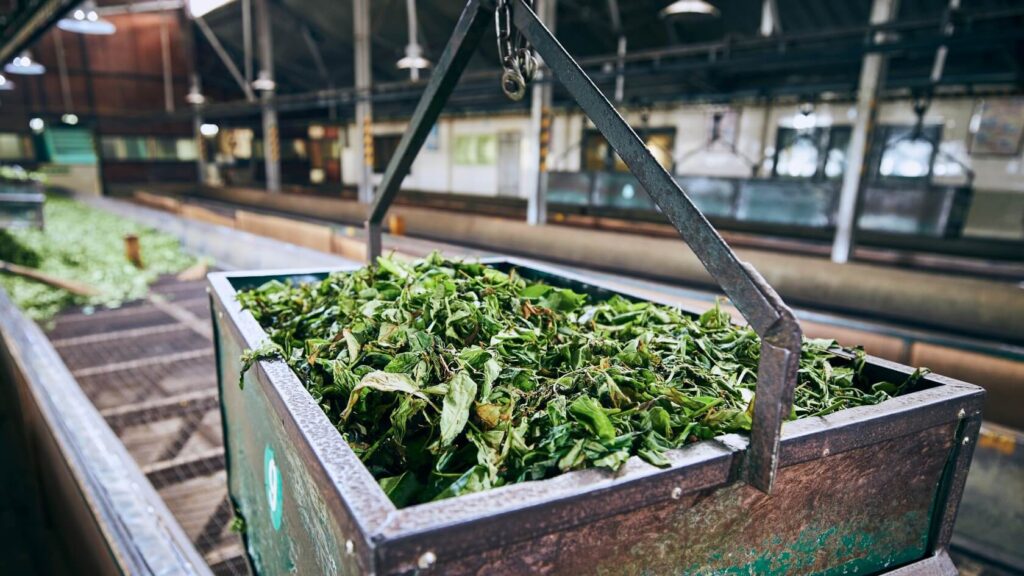
Unscrupulous traders buy this cheaper leaf, bring it across the border, and mix it. The profit margin on this “blended” tea is massive, undercutting the honest estates that play by the rules.
The “Himalayan Loophole”: The Treaty
How is this legal? It stems from the Indo-Nepal Treaty of Trade and Transit. This treaty allows Nepali tea to be imported into India duty-free. While intended to foster trade, it has become the mechanism for the Fake Darjeeling Scandal. Once the tea enters India, it enters the blending warehouses of Siliguri and Kolkata, where it often “becomes” Darjeeling on paper before being re-exported to Europe or the USA.
How to Protect Yourself from the Scandal
As a consumer, you are the final line of defense against the Fake Darjeeling Scandal. Here is how to ensure you are drinking the real thing:
- Check the Logo: Look for the official Darjeeling CTM (Certification Trade Mark) logo, a profile of a woman holding a tea leaf.
- Demand the Invoice Number: Authentic single-estate tea always carries an invoice number (e.g., Castleton DJ-04). This traces the batch back to the specific day of harvest.
- Know the Taste: Real Darjeeling has a distinct astringency and “briskness” that creates a sensation on the roof of the mouth. If your tea feels overly smooth, grassy, or lacks that “nervous” structure, it might be a high-quality Nepal blend masquerading as the real deal.
Conclusion: Value Authenticity
The Fake Darjeeling Scandal will only end when consumers demand transparency. At Teas of Darjeeling, we believe in celebrating both regions—but separately. Enjoy Nepal tea for its floral sweetness, and enjoy Darjeeling for its unparalleled muscatel terroir. But never pay the Darjeeling price for a tea that didn’t grow in these 87 gardens.
For more on Geographical Indications, visit the World Intellectual Property Organization (WIPO) or the Tea Board of India.