Picture this: You are sitting in a cafe in Paris, or perhaps browsing a high-end supermarket aisle in New York. You pick up a tin labeled “Pure Darjeeling.” You pay a premium price, anticipating that distinctive muscatel flavor known as the “Champagne of Teas.”
But what if I told you there is an 80% chance that the tea in your cup never touched the soil of Darjeeling?
This is the open secret of the tea industry. It is a discrepancy so massive it has a name: The 40 Million Kg Lie.
The Math That Doesn’t Add Up
The numbers tell a startling story. The Tea Board of India confirms that the 87 certified tea estates in the Darjeeling district produce roughly 8 to 10 million kilograms of tea annually.
However, the global market sells approximately 50 million kilograms of tea labeled as “Darjeeling” every year.
The Reality Check: For every 5 kilograms of “Darjeeling” tea sold around the world, only 1 kilogram is actually grown in the region. The other 4 kilograms are fake Darjeeling tea.
Where Does the Fake Darjeeling Tea Come From?
Usually, the “fake” tea is not necessarily bad tea; it is simply misidentified tea. The imposter is most often tea from Nepal, or sometimes lower-grade tea from other Indian regions like Dooars or Nilgiri.
Because Nepal shares a border and similar topography (Himalayan altitude and soil) with Darjeeling, the tea grown there can look and taste remarkably similar. However, Nepal tea costs a fraction of the price to produce. Unscrupulous blenders will often mix 20% genuine Darjeeling with 80% Nepal tea—or simply swap it out entirely—and sell it under the prestigious Darjeeling label to maximize profits.
Why Does Authenticity Matter?
You might ask, “If it tastes similar, why should I care?”
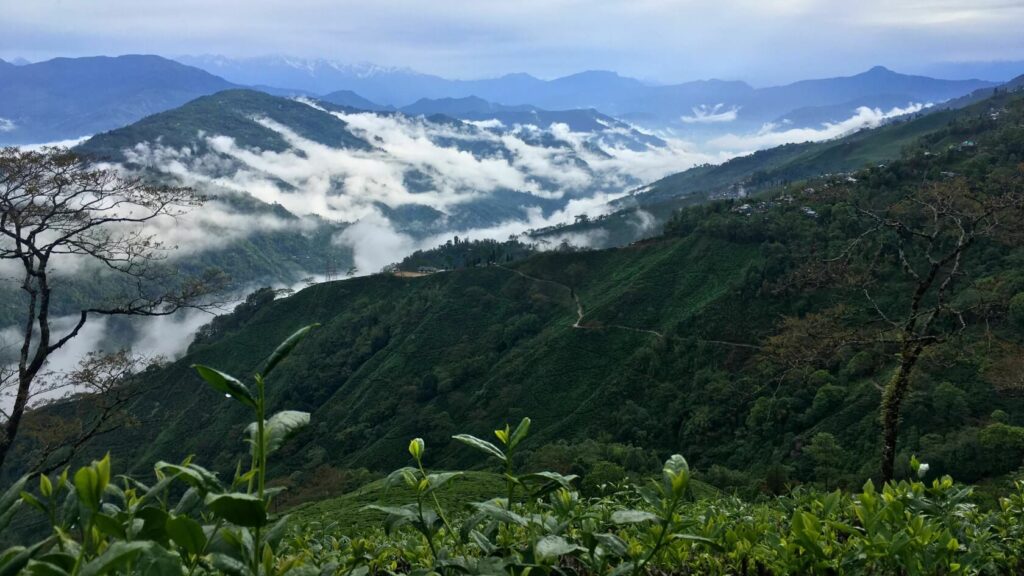
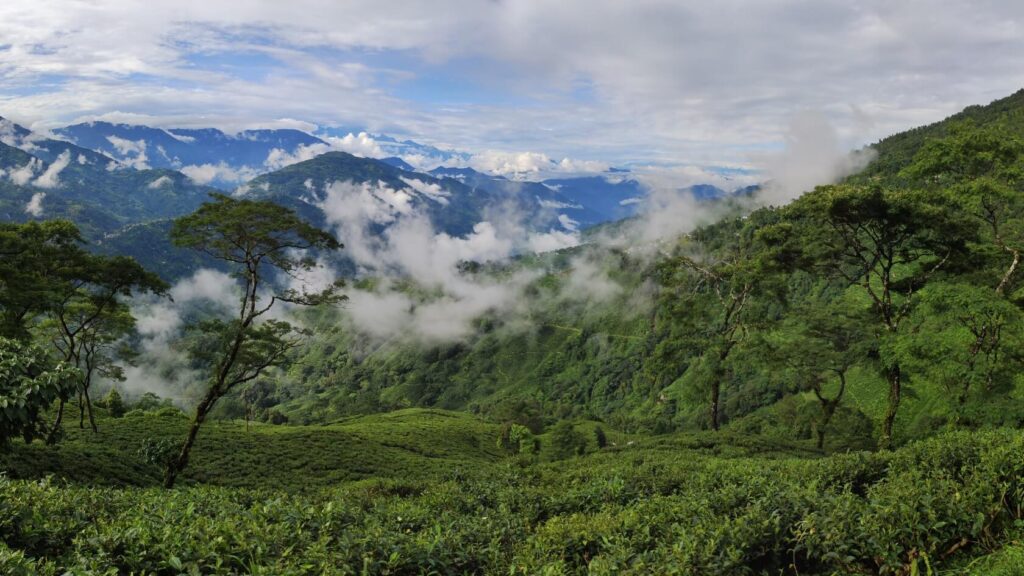
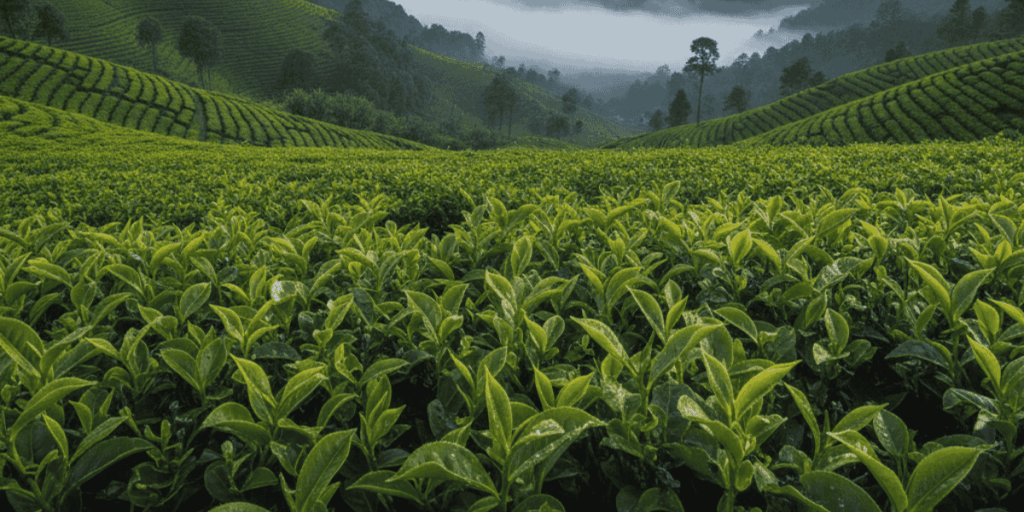
- The Terroir: True Darjeeling has a complex flavor profile—ranging from floral to muscatel—that is strictly tied to the specific genetics of the bushes (often Chinese variety) and the unique microclimate of the region.
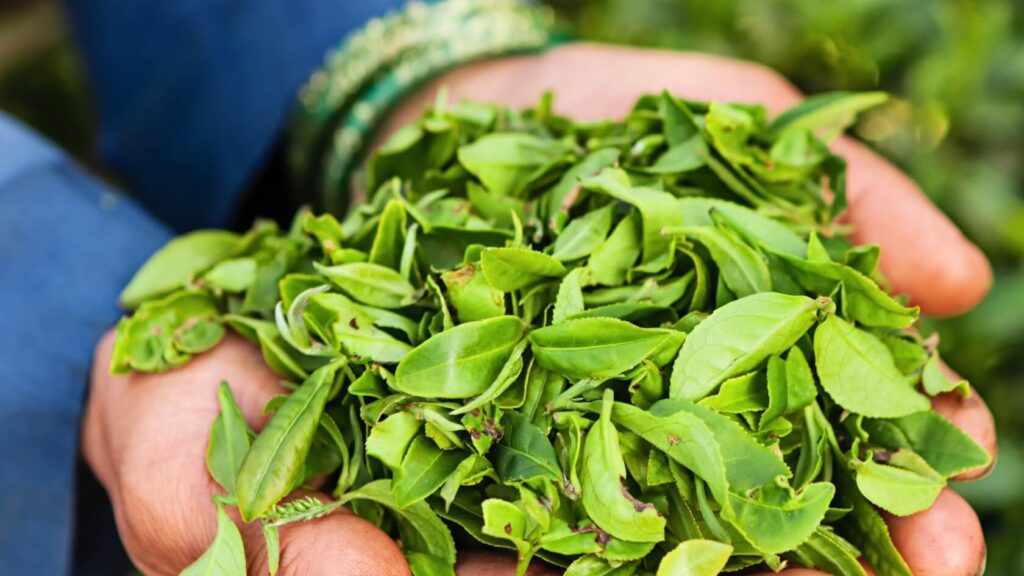
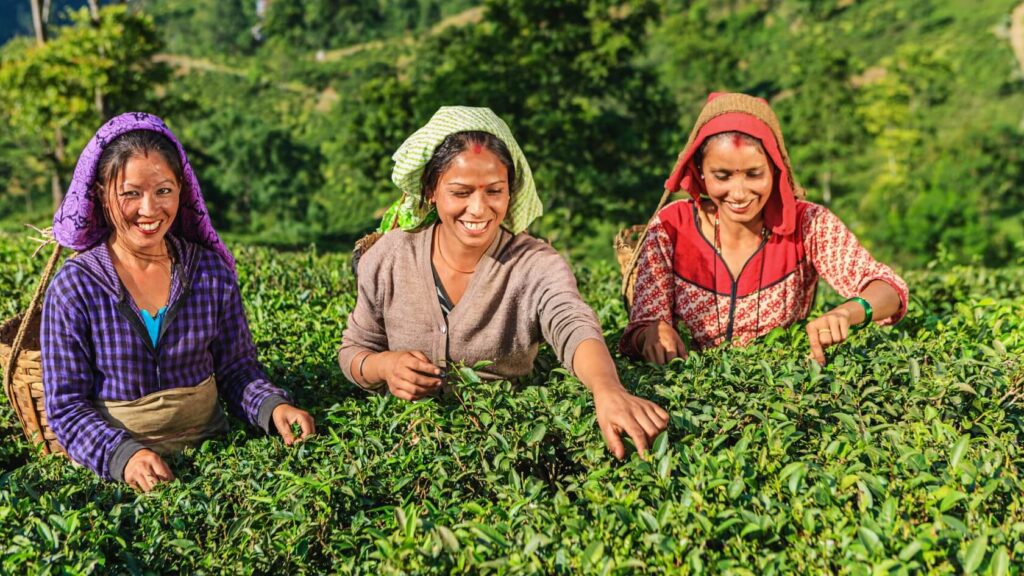
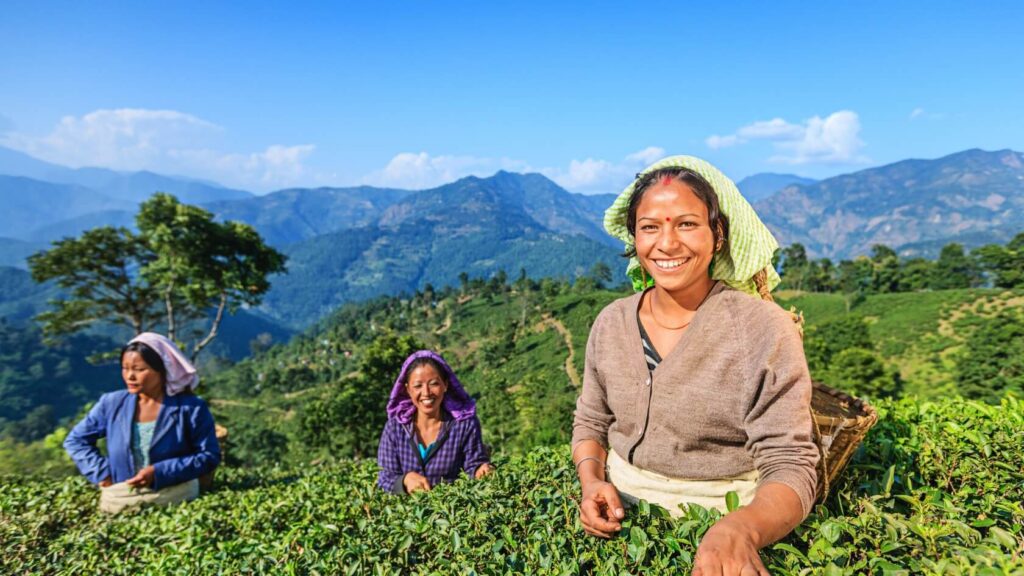
- Heritage and Livelihood: Darjeeling tea production is labor-intensive and steeped in history. When you buy fakes, the premium price you pay goes to middlemen and fraudsters, rather than supporting the authentic estates and the workers who hand-pluck the leaves in the difficult terrain of West Bengal.
- Consumer Rights: You deserve to get what you pay for. Paying champagne prices for sparkling wine is simply unfair.
How to Spot Real Darjeeling Tea
The Tea Board of India has fought hard to protect the brand, securing a Geographical Indication (GI) status for Darjeeling tea (the first product in India to get one!). This puts it in the same league as Champagne from France or Tequila from Mexico.
Here is your checklist to avoid the fakes:
- Look for the Certifying Logo: Authentic packets should carry the official Darjeeling CTM (Certification Trade Mark) logo—a profile of a woman holding a tea leaf.
- Check the Estate Name: Generic “Darjeeling” labels are red flags. Authentic sellers usually list the specific estate (e.g., Makaibari, Glenburn, Castleton, Jungpana). If the seller knows the origin, they will proudly display it.
- The Price Test: Authentic Darjeeling is difficult to grow and yields are low. If the price looks “too good to be true” compared to other premium teas, it is likely a blend.
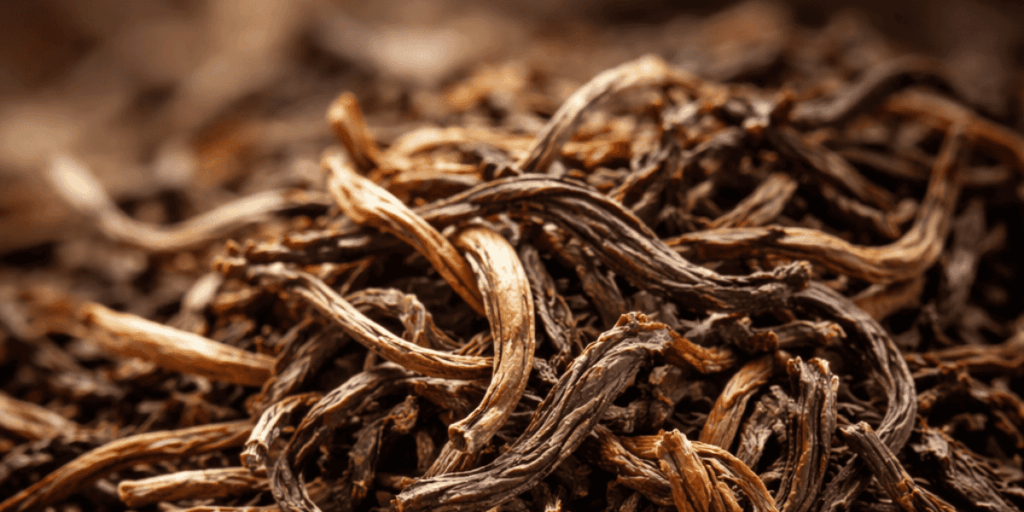
- Whole Leaf vs. Dust: While tea bags exist, high-quality Darjeeling is almost always sold as loose leaf. If you cannot see the leaves, it is harder to verify the quality.
The Bottom Line
The “40 Million Kg Lie” continues because consumers are unaware of the rarity of the product they are buying. By being vigilant and looking for the GI logo and estate names, you protect a centuries-old legacy and ensure your morning cup is truly the Champagne of Teas.
Don’t settle for the blend. Drink the original.