Glenburn Tea Estate Tourism: The Gold Standard
Glenburn Tea Estate Tourism is not just a business vertical; it is the benchmark for the entire region.
While many estates in Darjeeling focus solely on the crop, Glenburn realized decades ago that the “Third Wave” of tea isn’t just about the leaf—it’s about the lifestyle. Located deep in the valley on the banks of the River Rungeet, Glenburn has successfully transformed from a simple agricultural plot into a world-class hospitality brand.
For us locals, Glenburn Tea Estate Tourism proves that Darjeeling can rival Napa Valley or Bordeaux. It offers an immersive experience where the history of the Raj meets modern luxury.
From 1859 to “Relais & Châteaux”
To appreciate Glenburn Tea Estate Tourism, you must understand its lineage. Established in 1859 by a Scottish company, it passed through history until it reached the Prakash family, one of India’s most prominent tea dynasties (the “Chaiwalas”).
Under the vision of Husna-Tara and Anshuman Prakash, the estate didn’t just sell tea; it opened its doors. They restored the original “Burra Bungalow” (Manager’s House) with painstaking detail—four-poster beds, hand-embroidered linens, and English cottage gardens.
This dedication to authenticity is why Glenburn is often associated with prestigious networks like Relais & Châteaux. It isn’t a hotel; it is a time machine.
The “Vineyard” Model: Sleep Where You Sip
The success of Glenburn Tea Estate Tourism lies in its “Vineyard Model.” In France, you visit the winery, meet the winemaker, and sleep overlooking the vines. Glenburn replicates this perfectly.
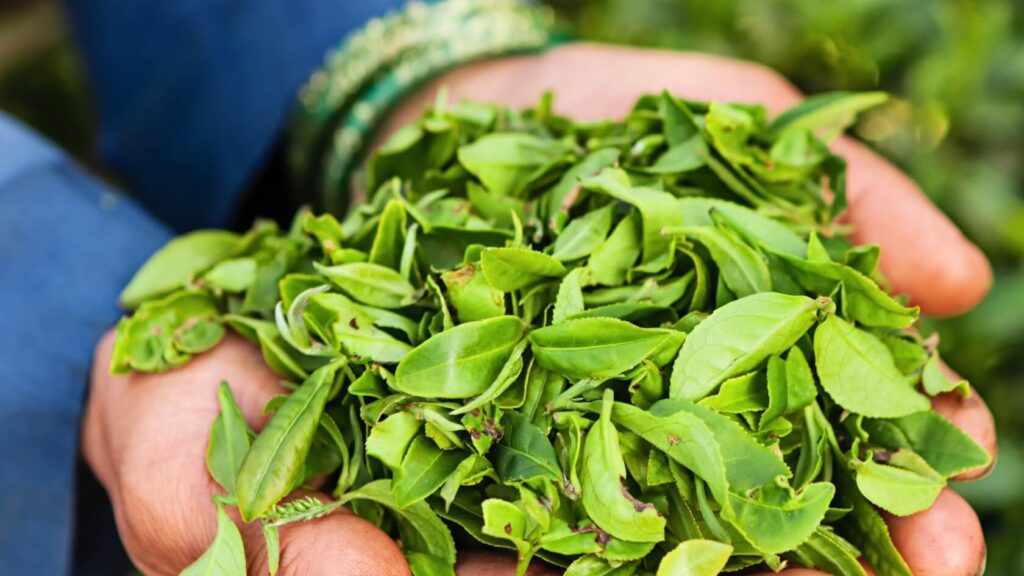
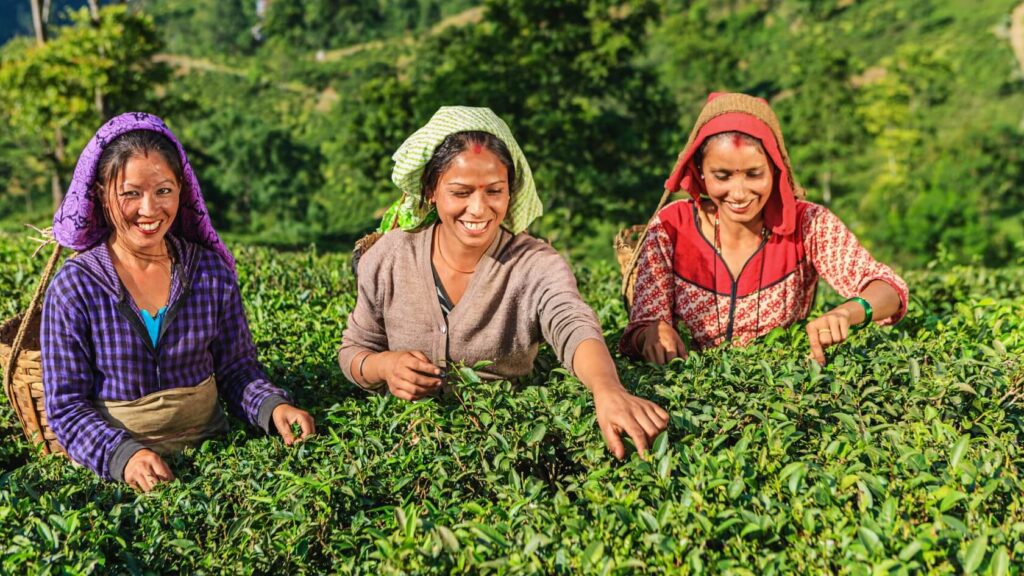
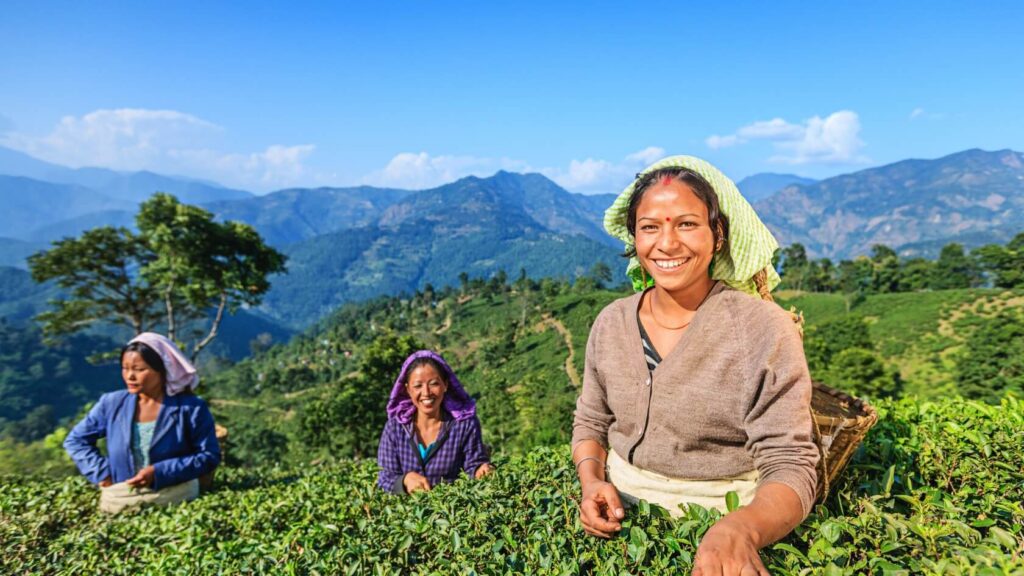
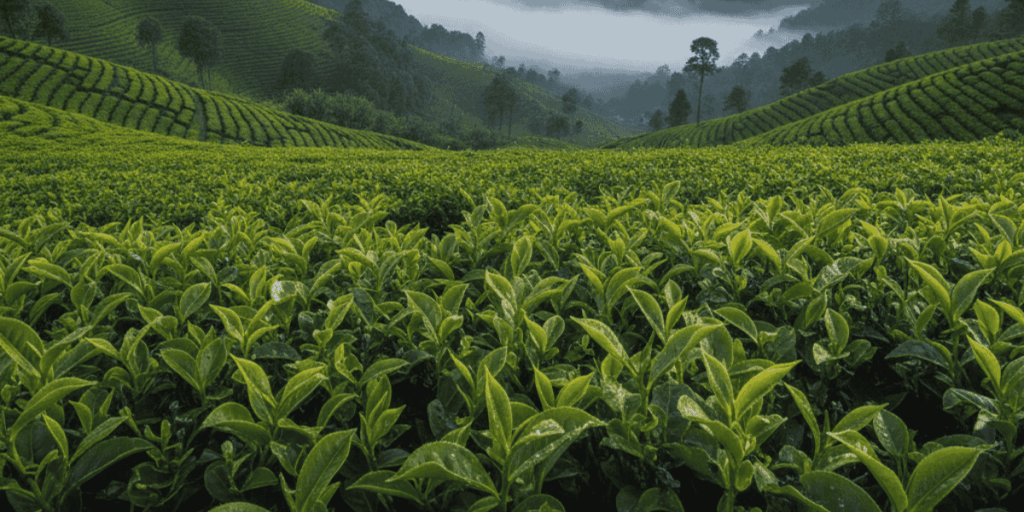
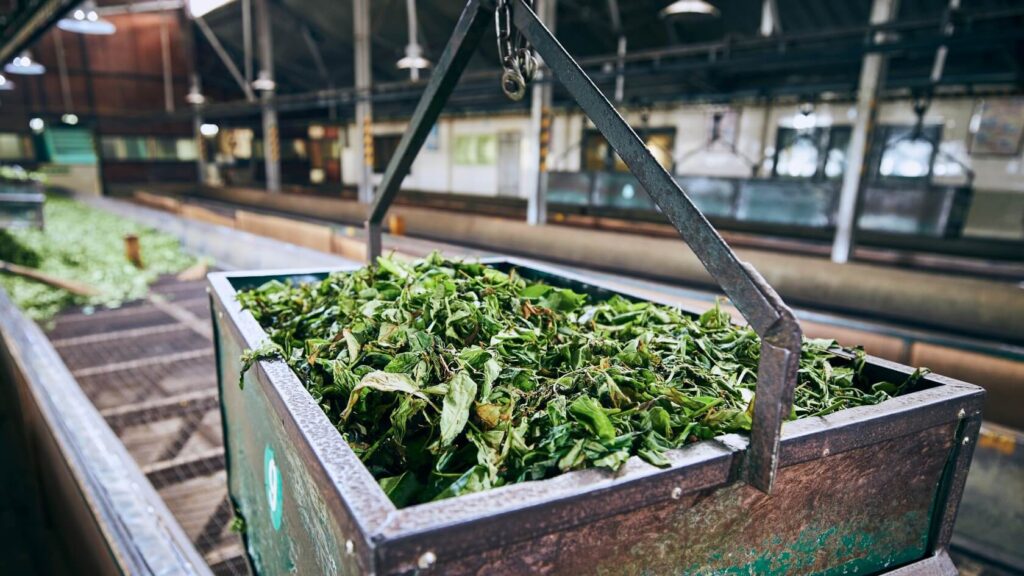
Guests don’t just drink tea; they walk the steep 60-degree slopes with the estate manager. They witness the plucking of the “two leaves and a bud.” They visit the factory to smell the withering troughs.
This transparency creates a brand loyalty that no supermarket tea bag can compete with. When a guest returns to London or New York, they don’t just buy Darjeeling tea; they buy Glenburn tea, because they have walked the soil it grew in.
Terroir Talk: The River Rungeet Influence
From a strategist’s perspective, the location is key to both the tea and the Glenburn Tea Estate Tourism appeal.
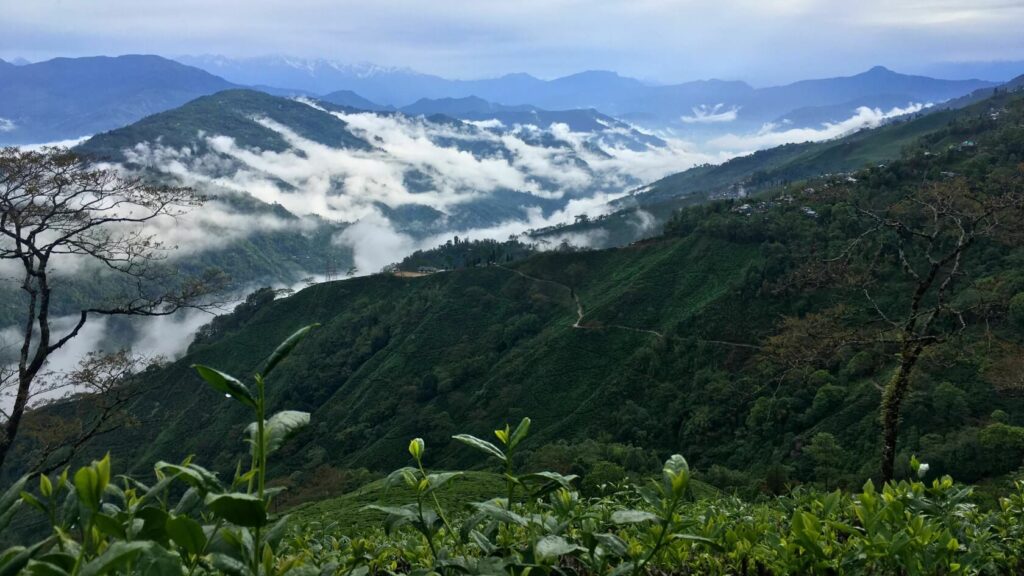
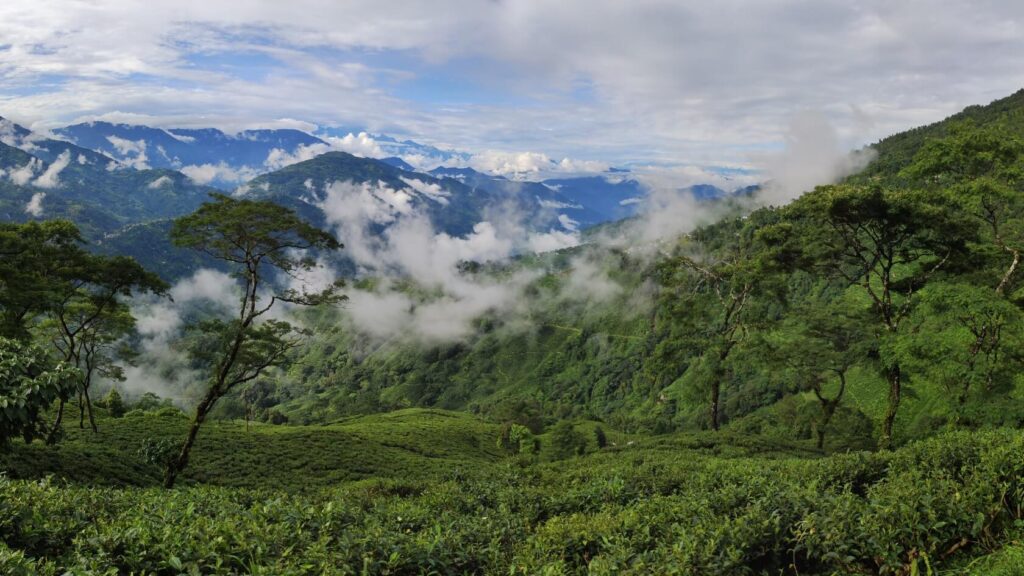
Glenburn spans an altitude from 3,000 feet down to 800 feet at the river bank. This massive drop creates a unique terroir. The lower elevation allows for a tropical climate, producing “Moonlight” white teas that are floral and delicate.
Guests can hike down to the Glenburn Lodge on the riverbank for a picnic—a signature experience that blends the rugged Himalayan landscape with white-glove service.
FAQs: Planning Your Visit
What is the best time for Glenburn Tea Estate Tourism? The best times are during the two main harvest seasons: Spring (March-April for First Flush) and Autumn (October-November for clear mountain views).
How do I reach Glenburn Tea Estate? It is about an hour and a half drive from Darjeeling town, or 3 hours from Bagdogra Airport. The descent into the valley is steep, so a 4×4 vehicle is recommended.
Is Glenburn suitable for non-tea drinkers? Absolutely. Glenburn Tea Estate Tourism includes hiking, fishing in the Rungeet, birdwatching, and cooking classes, making it a complete luxury retreat.
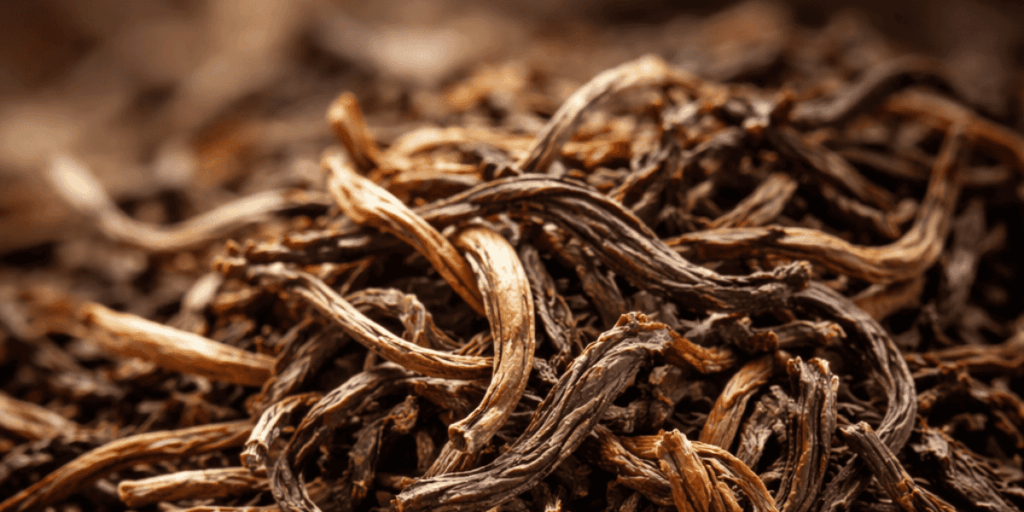
Can I buy tea directly at the estate? Yes, the estate shop offers their full range, including their signature “Moonlight” tea, often packed in handmade wooden boxes perfect for gifting.
External References for Further Reading: