The History of Darjeeling Tea Begins in a Backyard
The History of Darjeeling Tea did not begin with a corporation or a massive plantation. It began with a hobby.
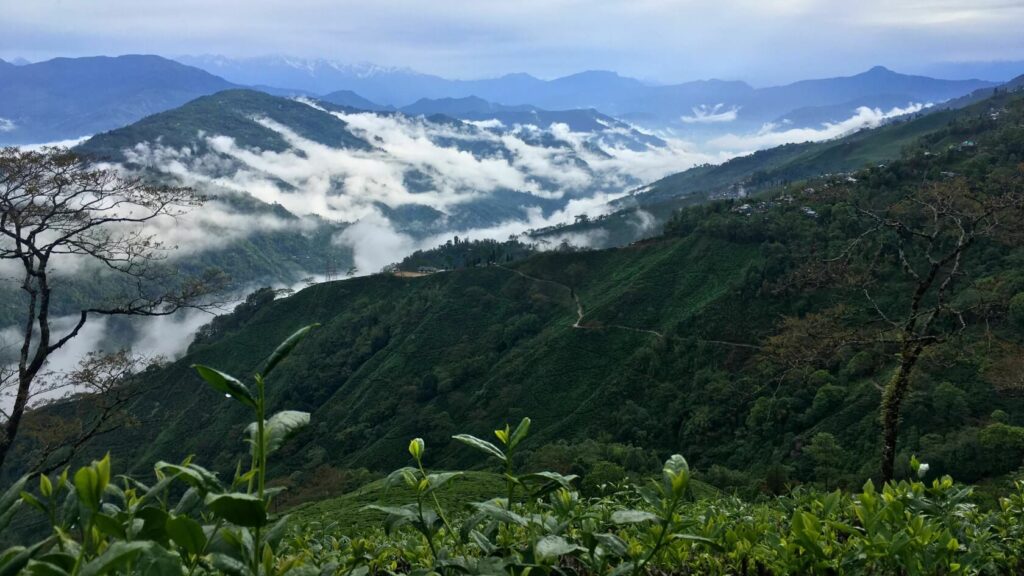
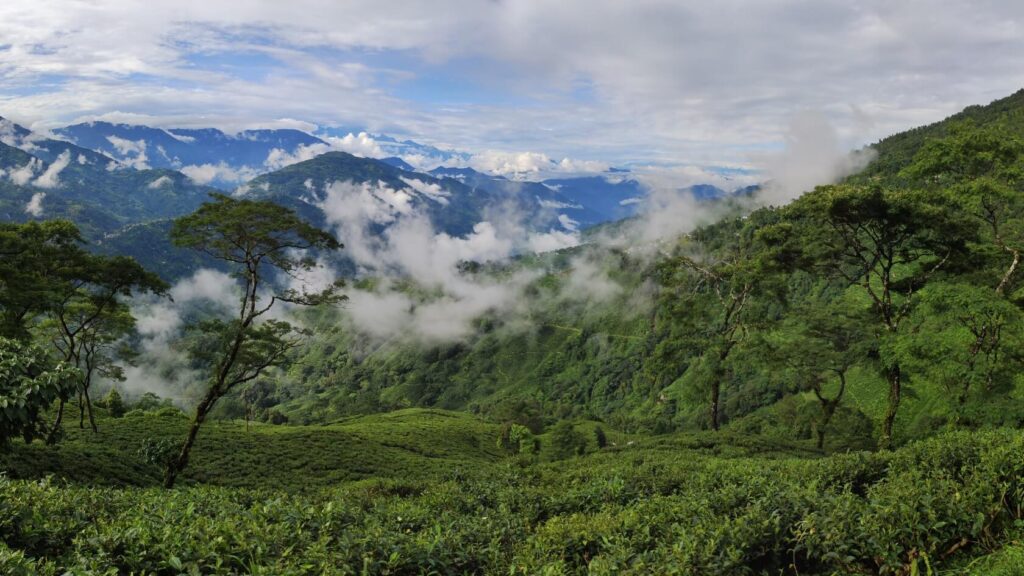
Here in Darjeeling, we often compare our heritage to the great wine regions of France. Just as Bordeaux has its founding fathers, the “Champagne of Teas” has Dr. Archibald Campbell. In 1841, while the mist rolled over the ridge just as it does today, Campbell planted a handful of Camellia sinensis seeds in his private garden, Beechwood.
He wasn’t trying to start a global industry. He was simply testing the soil. Yet, that single act triggered a botanical revolution that would eventually turn these steep 70-degree slopes into the world’s most exclusive tea vineyard.
Who Was Dr. Archibald Campbell?
To understand the History of Darjeeling Tea, you must understand the man who started it. Dr. Campbell was not a tea planter by trade; he was the first Superintendent of the sanitarium of Darjeeling.
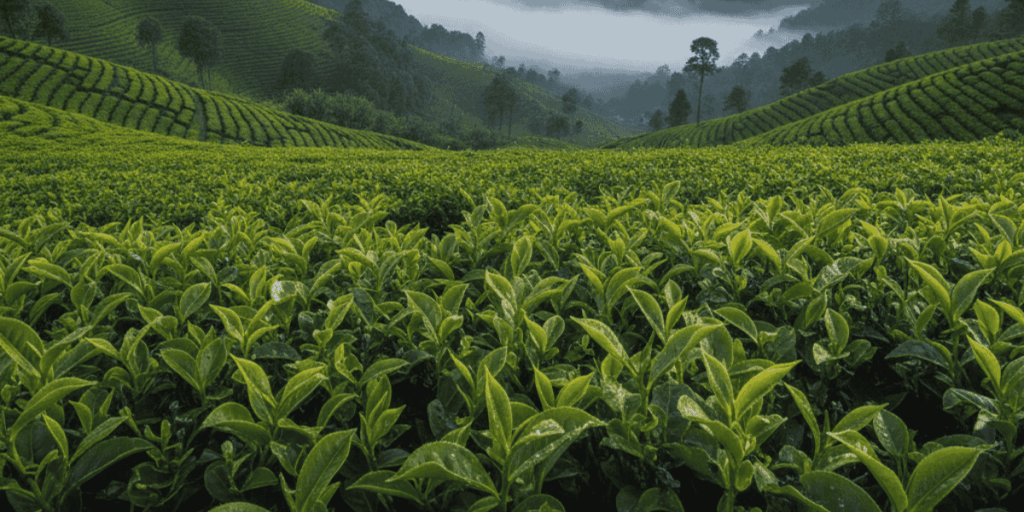
Transferred from Kathmandu, Campbell brought with him an insatiable curiosity about botany. Unlike the indigenous Camellia sinensis var. assamica found in the humid jungles of Assam, Campbell believed that the high-altitude, cool climate of this ridge was better suited for the Chinese variety, Camellia sinensis var. sinensis.
His hunch was scientifically sound. The Chinese bush is hardy, surviving the cold dormancy of our winters—a stress factor that we now know creates the concentrated flavors in our First Flush.
The Beechwood Experiment: A Grand Cru is Born
The location of this historic planting was Beechwood, a small garden located about 7,000 feet above sea level, not far from where the Planters’ Club stands today.
Campbell planted seeds brought likely from the Kumaon region (and originally from China). By 1847, the experiment was undeniable: the plants were not just surviving; they were thriving. The government officially recorded that the tea nurseries were a success.
This success at Beechwood paved the way for the first commercial gardens—Makaibari (1859) and Aloobari (1856)—to operationalize the industry. But Beechwood remains “Ground Zero.” It is the proof of concept that allows us to sip luxury orthodox tea today.
Strategic Note: We must remember that while Nepal produces Himalayan tea, the specific lineage of Darjeeling’s “China Bush” established by Campbell creates a flavor profile that is distinct from the clonal varieties often used elsewhere.
Why the Experiment Worked: Science & Terroir
Why did the History of Darjeeling Tea flourish here, specifically? As we analyze the soil and climate today, the science backs Campbell’s intuition.
- Metabolic Stress: The altitude at Beechwood (approx. 7,000 ft) forces the bush to grow slowly. This metabolic stress concentrates antioxidants and polyphenols, creating complex flavor profiles rather than simple strength.
- Soil Composition: The soil in this area is rich in organic matter with an acidic pH (4.5–5.5), ideal for tea.
- Drainage: The steep slopes ensured that while the monsoon rains were heavy, the water never stagnated around the roots—essential for the health of the tea bush.
FAQs: The Origins of Darjeeling Tea
Who planted the first tea in Darjeeling? Dr. Archibald Campbell, the civil surgeon and first Superintendent of Darjeeling, planted the first seeds in 1841.
Where was the first Darjeeling tea planted? It was planted in Dr. Campbell’s residence garden, known as Beechwood, located in the main town area.
Is Darjeeling tea Chinese or Indian? Geographically, it is 100% Indian. Botanically, the History of Darjeeling Tea is rooted in the Camellia sinensis var. sinensis plant, which originated in China but adapted to the unique terroir of the Himalayas to become something entirely new.
What is the oldest tea garden in Darjeeling? While Beechwood was the experimental plot, Makaibari Tea Estate is widely cited as one of the oldest commercial gardens, established in 1859 and still owned by the Banerjee family for generations before its recent acquisition.
External References for Further Reading: