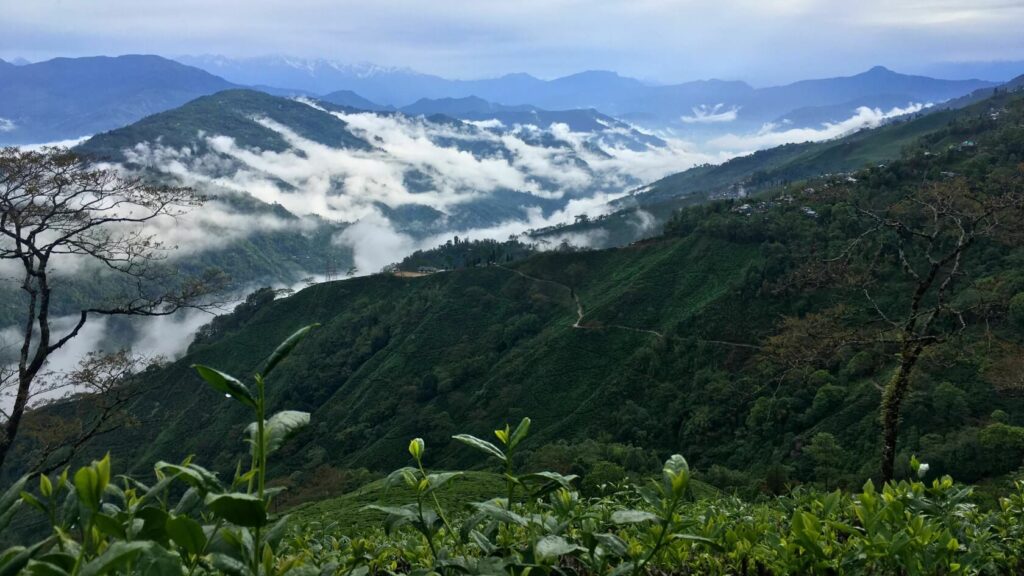
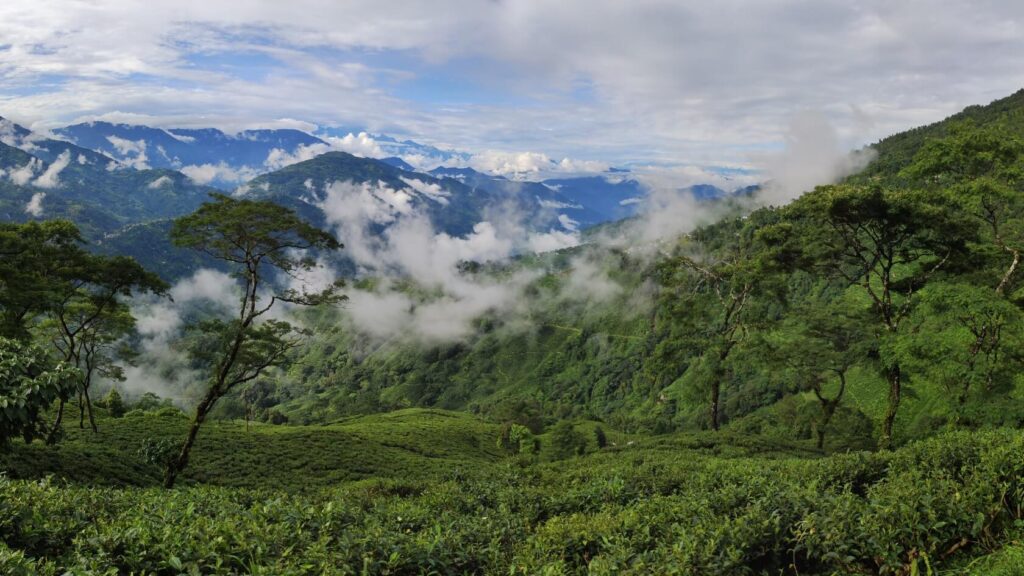
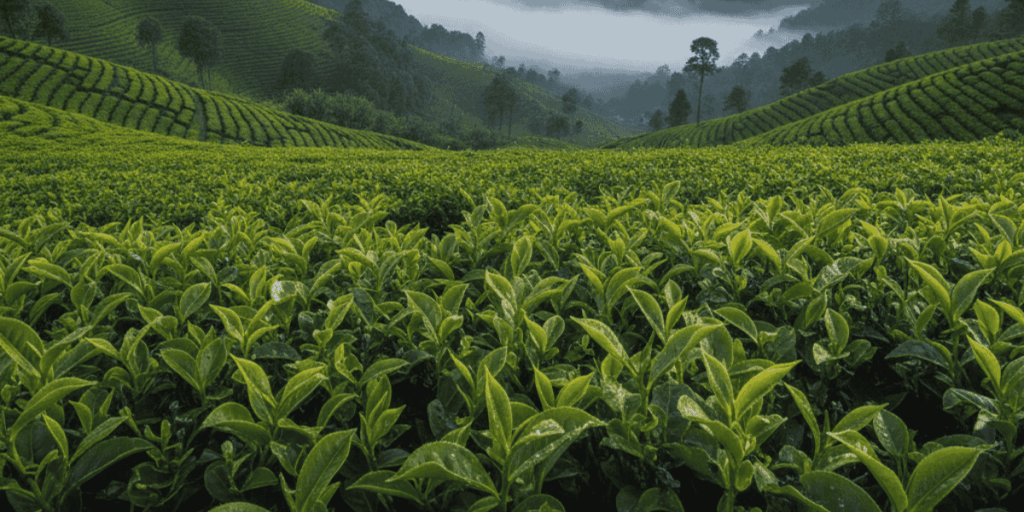
From our office here in the hills, looking out at the mist rolling over the Kanchenjunga, we often grapple with a single question from our global visitors: “Which is the best garden?”
It is the wrong question. You wouldn’t ask which is the “best” vineyard in Bordeaux; you would ask about the terroir, the vintage, and the winemaker.
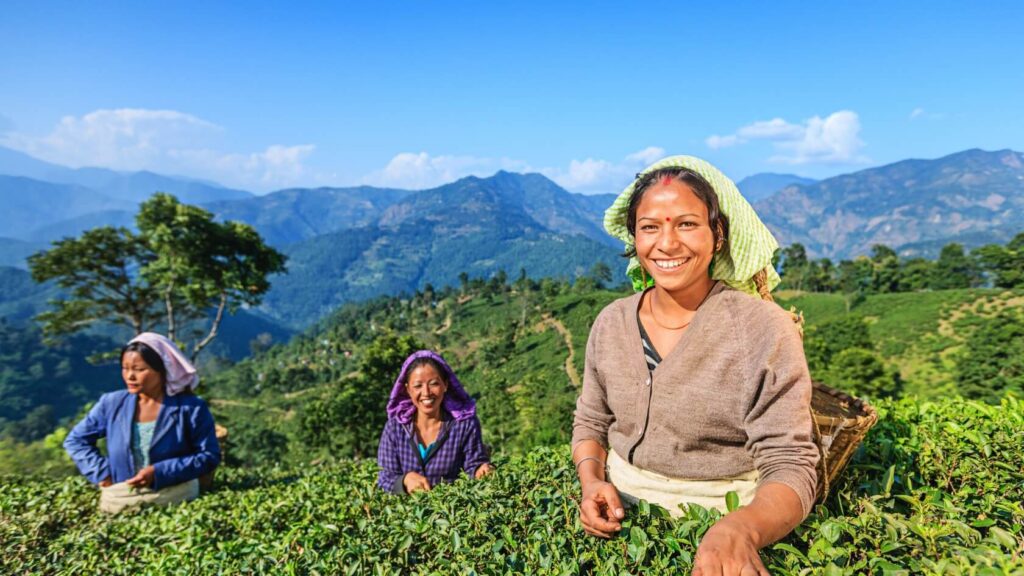
The Darjeeling district is home to 87 operational tea estates. These are not just farms; they are the “vineyards” of tea. Each garden has its own micro-climate, its own soil composition (rich in gneiss and schist), and its own “invoice” history.
To help you navigate the “Champagne of Teas,” we have compiled this definitive List of Darjeeling Tea Gardens, categorized by the seven valleys that define their flavor.
What Defines a “Darjeeling Tea Garden”?
What is a Darjeeling Tea Estate?
A Darjeeling Tea Estate is one of the 87 government-designated gardens in the Darjeeling district of West Bengal, India. To carry the official “Darjeeling” logo, the tea must be cultivated, grown, and processed entirely within the garden’s factory. These estates range in altitude from 600m to over 2,000m.
The Estate Encyclopedia: A Valley-by-Valley Guide
We categorize our hills not just by geography, but by “Taste of Place.” Here is the official roster.
1. Darjeeling East: The Heritage Hub
The “original” plantings. Located near Darjeeling town, these gardens receive the first rays of the sun, producing bright, floral First Flushes.
| Estate Name | Short Bio / Terroir Profile |
| Arya | Famous for its “Jewel” series (Ruby, Diamond) and organic specialty teas. |
| Chongtong (Sirisi) | A massive organic estate known for its distinct Chinary bushes. |
| Dooteriah | One of the high-yielding gardens producing consistent orthodox leaf. |
| Kalej Valley | Known for a darker, full-bodied cup profile. |
| Liza Hill | A boutique organic garden known for sweet, floral teas. |
| Lingia | Famed for its rose-scented tea due to specific soil characteristics. |
| Marybong | Produces a light, bright liquor; one of the scenic gardens. |
| Mim | Managed by the government (Andrew Yule); known for brisk First Flushes. |
| Orange Valley | Known for its orange orchards that intercrop with the tea bushes. |
| Pussimbing | “Place of Streams” in Lepcha; an organic garden with high biodiversity. |
| Risheehat | “Home of the Sages.” Legendary for its Muscatel Second Flush. |
| Rungmook / Cedars | Known for planting distinct clonal varieties. |
| Tumsong | Dedicated to the “Chiabari” retreat; produces fine Chinary teas. |
2. Darjeeling West: The High-Altitude Giants
Cooler temperatures and higher altitudes (up to 6,000 ft) create “nervous,” complex teas with incredible aroma.
| Estate Name | Short Bio / Terroir Profile |
| Badamtam | One of the largest and most famous estates; known for light, floral spring teas. |
| Bannockburn | One of the first gardens planted in the 1850s; classic fruit notes. |
| Barnesbeg | Known for its green teas and distinct Assam-hybrid clones. |
| Ging | One of the oldest gardens (1864); vast expanse producing consistent quality. |
| Happy Valley | The second oldest estate (1854), located right in Darjeeling town; a tourist favorite. |
| Moondakotee | “Moonlight Fort.” Known for high-elevation, light-liquoring teas. |
| Phoobsering | One of the highest gardens; famous for the P312 cultivar. |
| Puttabong (Tukvar) | The oldest commercial estate (1852); huge production and diverse cultivars. |
| Rangaroon | “The Turning of the River.” Known for high-quality artisanal batches. |
| Rungneet | Located near the Darjeeling ropeway; heritage bushes. |
| Soom | Known for its clonal plants that produce a unique fruity aroma. |
| Singtom | Ideally located for tea tourism; produces classic Chinary teas. |
| Steinthal | Established in 1852; one of the pioneer gardens. |
| North Tukvar | Produces excellent green teas and specialty clones. |
| Pandam | A garden located almost within the town limits; heritage China bushes. |
3. Kurseong Valley (North & South): The Land of Muscatel
The “White Orchid” district. The specific mist patterns here interact with the tea green fly to create the legendary Muscatel flavor.
| Estate Name | Short Bio / Terroir Profile |
| Makaibari | The world’s first biodynamic garden. Home of the record-breaking “Silver Tips Imperial”. |
| Castleton | The “Bordeaux” of Darjeeling. Famous for its “Moonlight” teas and record auction prices. |
| Ambootia | A model for biodynamic farming; known for teas with a mossy, floral freshness. |
| Margaret’s Hope | Named after the planter’s daughter; produces the industry benchmark for “Muscatel”. |
| Jungpana | The “Queen of Hills.” Accessible only by footbridge for years; distinct “masculine” muscatel. |
| Giddapahar | “Eagle’s Cliff.” A family-run gem famous for its hand-rolled AV2 teas. |
| Goomtee | Located between Jungpana and Castleton; produces unmatched China musk teas. |
| Balasun | Known for its full-bodied savory notes; open sunny slopes. |
| Monteviot | One of the smallest, oldest organic gardens in Kurseong. |
| Singell | Heritage garden known for its classic China bushes and organic status. |
| Springside | Situated near the town of Kurseong; known for sweet, chestnut-flavored teas. |
| Eden Vale | “Maharani.” Known for its picturesque slopes and robust teas. |
| Rohini | The youngest estate (re-opened recently); famous for innovative “Jethi Kopi” varietals. |
| Longview | The largest single garden; produces huge volume, often found in blends. |
| Dilaram | Renowned for high-quality clones and organic farming. |
| Jogmaya | Produces sweet, floral teas; located near Giddapahar. |
| Mahalderam | High altitude garden known for excellent clonal teas. |
| Nurbong | A heritage garden known for its rich biodiversity. |
| Sivitar | An isolated garden producing unique “Himalayan” profiles. |
| Seepoydhura | “Chamling.” Known for sturdy, well-rounded teas. |
| Tindharia | Located on the steep slopes near the famous railway; organic production. |
| Mullootar | A small garden often producing for the domestic market. |
| Mohan Majhua | Located in the lower Kurseong belt; strong liquors. |
| Narbada Majhua | Sister garden to Mohan Majhua; consistent production. |
| Oaks | Close to Sonada; known for China bush teas. |
| Ringtong | A historic garden recently revived; classic Kurseong character. |
| Selim Hill | Famous for its “Dorje” subscription model and heritage preservation. |
4. Mirik & Rungbong Valley: The Innovators
The “Golden Valley.” Known for organic farming and producing distinct, bright, and often fruity teas.
| Estate Name | Short Bio / Terroir Profile |
| Gopaldhara | One of the highest estates (up to 7,000 ft); innovators of the “Red Thunder” Oolong. |
| Thurbo | Goodricke’s flagship Mirik garden; distinct “oak wood” and floral notes. |
| Okayti | Established in 1888; known as the “only okay tea” for its perfection. |
| Singbulli | A sprawling organic garden with four manufacturing divisions. |
| Phuguri | Famous for its clonal teas and thick, amber liquor. |
| Seeyok | A certified organic garden on the Nepal border; bright, spicy teas. |
| Soureni | “Valley of Flowers.” Known for its picturesque setting and green teas. |
| Gayabaree | Known for its strong industrial presence and robust black teas. |
| Chamong | The largest organic tea producer in Darjeeling; owns multiple gardens. |
| Avongrove | Situated on the banks of the Balasun river; certified organic. |
| Dhajea | A high-elevation garden known for its windy, cool terroir. |
| Nagri Farm | Famous for its ginger and cardamom intercropping; distinct spicy notes. |
| Selimbong | “Bamboo Forest.” Consistently wins awards for its First Flush. |
| Sungma | Famous for its “Turzum” quality; high altitude, flowery teas. |
| Turzum | Often processed with Sungma; known for its “Enigma” clonal tea. |
| Marrybong | Not to be confused with Marybong; distinct micro-climate. |
| Tukdah | “Tiger Hill” area. Established in 1860; huge heritage bushes. |
| Upper Fagu | Located in the remote Fagu valley; untouched terroir. |
5. Teesta Valley: The Sun-Kissed Gardens
Lower elevations and warmer temperatures produce strong, colorful teas with “wine-like” bodies.
| Estate Name | Short Bio / Terroir Profile |
| Glenburn | The ultimate luxury tea destination; famous for “Tea Tourism” and boutique production. |
| Namring | One of the biggest estates; divided into Upper and Lower Namring; massive output. |
| Lopchu | Unique “Smoky” flavor profile (coffee-like); loved by traditionalists. |
| Teesta Valley | Named after the river; produces bright, strong cups preferred for blends. |
| Gielle | A historic garden known for its rustic, earthy flavor profile. |
| Runglee Rungliot | “Thus Far and No Further.” Legendary name, legendary tea. |
| Samebeong | A remote organic garden known for clean, sweet agricultural practices. |
| Ambiok (Hillton) | A smaller garden often experimenting with new cultivars. |
| Kumai | “Snow View.” Offers panoramic views of the hills; robust teas. |
Authenticity Check: Reading Your Invoice
With over 40 million kgs of “Darjeeling” sold globally but only 6-7 million kgs actually produced, how do you ensure your tea is from this list?
Look for the Estate Invoice Number (e.g., Castleton DJ-04).
- DJ: Stands for Darjeeling.
- 04: Indicates it was the 4th batch processed that year.
- Traceability: Authentic platforms will link this number to the Tea Board’s export documentation.
Start Your Tasting Journey
Whether you prefer the floral “Moonlight” of Castleton or the biodynamic soul of Makaibari, these 87 estates are the guardians of a 150-year-old legacy.
Ready to taste the terroir?
Explore our Direct Trade Marketplace to buy fresh First Flush 2025 directly from these gardens, bypassing the auction and supporting the “Third Wave” of tea.