Makaibari Tea Estate: The Forest That Grows Tea
Makaibari Tea Estate is not a farm. It is a forest that happens to grow tea.
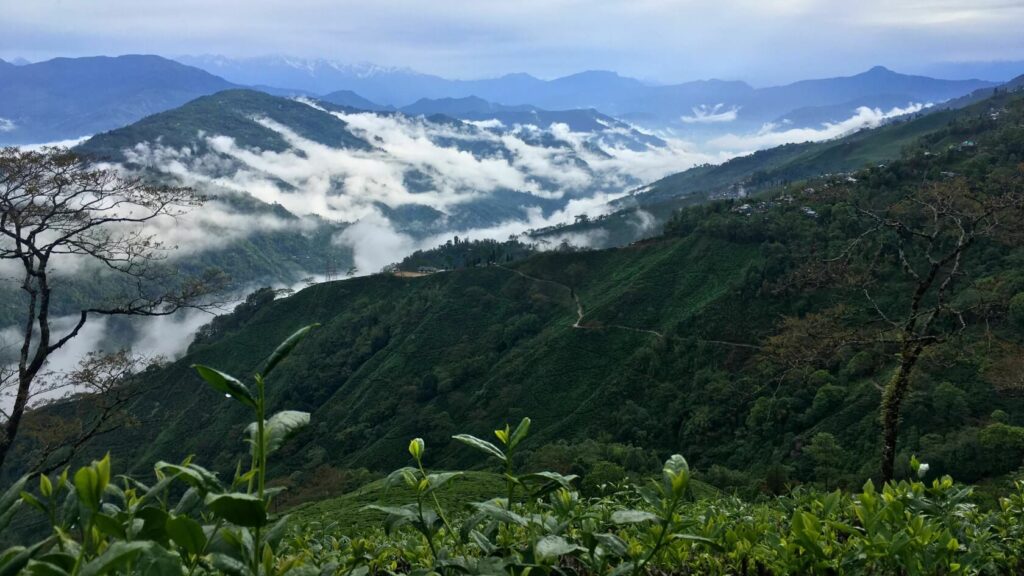
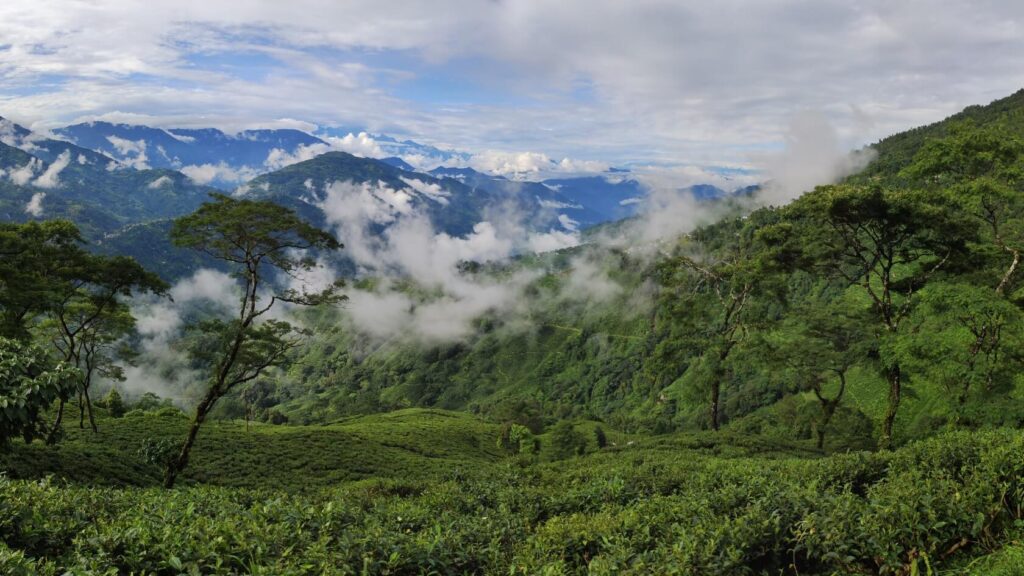
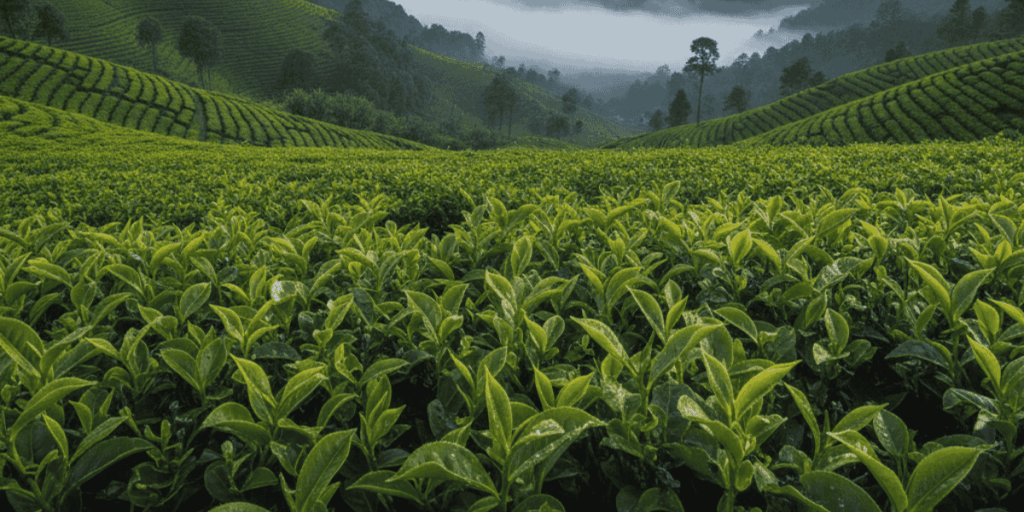
Located in the Kurseong valley, Makaibari Tea Estate stands apart from every other plantation in Darjeeling. While conventional agriculture seeks to conquer nature, Makaibari submits to it. Roughly 70% of the estate is retained as virgin subtropical rainforest, meaning the tea bushes grow under a multi-layered canopy of ancient trees.
This isn’t just for show. This “permaculture” approach creates a unique micro-climate (terroir). The falling leaves from the shade trees mulch the soil naturally, and the predators in the forest (including leopards and hornbills) keep the pests in check without a single drop of pesticide.
The History: Oldest Factory in the World
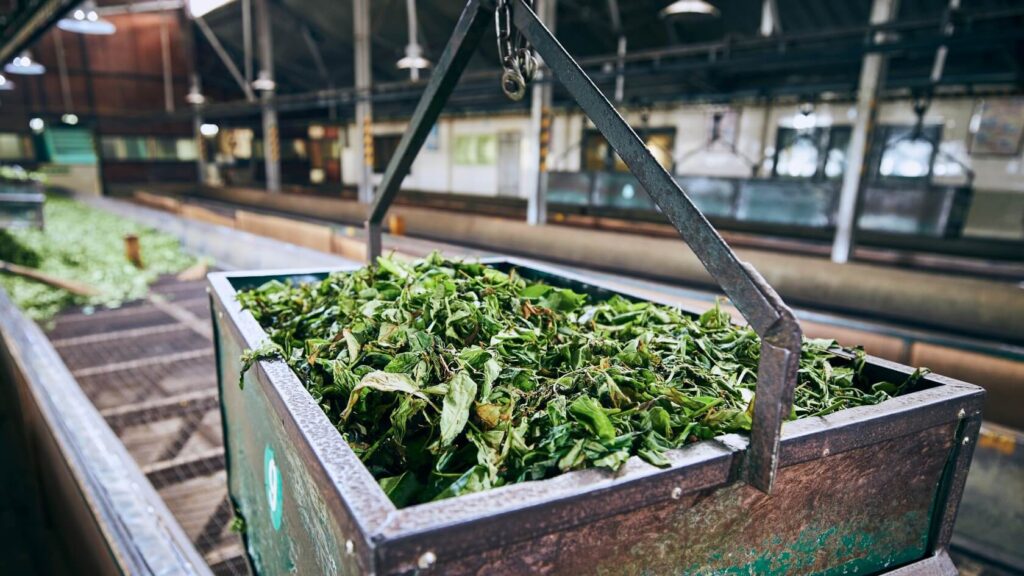
The Makaibari Tea Estate holds a record that can never be broken: it houses the oldest functioning tea factory in the world.
Established in 1859 by Captain Samler, it was later passed to the Banerjee family, who stewarded it for four generations. The legendary Swaraj “Rajah” Banerjee, who ran the estate until recently, was the visionary who converted Makaibari Tea Estate into the world’s first certified organic tea garden in 1988.
Today, under the stewardship of the Luxmi Tea Group (who also own the famous imprial estates in Assam), the legacy continues. They have maintained the delicate balance between the 150-year-old China Bushes and the surrounding jungle.
Rudolf Steiner and the Biodynamic Magic
What truly separates Makaibari Tea Estate from the rest is its adherence to Biodynamic farming.
Based on the teachings of Austrian philosopher Rudolf Steiner, biodynamics goes beyond “organic.” It views the Makaibari Tea Estate as a self-sustaining living organism.
- Cosmic Rhythms: Planting and pruning are done according to the celestial calendar (movements of the moon and stars).
- Cow Horn Manure (Preparation 500): A mixture of cow dung and quartz silica is buried in cow horns to ferment underground, then sprayed on the soil to harness cosmic energy.
Skeptics might doubt the mysticism, but they cannot argue with the flavor. The soil at Makaibari is teeming with microbial life, resulting in tea that has a distinct “muscatel” sweetness and a mineral finish that chemical farming cannot replicate.
The Silver Tips Imperial: Plucked by Moonlight
You cannot talk about Makaibari Tea Estate without mentioning its crown jewel: The Silver Tips Imperial.
This is the “Grand Cru” of Darjeeling. It famously sold for over $1,850 per kg, setting a world record. But why? It is harvested only on full moon nights.
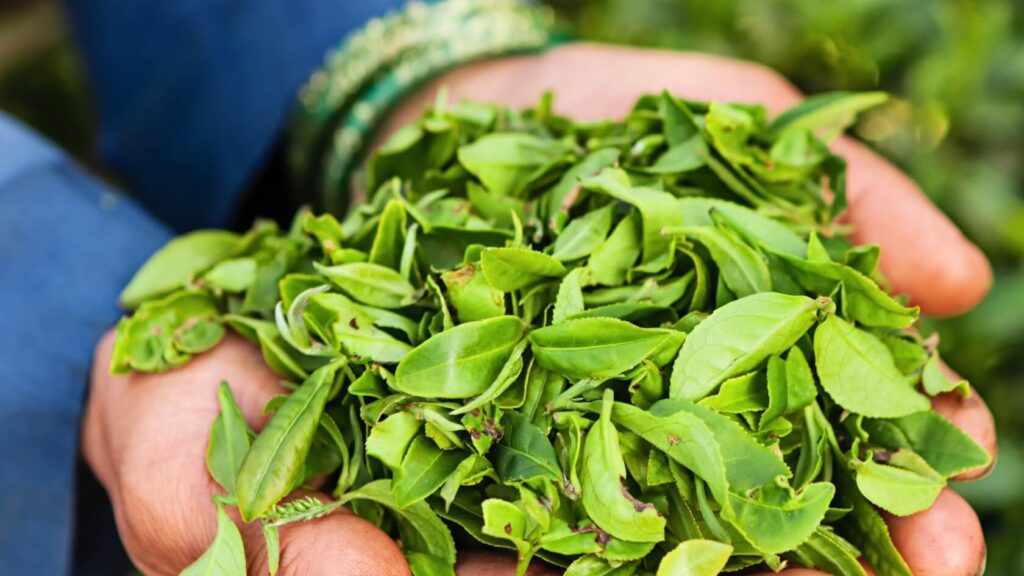
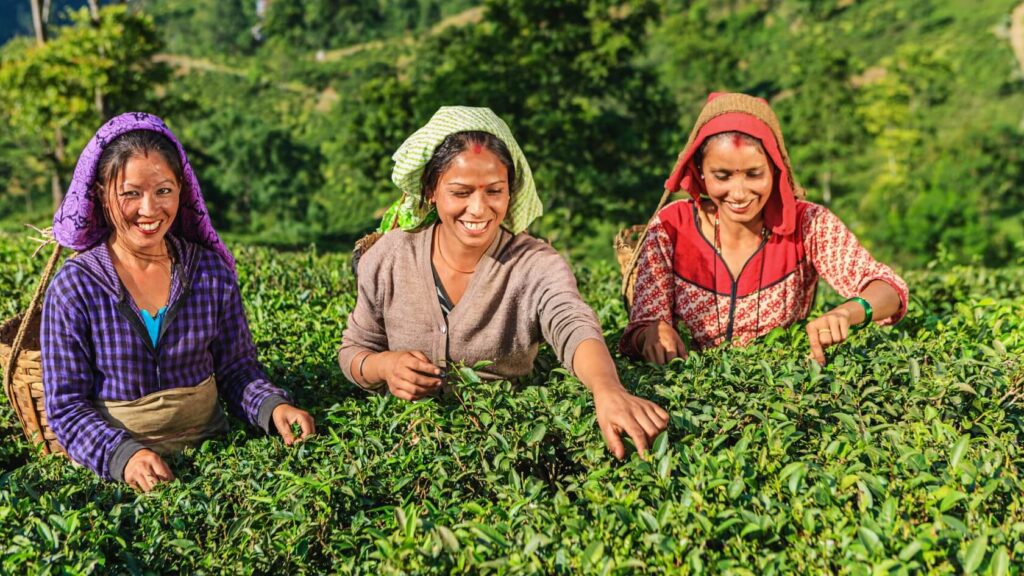
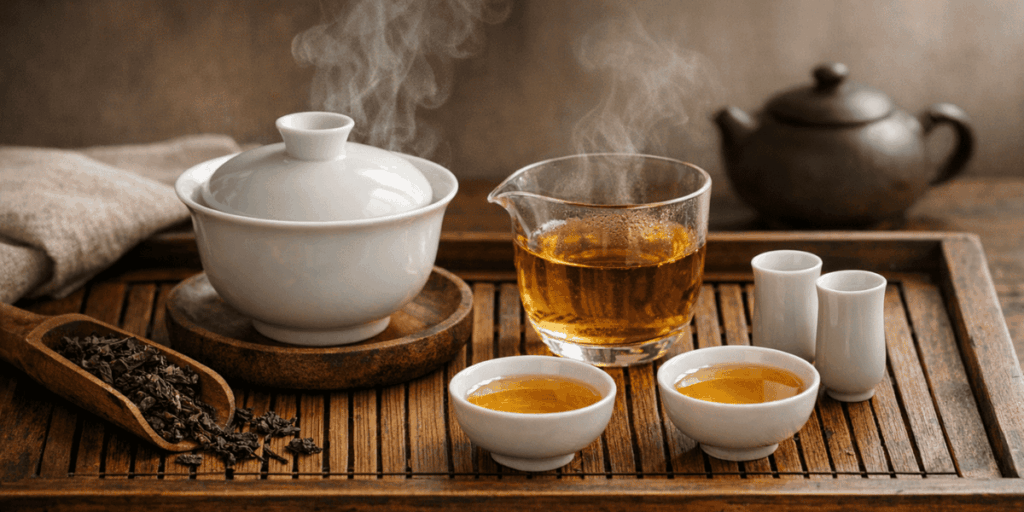
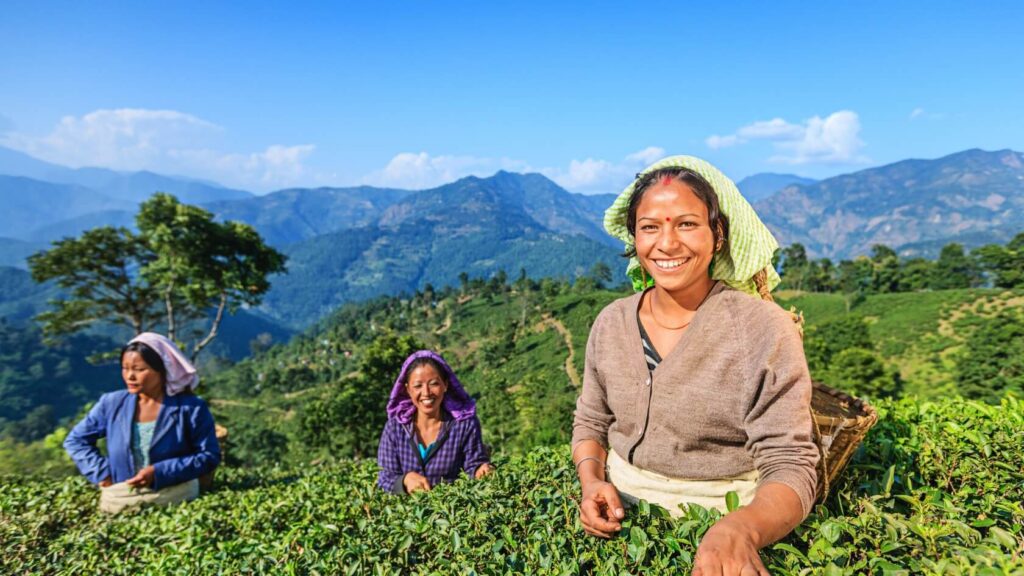
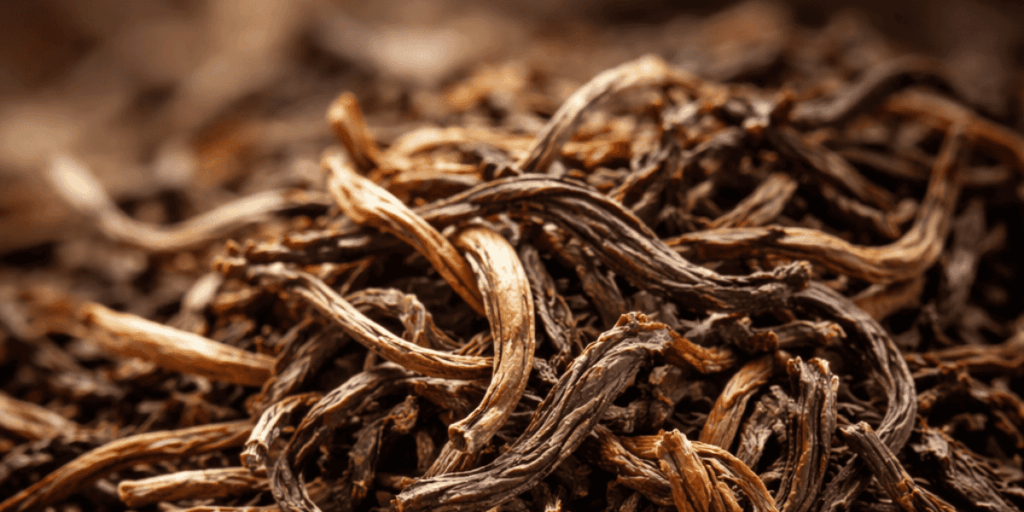
The theory is that during the full moon, the gravitational pull draws the water and nutrients up into the tender bud of the tea bush. Pluckers at Makaibari Tea Estate go out at midnight, chanting, to harvest these silver needles. The result is a tea that is almost clear in the cup, with subtle notes of mango, frangipani, and wild honey. It is the ultimate expression of the “Third Wave” tea movement—rare, traceable, and ethereal.
FAQs: Visiting and Tasting
Where is Makaibari Tea Estate located? Makaibari Tea Estate is located in Kurseong, Darjeeling District, right off the Hill Cart Road. It is easily accessible and offers one of the best homestay programs in the region.
Is Makaibari tea organic? Yes, Makaibari Tea Estate was the first garden to be certified organic in 1988 and is also Demeter certified for biodynamic practice.
What is the best tea from Makaibari? While the Silver Tips Imperial is the most famous, their “Springtime Bloom” (First Flush) and “Summer Solstice” (Second Flush) are exceptional everyday luxuries.
Can I stay at Makaibari? Yes, the “Makaibari Homestay” initiative allows tourists to stay with the tea pluckers’ families in the village, offering a truly immersive experience.
External References for Further Reading: