Tea Harvest Calendar: Timing Your Purchase
The Tea Harvest Calendar is the most important tool for any connoisseur.
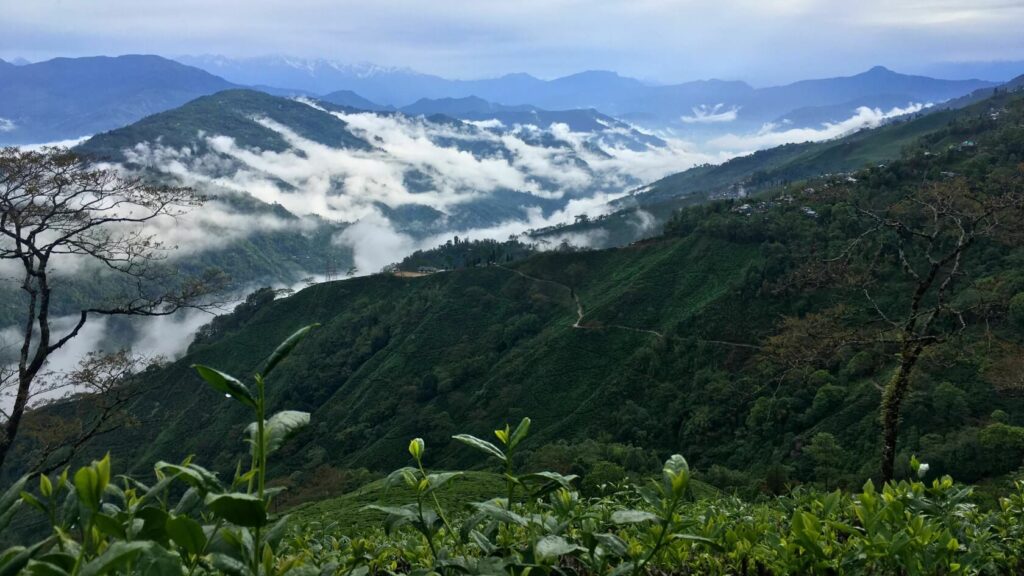
Unlike supermarket tea bags which taste the same year-round, luxury Darjeeling tea is a living agricultural product. It changes week by week. To secure the legendary “Grand Cru” lots, you cannot just click “buy”—you must anticipate.
This Tea Harvest Calendar is designed to help you navigate the complex seasonality of the Himalayas. By following this schedule, you ensure that you are buying the tea exactly when it is at its peak freshness, rather than purchasing “stale” inventory left over from the previous season.
March-April: The “Champagne” Rush
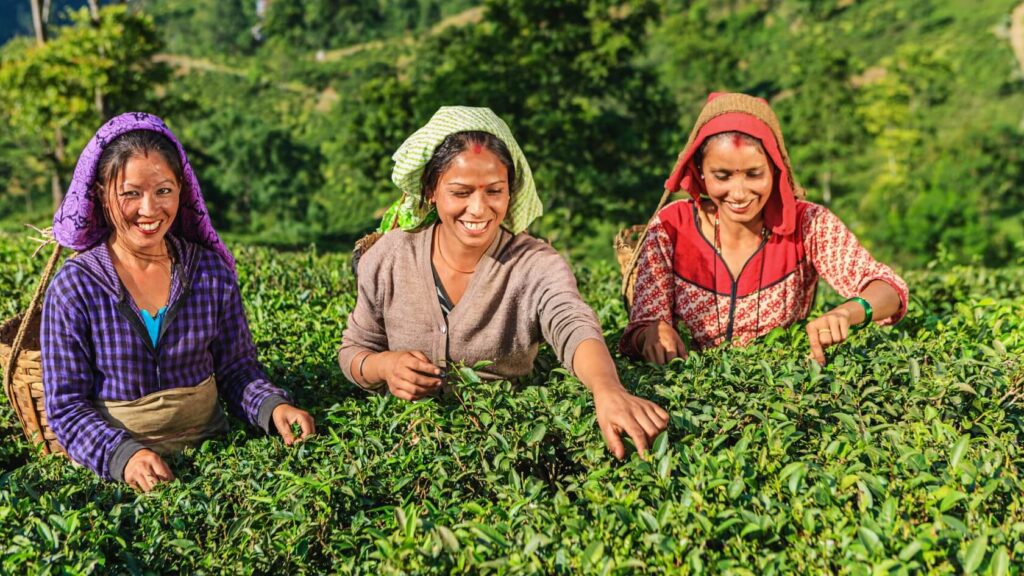
The Tea Harvest Calendar officially begins in mid-March.
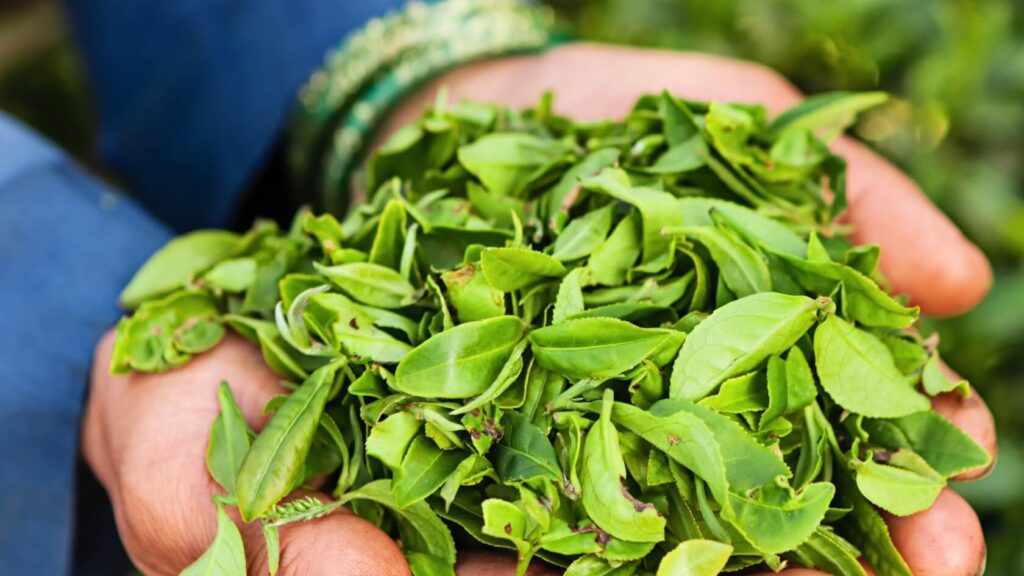
After the long winter dormancy, the bushes awake. This is the First Flush.
- What to Buy: Look for invoices marked DJ-1 to DJ-10. These are the earliest “Springtime Blooms.”
- Flavor Profile: Floral, grassy, and nervous.
- Strategy: Speed is key. The best First Flush teas (like those from Castleton or Makaibari) sell out within weeks of production. If you are reading the Tea Harvest Calendar in April, you should be buying immediately.
May-June: The “Muscatel” Peak
As the temperatures rise, the Tea Harvest Calendar moves into its most sophisticated phase: the Second Flush.
This is the season of the Green Leafhopper. The heat and the insects create the famous “Muscatel” flavor.
- What to Buy: Look for teas described as “bug-bitten,” “chocolaty,” or “fruity.”
- Flavor Profile: Full-bodied, wine-like, with notes of dried fruit and honey.
- Strategy: Patience. The best Muscatels often appear in June. Do not rush to buy the early May teas if you want that deep, jammy flavor.
July-September: The Strong Rains
The Tea Harvest Calendar enters a quiet period for luxury collectors, but a busy one for locals.
This is the Monsoon Flush. The heavy rains make the tea grow fast, diluting the complex flavors but increasing the strength.
- What to Buy: Strong breakfast blends or base teas for Masala Chai.
- Flavor Profile: Earthy, dark, and highly astringent.
- Strategy: This is the most affordable time on the Tea Harvest Calendar. Stock up on these teas for your daily morning brew with milk.
October-November: The Autumn Cream
Often the most underrated season on the Tea Harvest Calendar, the Autumn Flush offers a final burst of magic before winter.
- What to Buy: “Autumnals.”
- Flavor Profile: Smooth, creamy, and woody. It lacks the astringency of the First Flush, making it very easy to drink.
- Strategy: These teas have excellent shelf life. If you are buying gifts for Christmas, rely on the Autumn section of the Tea Harvest Calendar.
December-February: The Great Sleep
The Tea Harvest Calendar ends with silence.
From December to February, the tea bushes are dormant. There is no harvesting.
- Activity: Pruning and soil rehabilitation.
- Strategy: Do not buy “fresh” tea now. Anything labeled “fresh” in January is likely leftover Monsoon tea. Use this time to pre-order or subscribe to the coming spring harvest.
External References for Further Reading: