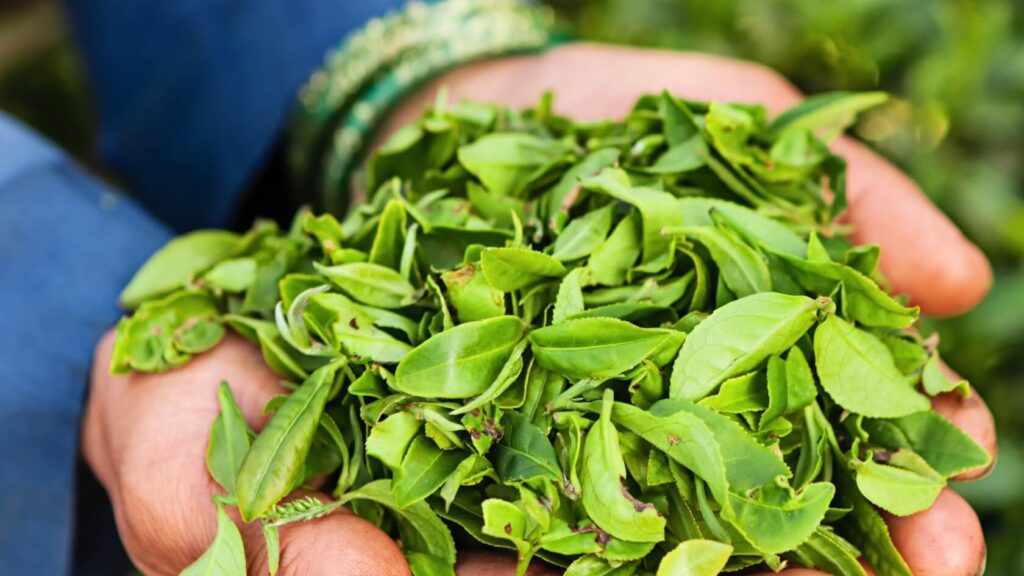
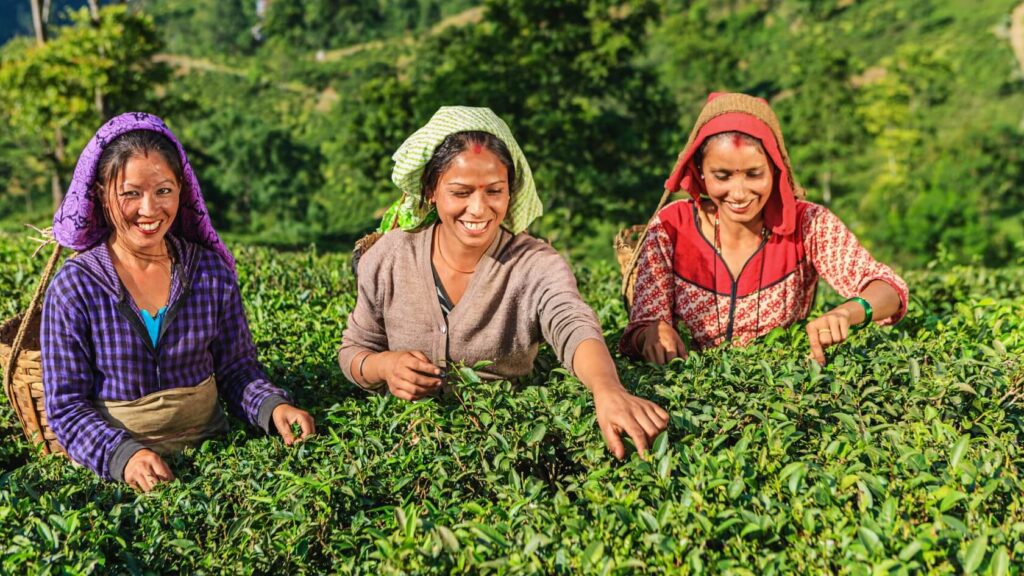
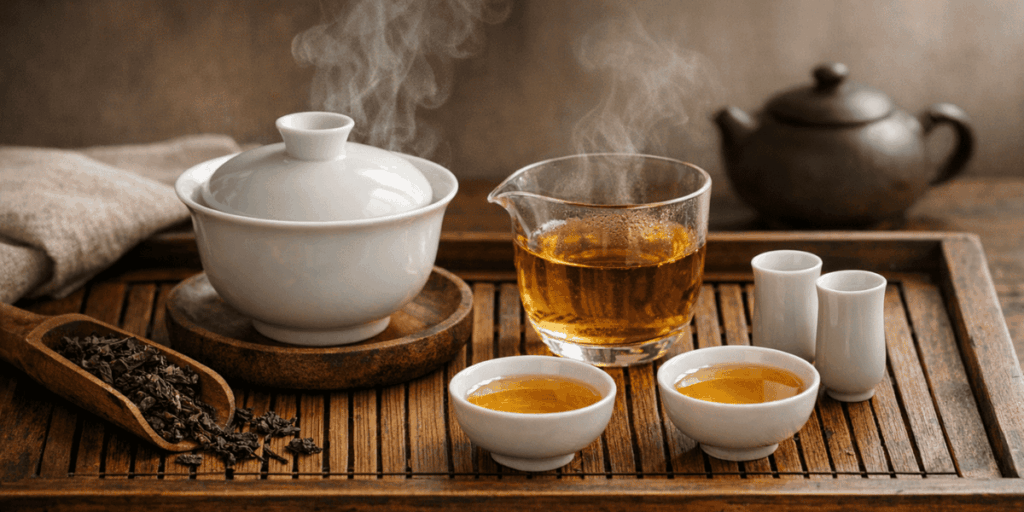
A flight of tea cups showing the different Types of Darjeeling Tea, ranging from clear White tea to rich Black tea.
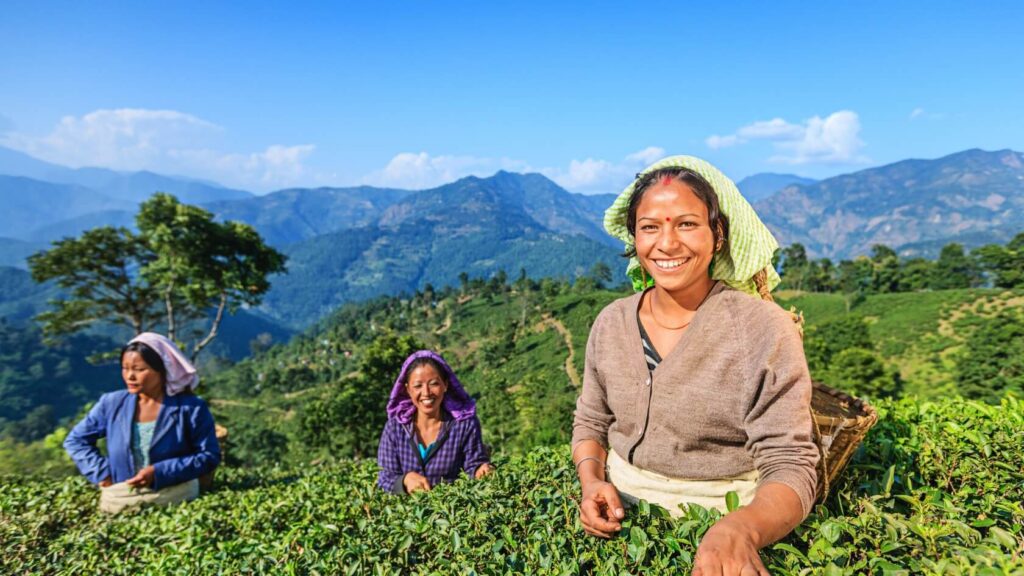
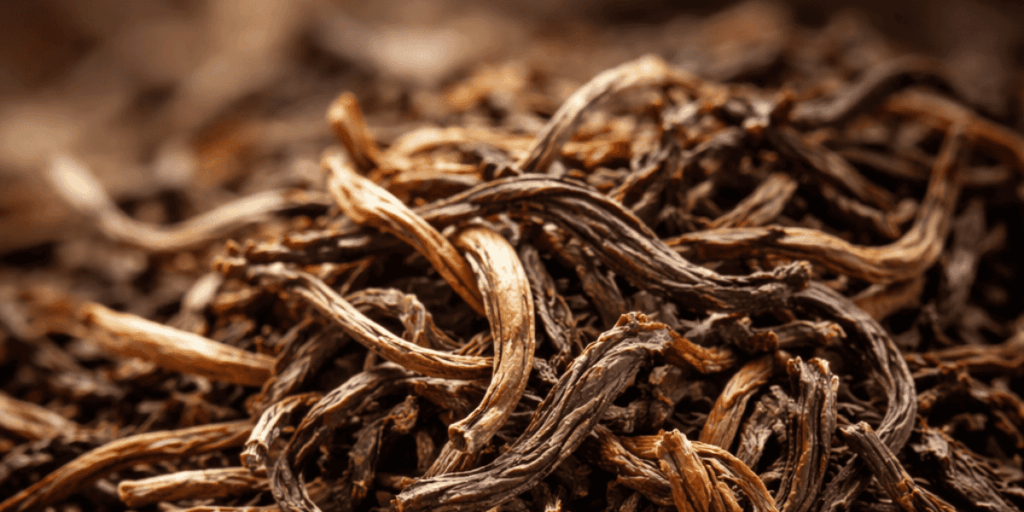
For 150 years, the world has looked to us for one thing: Black Tea. The British planted these bushes to break the Chinese monopoly, and “Darjeeling Black” became a global icon.
But if you visit the factories today—from Makaibari to Glenburn—you will smell something different. The scent of steamed greens and wildflowers is mixing with the traditional oxidized fruit.
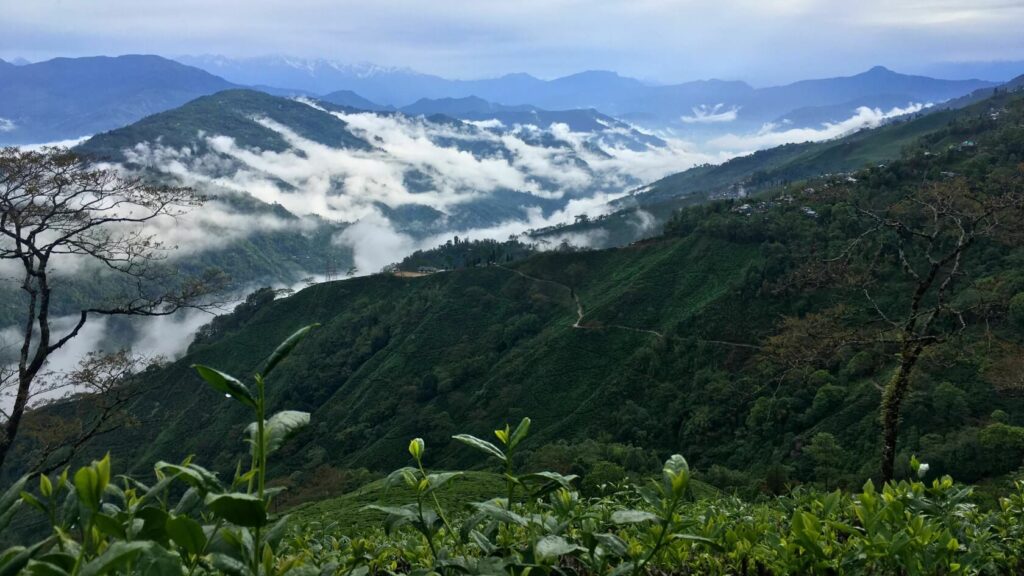
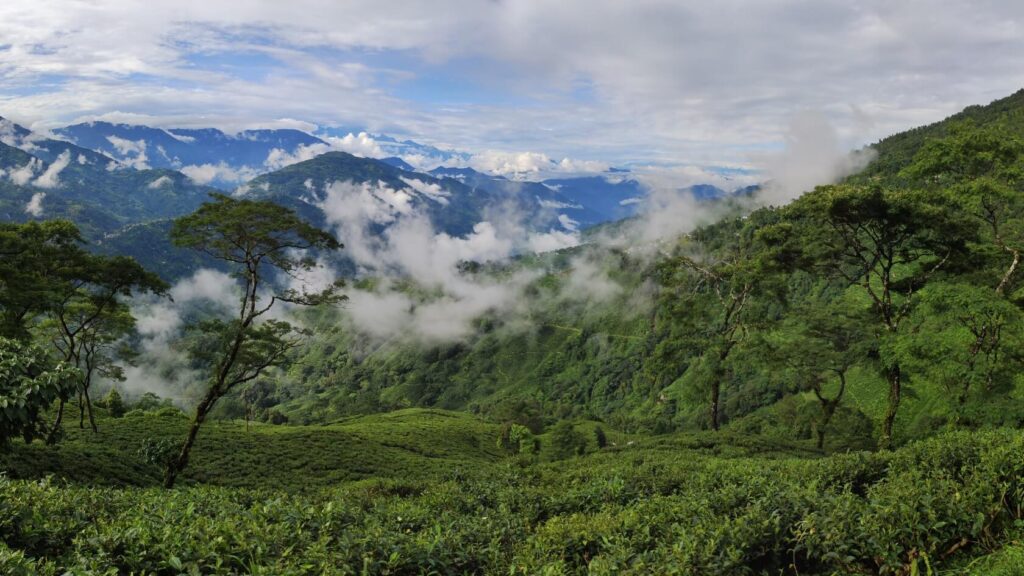
We are witnessing a renaissance. The Types of Darjeeling Tea are expanding. We are no longer just a “Black Tea” destination; we are a terroir of infinite possibility.
Here is the definitive guide to the new spectrum of Darjeeling.
What Are the Main Types of Darjeeling Tea?
The four main types of Darjeeling Tea are Black, White, Green, and Oolong. While they all come from the same Camellia sinensis bush, the difference lies in the processing: Black is fully oxidized, Oolong is semi-oxidized, Green is unoxidized, and White is minimally processed (dried).
1. Darjeeling White Tea: The “Silver Soul”
This is the most delicate and expensive tea we produce. It is often called Silver Tips or Needle Tea.
- The Process: It is the least processed tea. We pluck the bud (and sometimes the top leaf) and simply let it wither and dry in the sun or controlled air. There is no rolling, no firing, no oxidation.
- The Taste: It tastes of the plant’s soul. Expect notes of raw honey, wildflowers, and fresh melon. It is ethereal and sweet.
- The Cost: Because it consists mainly of buds, the yield is tiny. It takes thousands of hand-picked buds to make one kilogram.
Local Insight: “When we make White Tea at Arya Estate, we treat the leaf like a sleeping baby. We don’t wake it up with heat or rolling. We just let it dry.”
2. Darjeeling Green Tea: The High-Altitude Freshness
Unlike the grassy, marine-like Green Teas of Japan (Sencha), our Green Tea is floral and nutty.
- The Process: To prevent oxidation (browning), we heat the leaves immediately after plucking. While Japan uses steam, we often use dry heat (panning). This kills the enzyme polyphenol oxidase.
- The Taste: It lacks the heavy “umami” of Japanese tea. Instead, you get a clean, crisp profile with notes of toasted hazelnut and dandelion greens.
- The Benefit: High retention of catechins (antioxidants) makes it a health powerhouse.
3. Darjeeling Oolong: The “Bridge”
This is the rising star. Darjeeling Oolong is a “semi-oxidized” tea, sitting between Green and Black.
- The Process: We let the leaves wither and oxidize slightly (between 10% and 50%), then we stop the process with high heat.
- The Cultivar: The best Oolongs come from Clonal bushes (specifically the AV2 clone).
- The Taste: This is the most aromatic of all Types of Darjeeling Tea. It explodes with fruit—peaches, apricots, and orchids. It has the body of a black tea but the fragrance of a flower garden.
Comparison: Which Type is For You?
To help you choose, here is a breakdown from our tasting room:
| Type | Oxidation | Flavor Profile | Best Time to Drink |
| White | < 5% | Honey, Melon, Delicate | Late Night (Low Caffeine) |
| Green | 0% | Toasted Nut, Floral, Crisp | Morning (Refreshment) |
| Oolong | 10–60% | Peach, Lilac, Fruity | Afternoon (Indulgence) |
| Black | 100% | Muscatel, Malt, Citrus | Breakfast / Tea Time |
Why the Shift?
Why are estates diversifying? It comes down to Climate and Market.
The younger generation of tea drinkers (the “Third Wave”) wants variety. They want the specific terroir experience. Additionally, White and Oolong teas allow us to highlight the unique “metabolic stress” of our high-altitude bushes in ways that heavy black tea processing sometimes masks.
Expand Your Palate
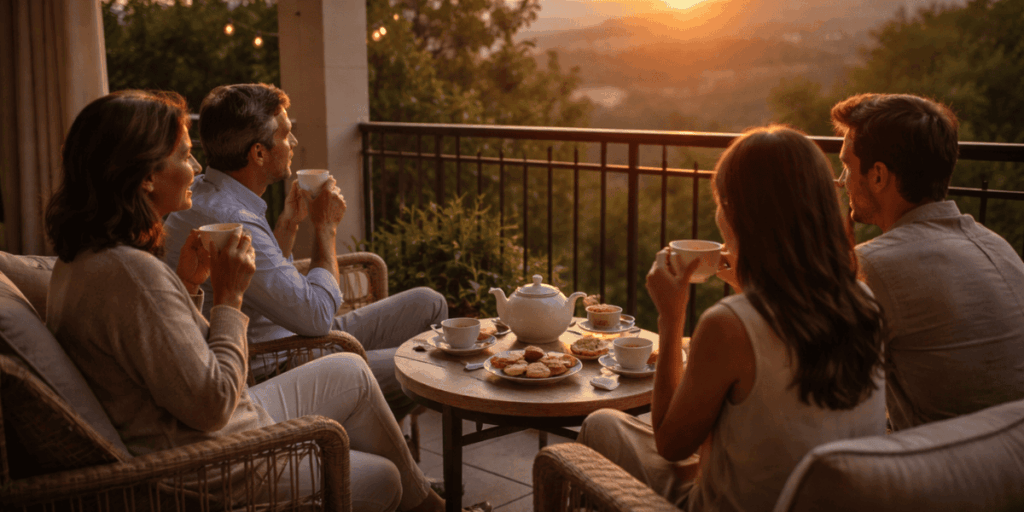
The next time you browse a tea menu, look beyond the “Black” section. The new Types of Darjeeling Tea offer a journey into the delicate nuances of the Himalayas. Whether it is the meditative calm of a Silver Tip or the fruity joy of an Oolong, there is a tea here for every mood.
FAQs
Q: Which type of Darjeeling tea has the most caffeine?
A: Generally, Black Tea and buds (White Tea) have higher caffeine. However, because White Tea is brewed at lower temperatures and for shorter times, the actual caffeine in your cup is often lower.
Q: Can I put milk in Darjeeling Green or White tea?
A: No. Milk will overpower the delicate floral and nutty notes. These teas are strictly meant to be consumed plain to appreciate their subtle flavor profiles.
Q: Is Darjeeling Oolong the same as Chinese Oolong?
A: No. Darjeeling Oolong is lighter and more floral, often lacking the roasted or “toasty” notes of traditional Chinese Wuyi Oolongs. It is closer to the “Baozhong” style of Taiwan—green and fragrant.